CM Samrat Choudhary Hails CWG 2030 Flag Handover to India
Synopsis
Bihar Chief Minister Samrat Choudhary hailed the formal handover of the Commonwealth Games flag to India on August 3, 2026, calling it a moment of historic pride and affirming India's commitment to hosting a world-class CWG 2030 in Ahmedabad under PM Modi's leadership.
Key Takeaways
India formally received the Commonwealth Games flag on August 3, 2026 , triggering the official host-nation countdown for CWG 2030 .
Ahmedabad is the designated host city — only the second Indian city to host the Commonwealth Games after New Delhi in 2010 .
Bihar CM Samrat Choudhary linked the hosting mandate to PM Modi's Viksit Bharat vision and India's world-class sports infrastructure drive.
India has been building toward major international event hosting, with Ahmedabad's Narendra Modi Stadium — the world's largest cricket venue — anchoring its infrastructure credentials.
The Games are seen as a live test of India's organisational capacity ahead of larger bids, including a potential Olympics 2036 hosting push.
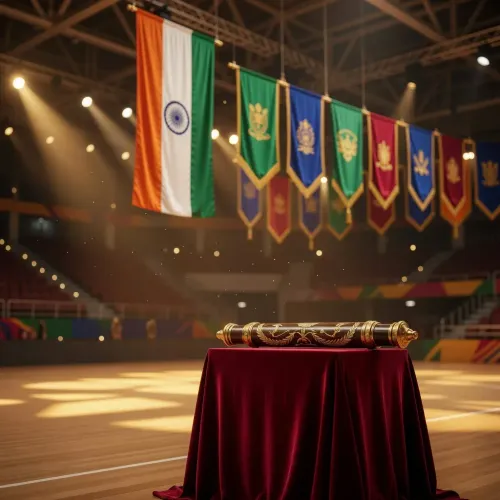
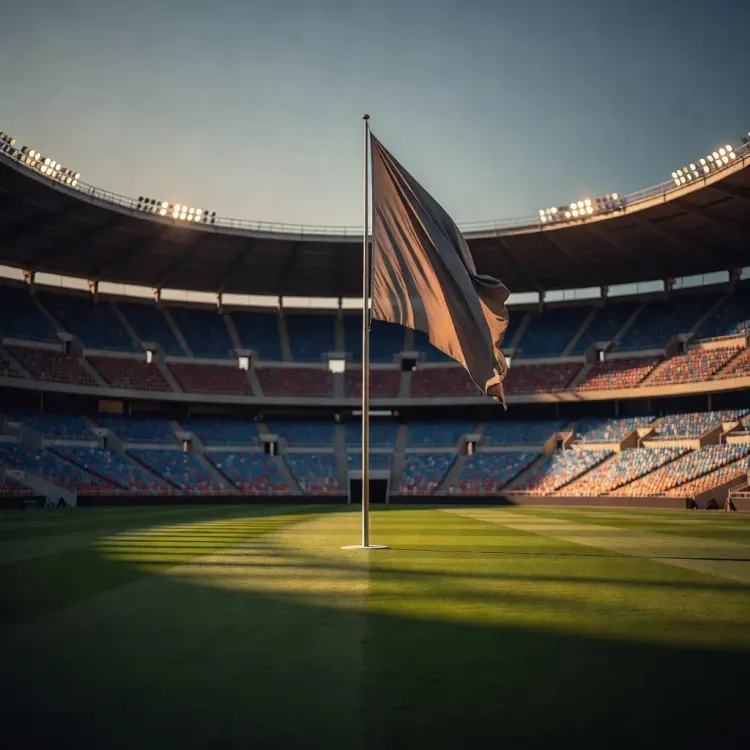
A flag, a city, and a declaration: India formally received the Commonwealth Games flag on Monday, August 3, 2026, marking the official beginning of Ahmedabad's journey as host of the Commonwealth Games 2030 — and Bihar Chief Minister Samrat Choudhary was among the first to frame its significance for the nation.
Writing in Hindi, Choudhary called it 'ऐतिहासिक गौरव का क्षण' — 'a moment of historic pride for India' — and tied the hosting mandate directly to the vision of Prime Minister Narendra Modi. 'Under the leadership of honourable Prime Minister Shri Narendra Modi,' he wrote, 'India is fully committed to the successful organisation of #CWG2030 with world-class sports infrastructure, excellent organisational capability, and the resolve of a Viksit Bharat [Developed India].'
Ahmedabad Steps onto the World Stage
Ahmedabad is no stranger to mega-scale ambition. Home to the Narendra Modi Stadium — the world's largest cricket venue by capacity — the city has long been positioned as India's next great stage for international sport. Winning the Commonwealth Games 2030 hosting rights places it in a select club: only New Delhi in 2010 has previously staged the Games on Indian soil.
That 2010 edition was India's debut as Commonwealth Games host, and despite a turbulent build-up, the event delivered a template the country has been refining ever since — through the 2023 Asian Games preparations and a sustained central government push to upgrade sports venues and training facilities across states.
Soft Power, Hard Infrastructure
The flag handover is more than ceremony. It triggers a multi-year infrastructure and logistics clock for Gujarat and the central government. India's bid to host marquee global events — from FIFA World Cup co-hosting discussions to the Olympics 2036 aspiration — rests on demonstrating exactly the kind of organisational excellence Choudhary invoked. CWG 2030 becomes a live proof-of-concept for that larger ambition.
For Indian athletes, the stakes are equally concrete: a home Games is historically a catalyst for investment in coaching, facilities, and grassroots talent pipelines — the kind of systemic lift that turns medal tallies upward for years after the closing ceremony.
The Commonwealth Games Federation's confirmation of venue specifics and the detailed infrastructure rollout timeline will be the next hard markers to watch. But the flag is in Indian hands. The countdown has begun.
Point of View
CWG 2030 is a rung on a deliberate ladder: New Delhi 2010 proved India could host; Ahmedabad 2030 is meant to prove it can host flawlessly, building the credibility needed for an Olympics 2036 bid. The fact that a Bihar Chief Minister — not a Gujarat counterpart — was among the first to amplify the moment signals how the BJP uses national sporting wins as a pan-party cohesion tool, not merely a regional one. The real political test arrives when infrastructure timelines, budgets, and athlete outcomes are measured against today's confident declarations.
NationPress
17 Sept 2026
Frequently Asked Questions
Where will Commonwealth Games 2030 be held?
Ahmedabad, Gujarat is the designated host city for the Commonwealth Games 2030 , making it only the second Indian city to host the event after New Delhi in 2010.
When did India receive the Commonwealth Games 2030 flag?
India formally received the Commonwealth Games flag on August 3, 2026 , marking the official start of the host-nation period for CWG 2030.
Has India hosted the Commonwealth Games before?
Yes. New Delhi hosted the 2010 Commonwealth Games — India's first and, until now, only time staging the event.
What did Bihar CM Samrat Choudhary say about CWG 2030?
Samrat Choudhary called the flag handover 'a moment of historic pride for India' and said the country is fully committed to a successful CWG 2030 under PM Narendra Modi's leadership, citing world-class infrastructure and the Viksit Bharat vision.
Why is Ahmedabad chosen to host Commonwealth Games 2030?
Ahmedabad offers major sports infrastructure, including the Narendra Modi Stadium — the world's largest cricket venue by capacity — and aligns with India's broader strategy of hosting marquee international sporting events.