Successful Conclusion of First India-Israel FTA Negotiation Round
Synopsis
The recent negotiations for the India-Israel Free Trade Agreement concluded successfully, highlighting both nations' commitment to enhancing trade relations. This significant step aims to unlock potential in various sectors, paving the way for a prosperous partnership.
Key Takeaways
The India-Israel FTA negotiations have concluded successfully.
Discussions covered trade in goods, services, and various regulatory measures.
Next round of negotiations scheduled for May 2026 in Israel.
Bilateral trade was approximately USD 3.62 billion in FY 2024–25.
Significant potential exists in multiple sectors for both countries.
New Delhi, Feb 26 (NationPress) The inaugural round of discussions for the India–Israel Free Trade Agreement (FTA), taking place from February 23 to 26 in the capital city, wrapped up successfully on Thursday.
Throughout the four-day discussions, representatives from both nations explored various topics, including trade in goods and services, rules of origin, sanitary and phytosanitary measures, technical barriers to trade, customs procedures, intellectual property rights, digital trade, and several other crucial chapters.
Engagements were conducted in a constructive and proactive spirit, with both parties reiterating their goal of crafting a comprehensive, balanced, and mutually advantageous agreement, as stated in an official release.
Additionally, both sides consented to maintain virtual inter-sessional interactions, with the next face-to-face negotiation session scheduled for May 2026 in Israel.
The Terms of Reference (ToR) were established in November 2025, creating a structured basis for discussions aimed at enhancing trade and economic collaboration.
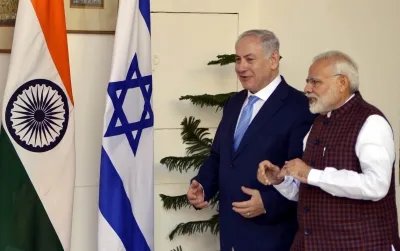
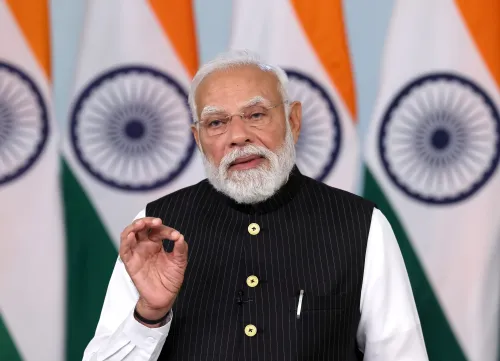
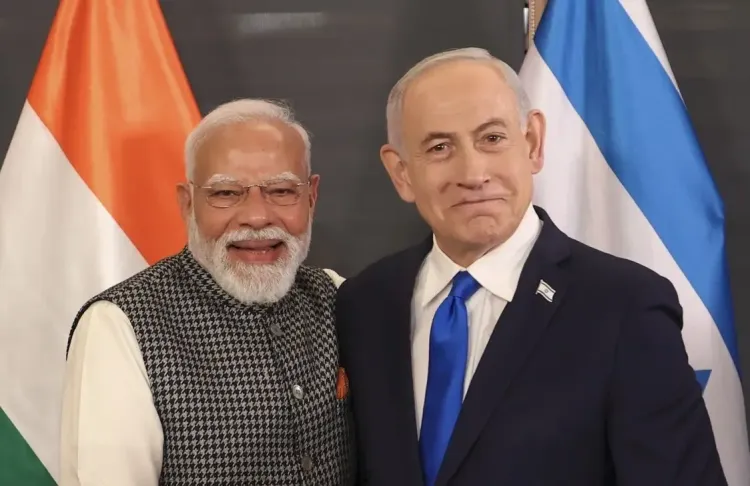
Currently on a two-day state visit to Israel, Prime Minister Narendra Modi addressed a special plenary session of the Knesset in Jerusalem on Wednesday, urging for the swift finalization of a bold Free Trade Agreement to tap into the unexploited trade potential between the two nations.
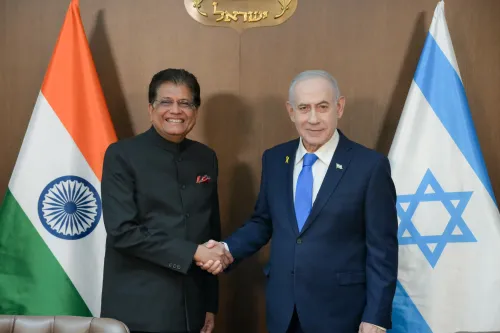
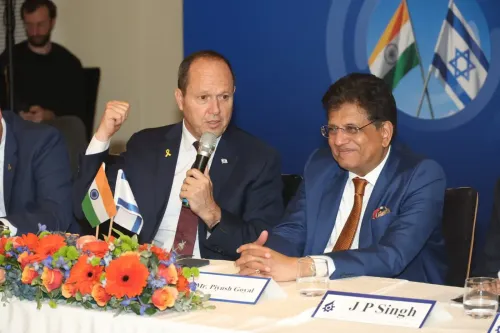
On Tuesday, Union Minister of Commerce and Industry Piyush Goyal met with the visiting Israeli delegation, stressing the importance of both sides collaborating closely to uncover new avenues for trade, innovation, and growth, thereby fortifying the valued partnership between India and Israel.
Goyal encouraged both parties to aspire towards a modern, comprehensive, and future-ready trade agreement.
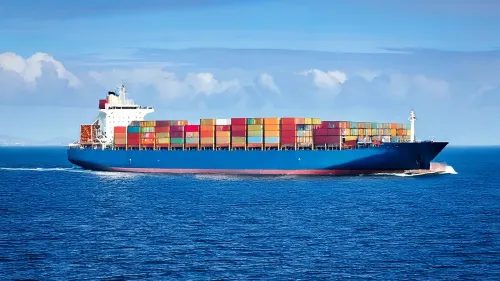
In FY 2024–25, bilateral merchandise trade between India and Israel was approximately USD 3.62 billion. The proposed FTA presents a significant opportunity to enhance trade flows by establishing a stable and predictable environment for businesses in both nations.
Both parties recognized the untapped potential in pivotal sectors such as machinery, chemicals, textiles, agriculture, medical devices, and advanced technologies.
The successful conclusion of the initial round signifies a mutual commitment to strengthening economic ties and creating new opportunities for stakeholders, as mentioned in the statement.
Point of View
It is essential to recognize the importance of the recent negotiations between India and Israel. This successful conclusion of the first round demonstrates a shared vision for economic growth and collaboration. The commitment to a Free Trade Agreement reflects the potential benefits for businesses and stakeholders in both countries.
NationPress
30 Sept 2026
Frequently Asked Questions
What is the India-Israel Free Trade Agreement (FTA)?
The India-Israel Free Trade Agreement aims to reduce tariffs and promote trade between the two nations across various sectors, enhancing economic cooperation.
When did the first round of negotiations take place?
The first round of negotiations for the India-Israel FTA occurred from February 23 to 26, 2026.
What sectors are expected to benefit from the FTA?
Key sectors such as machinery, chemicals, textiles, agriculture, medical devices, and advanced technologies are expected to benefit significantly from the FTA.
When is the next round of negotiations scheduled?
The next round of in-person negotiations is planned for May 2026 in Israel.
Who are the key figures involved in the negotiations?
Prime Minister Narendra Modi and Union Minister of Commerce and Industry Piyush Goyal are significant figures involved in the negotiations.