India ranks 3rd largest arms exporter to Europe, defence exports hit ₹38,424 crore
Synopsis
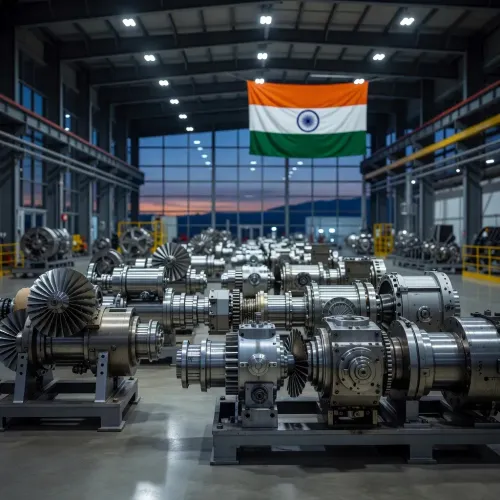
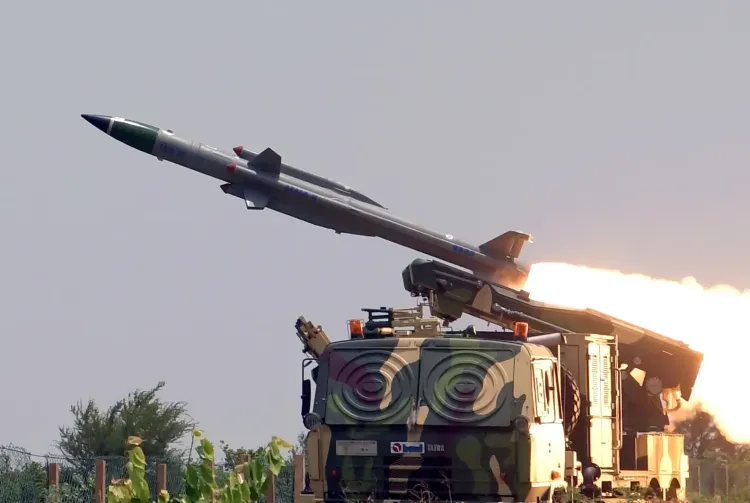
India has quietly become the third-largest arms exporter to Europe — not through fighter jets, but through artillery shells, standard ammunition, and tactical gear that a rearming continent urgently needs. With exports at an all-time high of ₹38,424 crore and a 17,000-firm manufacturing base behind it, India's pivot from defence importer to credible global supplier is no longer aspirational — it is a commercial reality.
Key Takeaways
India is now the third-largest arms exporter to Europe , according to Defence Secretary Rajesh Kumar Singh on 23 October 2026 .
Defence exports have hit an all-time high of ₹38,424 crore (approximately 3.6 billion euros ).
India exports defence goods to more than 80 countries ; domestic defence sales are valued at nearly 17 billion euros .
The defence manufacturing ecosystem includes 16 public sector companies , 840 large and medium private firms , and about 17,000 small enterprises .
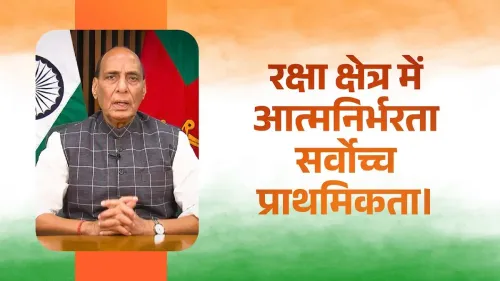
The Centre directs 75 per cent of annual defence capex ( $20–25 billion ) to domestic procurement to protect technological sovereignty.
France and Israel each account for around 15 per cent of India's defence imports; Russia's historically dominant share has declined.
India has emerged as the third-largest arms exporter to Europe, driven by surging demand under the 'Rearm Europe' initiative and an expanding domestic manufacturing base, Defence Secretary Rajesh Kumar Singh said on Friday, 23 October 2026, in New Delhi. The milestone comes as India's defence exports reached an all-time high of ₹38,424 crore — approximately 3.6 billion euros.
Record Exports and the Europe Surge
'Our exports have reached an all-time high of Rs 38,424 crore, which is about 3.6 billion euros, and I was reading a Bloomberg report yesterday, which said that suddenly, over the last year, India became the third-largest exporter of arms to Europe, mainly because of the Rearm Europe initiative,' Singh told journalists. He noted that standard ammunition of different types, artillery shells, and large- and small-calibre ammunition have started flowing to Europe 'in significant numbers.' India now exports defence goods to more than 80 countries, with domestic defence sales valued at nearly 17 billion euros.
A Manufacturing Ecosystem Decade in the Making
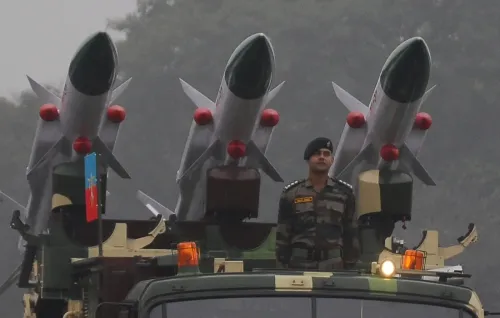
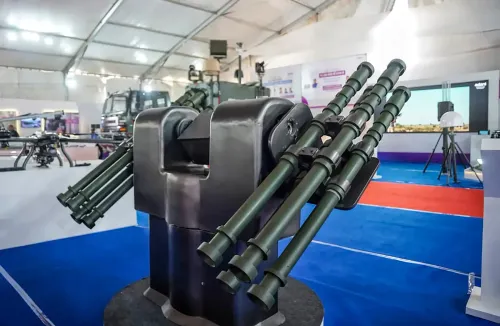
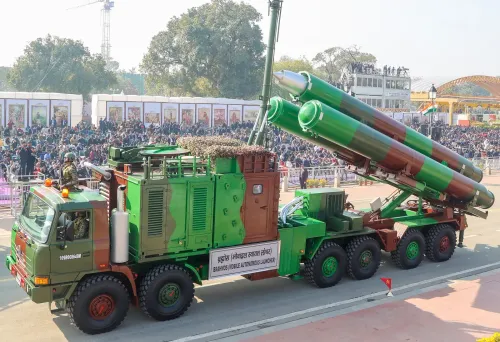
Singh credited ten years of sustained investment in India's defence manufacturing ecosystem for the export surge. The sector today comprises 16 large public sector companies, nearly 840 large and medium-sized private sector firms, and approximately 17,000 small enterprises, including startups. India's defence exports span a wide product range — from heavy artillery systems and ammunition to tactical equipment such as helmets, bulletproof jackets, and small arms. He added that buyers in Southeast Asia have contracts 'all in public negotiations' covering a gamut of defence components and artillery gun systems.
Diversifying Away from Russia, Deepening European Ties
The Defence Secretary acknowledged that India historically relied on Russia as its largest defence supplier, a dependence that has gradually eased. 'We still have a lot of our equipment that is of Russian origin, but over time that dependence has come down and we diversified,' Singh said. France currently holds the largest share of India's defence imports at around 15 per cent, with Israel holding an equal share. Singh said he had recently visited Greece and Cyprus — countries he described as recent strategic partners — underlining that geographic diversification is part of India's broader outreach into Europe.
Joint Ventures and 'Make in India' Conditions
'India intends to increasingly take part in Europe's arms procurement program — not directly, but by setting up joint ventures in Europe,' Singh said, adding that European partners are also welcome to establish joint ventures in India to access its defence market. However, Singh made clear that European countries wishing to participate in India's arms procurement programme must meet the government's 'Make in India' conditions. The Centre ensures that 75 per cent of India's annual defence capital expenditure — estimated at $20–25 billion — is spent domestically, prioritising products that are Indian-designed, developed, and manufactured (IDDM) to safeguard technological sovereignty. Singh expressed hope that a partnership framework could progressively integrate supply chains between European and Indian defence manufacturers.
What This Signals for India's Strategic Posture
The emergence of India as a top-three arms supplier to Europe marks a structural shift in its global defence identity — from a historically import-dependent military power to a credible exporter of both platforms and consumables. This comes amid Europe's accelerated rearmament drive following renewed geopolitical tensions, which has created a large and urgent procurement window that Indian manufacturers have moved swiftly to fill. The trajectory suggests India's defence export ambitions — long framed as aspirational — are now translating into measurable commercial and strategic outcomes.
Point of View
And whether the 'Make in India' joint-venture conditions are strict enough to prevent technology transfer without reciprocal industrial depth. The diversification away from Russia is real, but the pace of that shift will matter as much as the direction.
NationPress
23 Oct 2026
Frequently Asked Questions
How did India become the third-largest arms exporter to Europe?
India rose to third place among arms exporters to Europe primarily by supplying large volumes of standard ammunition, artillery shells, and small-calibre rounds driven by demand under the 'Rearm Europe' initiative, according to Defence Secretary Rajesh Kumar Singh. A Bloomberg report he cited confirmed the ranking, which has emerged over the past year.
What is India's total defence export value in 2026?
India's defence exports have reached an all-time high of ₹38,424 crore, equivalent to approximately 3.6 billion euros, as stated by Defence Secretary Rajesh Kumar Singh on 23 October 2026.
Which countries does India export defence goods to?
India exports defence goods to more than 80 countries, including nations in Europe and Southeast Asia. Buyers in Southeast Asia have publicly negotiated contracts covering small arms, artillery gun systems, and a range of defence components.
What is the 'Rearm Europe' initiative and how does it benefit India?
'Rearm Europe' is a European Union-led programme to rapidly scale up defence procurement and replenish munitions stockpiles, largely in response to the security environment following Russia's war in Ukraine. It has created large urgent orders for standard ammunition and artillery shells — categories where Indian manufacturers have stepped in at scale.
What conditions must European firms meet to access India's defence market?
European countries and companies wishing to participate in India's arms procurement programme must comply with the government's 'Make in India' conditions, which require a domestic manufacturing component. The Centre also mandates that 75 per cent of annual defence capital expenditure be spent within India, prioritising Indian-designed, developed, and manufactured (IDDM) products.