India to hit ₹50,000 crore defence exports target by 2028, two years early: Defence Secretary
Synopsis
India's defence exports have surged more than 55-fold in a decade — from ₹686 crore in 2013-14 to a record ₹38,424 crore in 2025-26. Defence Secretary Rajesh Kumar Singh now says the ₹50,000 crore target will be hit by 2028, two years early, powered by BrahMos demand in Southeast Asia and a missile pricing advantage of up to 75% over foreign rivals.
Key Takeaways
Defence Secretary Rajesh Kumar Singh said India will likely hit its ₹50,000 crore defence export target by 2028 , two years before the 2030 deadline.
India's defence exports hit a record ₹38,424 crore in 2025-26 , up from just ₹686 crore in 2013-14 .
Indian missiles are priced at roughly one-fourth the cost of comparable foreign systems, giving India a key competitive edge.
The BrahMos missile is being sold or processed for sale to several Southeast Asian countries; the Akash system is also drawing buyer interest.
The government aims for at least two to three fighter aircraft production lines, six or more missile producers, and hundreds of drone makers domestically.
Proposals from three shortlisted companies have been received for the Advanced Medium Combat Aircraft (AMCA) programme.
India is on course to surpass its ₹50,000 crore defence exports target by 2028 — nearly two years ahead of the government's 2030 deadline — as global demand for Indian military hardware accelerates, Defence Secretary Rajesh Kumar Singh said on Friday, 25 September 2026, in New Delhi. The projection comes on the back of a record ₹38,424 crore in defence exports clocked in 2025-26, a staggering rise from just ₹686 crore in 2013-14.
Key Developments
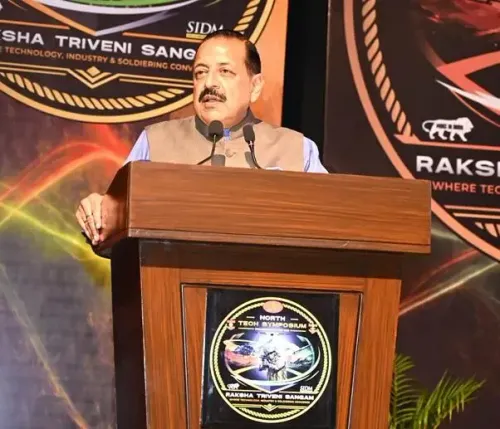
'We've reached ₹38,000 crore in orders in the last year, and in the future we have a target of ₹50,000 crore by 2030, and my anticipation is that we'll achieve it possibly by 2028,' Singh said at a Public Affairs Forum of India (PAFI) conference. The remarks signal one of the most significant upward revisions in India's defence export planning in recent years.
The defence export surge — a more than 55-fold increase over roughly a decade — reflects a structural shift in India's approach to its defence industrial base, moving from near-total import dependence toward a position as a credible global supplier.
Cost Competitiveness and Missile Edge
Singh highlighted cost competitiveness as India's primary differentiator in global arms markets, singling out the missiles segment as particularly well-placed. 'Our USP really is that we can offer missiles at almost one-fourth of the price of what foreign OEMs (original equipment manufacturers) offer,' he said. He added that lower production costs make the missile segment an area of especially high export potential.
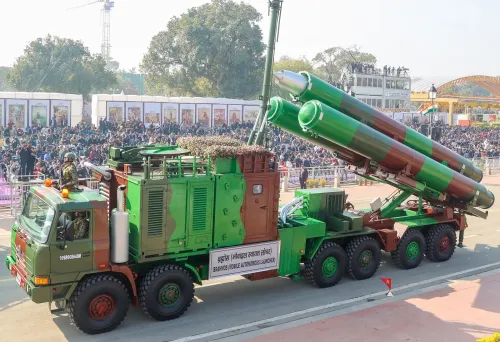
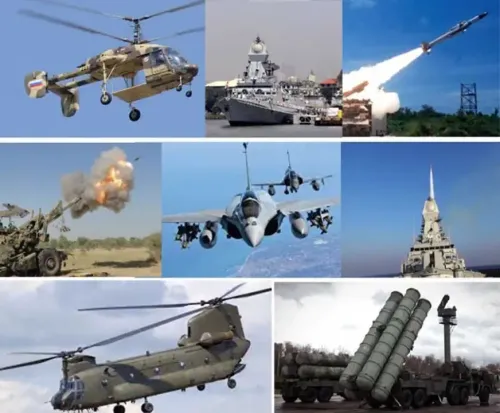
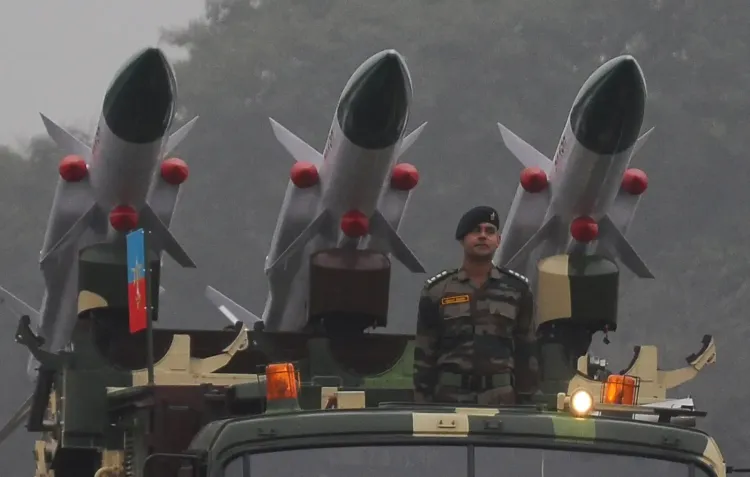
Beyond pricing, Singh pointed to growing buyer interest in artillery and mounted gun systems, as well as the Akash surface-to-air missile system. The BrahMos supersonic cruise missile — described by Singh as 'fairly coveted' — is being sold or is in the process of being sold to several Southeast Asian countries.
Expanding the Domestic Manufacturing Base
Singh outlined the government's intent to broaden India's defence manufacturing ecosystem well beyond its current footprint. He said India should have at least two, if not three, fighter aircraft production lines, around half a dozen missile producers, and hundreds of drone makers. The government is also opening up ammunition and propellant production to more private-sector companies to reduce dependence on a single public sector undertaking (PSU).
On the Advanced Medium Combat Aircraft (AMCA), Singh confirmed that proposals have been received from three shortlisted companies, indicating that larger platform development is gathering pace alongside export-oriented production.
Strategic and Economic Spillovers
Singh underscored that defence exports carry benefits beyond revenue. Exporting platforms creates longer-term strategic relationships with buyer nations through maintenance contracts, spare parts supply, and broader defence cooperation, he noted. The foreign exchange earnings and employment generated by defence manufacturing also contribute to broader macroeconomic stability, he added.
This comes amid India's sustained push under its Aatmanirbhar Bharat defence initiative, which has channelled private investment into sectors historically dominated by state-owned ordnance factories and defence PSUs. The PAFI address suggests the government is now confident enough in the pipeline to revise its timeline upward — a rare move in an industry known for delivery delays. Whether the ecosystem can scale fast enough to meet the revised 2028 target will depend heavily on how quickly new private manufacturers are operationalised and how large the BrahMos and Akash order books grow.
Point of View
But the bigger question is whether India's industrial base can absorb the ambition Singh is projecting. A handful of headline products — BrahMos, Akash — are doing the heavy lifting right now; broadening to 'hundreds of drone makers' and multiple fighter production lines is a different order of complexity. The push to open ammunition and propellant manufacturing to private players is overdue but still nascent. If the ₹50,000 crore target is to be sustainable beyond 2028, India needs not just export orders but deep after-sales infrastructure in buyer countries — the kind of long-term supply chain presence that established arms exporters have spent decades building.
NationPress
25 Sept 2026
Frequently Asked Questions
What is India's defence export target and when will it be achieved?
India's defence export target is ₹50,000 crore, originally set for 2030. Defence Secretary Rajesh Kumar Singh said on 25 September 2026 that India could achieve this target by 2028, nearly two years ahead of schedule, given current momentum.
How much did India's defence exports grow in 2025-26?
India's defence exports reached a record ₹38,424 crore in 2025-26, compared with just ₹686 crore in 2013-14 — a more than 55-fold increase over roughly a decade.
Why are Indian missiles competitive in global arms markets?
According to Defence Secretary Rajesh Kumar Singh, Indian missiles are priced at approximately one-fourth the cost of comparable systems offered by foreign original equipment manufacturers (OEMs), giving India a significant pricing advantage, especially in the missile segment.
Which Indian defence products are in demand abroad?
The BrahMos supersonic cruise missile is being sold or is in the process of being sold to several Southeast Asian countries. The Akash surface-to-air missile system and artillery and mounted gun systems are also attracting interest from potential buyers.
What is the government's plan to expand India's defence manufacturing base?
The government aims to have at least two to three fighter aircraft production lines, around half a dozen missile producers, and hundreds of drone makers operating domestically. It is also opening ammunition and propellant production to more private-sector firms to reduce reliance on a single PSU, and has received proposals from three shortlisted companies for the Advanced Medium Combat Aircraft (AMCA) programme.