Jaishankar Co-Chairs UN Seafarers Safety Group Launch
Synopsis
EAM Dr. S. Jaishankar co-chaired the inaugural UN Group of Friends on Safety and Security of Shipping and Seafarers at UNGA81 with Liberia's FM, spotlighting Red Sea attacks, seafarer welfare, and PM Modi's proposed Seafarers Emergency Support Network.
Key Takeaways
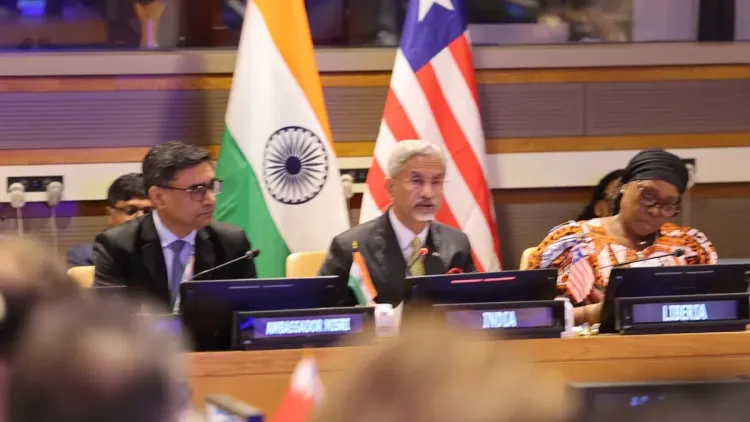
GoFonS4 launched : India and Liberia co-chaired the inaugural meeting of the Group of Friends on Safety and Security of Shipping and Seafarers at UNGA81 High-Level Week on 25 September 2026 .
Attacks cited : Jaishankar highlighted repeated attacks on commercial shipping in the Gulf, Red Sea, Black Sea and other regions causing deaths, including of Indian nationals.
Crew welfare focus : The session spotlighted prolonged vessel confinement, delayed crew changes, family separation, and psychological distress suffered by seafarers.
Modi's BRICS proposal : PM Narendra Modi had proposed a Seafarers Emergency Support Network at the recent BRICS Summit to link maritime authorities and embassies for distress alerts, medical aid, and evacuations.
Inclusive design : GoFonS4 aims to bring together major ship-owning states, large flag-registry nations, and top seafarer-sending countries on one platform.
India's strategic posture : The move consolidates India's role as a proactive builder of multilateral maritime security coalitions at the UN.
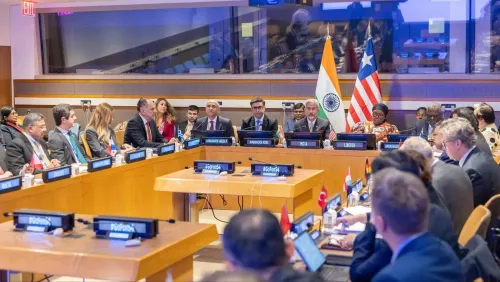
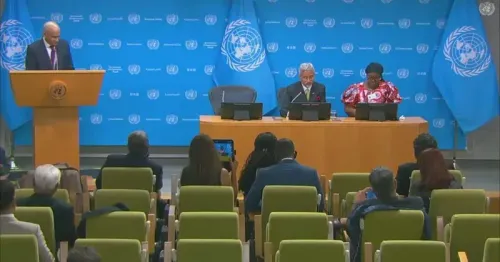
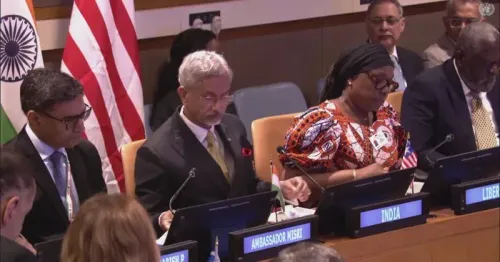
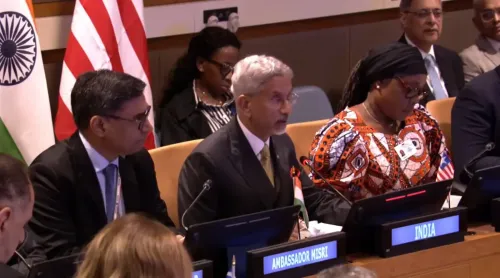
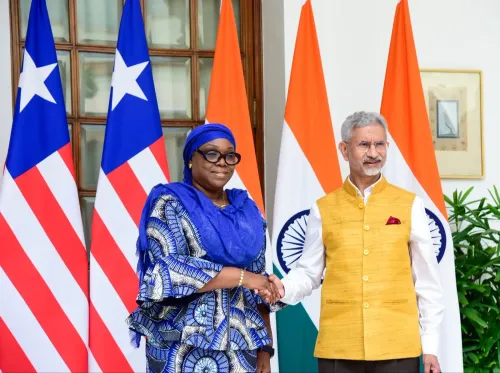
In a room full of flags at UN High-Level Week, Union External Affairs Minister Dr. S. Jaishankar on Friday, 25 September 2026 helped open a multilateral front that India has been quietly building toward: a dedicated UN platform to protect the world's commercial ships and the hundreds of thousands of mariners who crew them. Co-chairing alongside Liberian Foreign Minister Sara Beysolow Nyanti, Jaishankar inaugurated the first-ever meeting of the Group of Friends on Safety and Security of Shipping and Seafarers (GoFonS4) — a new coalition that India is positioning at the intersection of global trade security and crew welfare.
Attacks from the Red Sea to the Black Sea
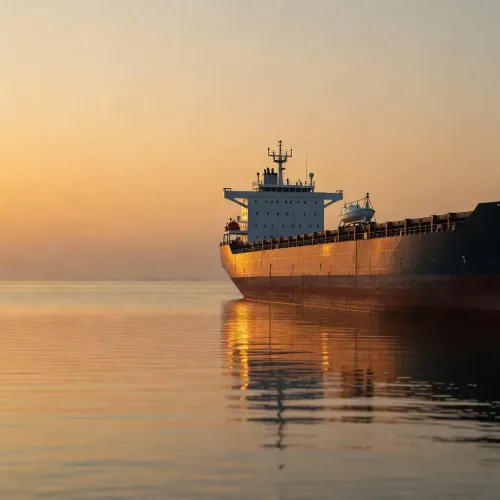
Jaishankar did not mince words about what is driving the urgency. Commercial shipping and mariners, he told the gathering, have faced 'repeated attacks in the Gulf, the Red Sea, the Black Sea and other regions in the last few months.' Those attacks have not just rattled freight markets — they have cost 'innocent lives, including of Indian nationals.' For a country that sends more seafarers to global fleets than almost any other, that line lands with particular weight.
Beyond the physical danger, he drew attention to a slower, less-visible toll: seafarers trapped aboard vessels by conflict-driven delays, crew changes postponed indefinitely, workers separated from families for months on end, and the cumulative psychological distress that follows. The disruption, he argued, is humanitarian as much as economic.
PM Modi's BRICS Proposal Brought to the UN Floor
The centrepiece India brought to the table was a concrete proposal: a Seafarers Emergency Support Network that Prime Minister Narendra Modi had floated at the recent BRICS Summit. The network, as Jaishankar described it, would link maritime authorities and embassies of concerned countries into a live grid capable of relaying distress alerts, coordinating medical assistance, enabling communication between crew and families, and supporting evacuations when needed. It is, in essence, a diplomatic-operational nerve system for crisis moments at sea.
The proposal is also a deft piece of forum-bridging: an idea born inside a BRICS summit — a body of large emerging economies — is now being tested for uptake inside a broader UN coalition. That sequencing is deliberate. India gets to claim authorship while expanding buy-in beyond the BRICS circle.
Why Liberia, and What GoFonS4 Wants to Become
The choice of Liberia as co-chair is not incidental. Liberia hosts one of the world's largest ship registries — a flag state of enormous practical weight in the shipping universe. India, for its part, is among the top suppliers of trained seafarers globally. Together, they signal that GoFonS4 is designed to be structurally inclusive: major ship-owning states, the largest flag registries, and the biggest seafarer-sending nations all at one table.
Jaishankar called the session 'a positive beginning' toward that inclusive vision, and the framing points toward something larger — a platform India can shape as it builds out its multilateral identity as a champion of the rules-based maritime order, not just a passive beneficiary of it.
India's Wider Maritime Diplomacy at the UN
This move fits a consistent pattern in Indian foreign policy: using UN High-Level Week to anchor new coalitions rather than simply attend them. India has repeatedly raised freedom of navigation and crew welfare at forums including the International Maritime Organization. The GoFonS4 launch takes that advocacy a step further — converting a recurring concern into a standing institutional mechanism with named members, a co-chair structure, and a specific deliverable (the Emergency Support Network) already on the agenda.
The test, as always with UN Groups of Friends, is what happens after the inaugural handshake. The next meetings and any movement on operationalising the support network will determine whether GoFonS4 becomes a live force or a well-intentioned letterhead.
Point of View
India is effectively stitching together two separate multilateral tracks into a single policy momentum. The choice of Liberia as co-chair is strategically smart: pairing a top seafarer-sending nation with one of the world's largest flag registries gives the group commercial-operational credibility from day one. If the Seafarers Emergency Support Network moves from proposal to operational protocol, it would mark a rare instance of India converting a summit idea into a live global instrument — a significant upgrade on its traditional posture of backing multilateral principles without leading their architecture.
NationPress
25 Sept 2026
Frequently Asked Questions
What is the Group of Friends on Safety and Security of Shipping and Seafarers?
It is a new UN platform, abbreviated GoFonS4, launched at UNGA81 High-Level Week on 25 September 2026 to address threats to commercial shipping and crew safety. India and Liberia co-chair the group, which aims to bring together major ship-owning states, large ship registries, and leading seafarer-sending nations.
Why did Jaishankar mention Indian nationals at the GoFonS4 meeting?
Jaishankar pointed out that attacks on commercial shipping in the Red Sea, Gulf, and Black Sea have cost innocent lives, including those of Indian nationals. India is one of the world's top suppliers of seafarers, making crew safety a direct national concern.
What is the Seafarers Emergency Support Network proposed by PM Modi?
PM Modi proposed the Seafarers Emergency Support Network at a recent BRICS Summit. The network would connect maritime authorities and embassies of concerned countries to facilitate distress alerts, medical assistance, family communication, and crew evacuation support during emergencies at sea.
Why is Liberia co-chairing GoFonS4 with India?
Liberia operates one of the world's largest ship registries, making it a major flag state with significant influence over global shipping. Pairing it with India — a leading seafarer-sending nation — gives GoFonS4 both registrar authority and crew-welfare representation from the outset.
What happens after the inaugural GoFonS4 meeting?
The group's value will be tested through subsequent meetings and progress on operationalising the Seafarers Emergency Support Network. The key watch points are whether member states formally join the platform and whether the proposed network moves from a BRICS idea to a functioning UN-backed mechanism.