India, Liberia launch maritime safety group at UN amid shipping attacks
Synopsis
India and Liberia — the world's largest seafarer-source nation and largest ship registry respectively — joined forces at the UN on 25 September to launch a 25-country maritime safety coalition, days after an Indian sailor was killed in the Gulf of Oman and four more died in the Black Sea. Jaishankar's blunt message: 'These attacks must stop.'
Key Takeaways
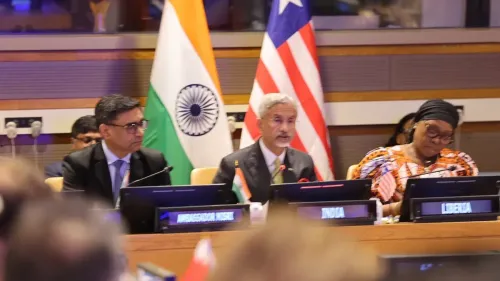
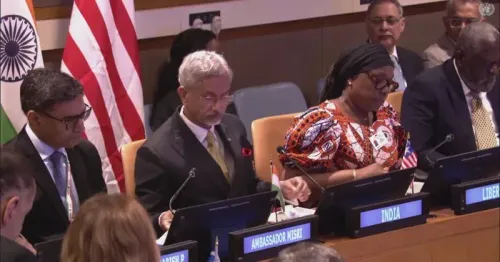
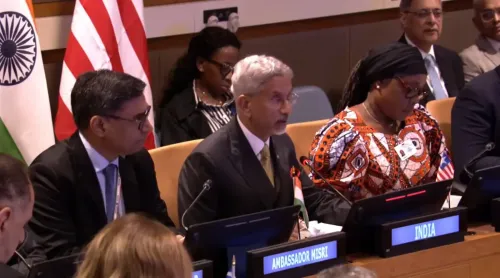
India and Liberia launched the Group of Friends on Safety and Security of Shipping and Seafarers at the UN on 25 September 2026 .
The group has 25 member countries and operates within the IMO and ILO frameworks.
An Indian sailor was killed aboard MV Cape Dove in the Gulf of Oman two days before the launch; an Indian crew member went missing from El Gaya in the Strait of Hormuz ten days prior.
Four Indian seafarers died after MV Golden Leo was struck near Odessa ; the chief officer of MV Omorfi was killed in Russian territorial waters on 18 July .
Maritime shipping carries four-fifths of global trade , worth $35 trillion annually, employing two million people.
EAM Jaishankar warned the attacks threaten food, fuel, fertilizer, and financial services — the 'four Fs.'
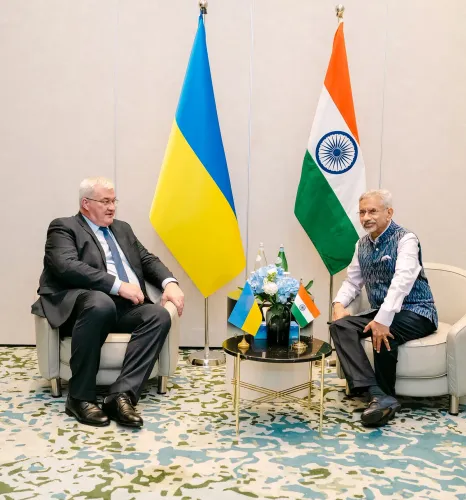
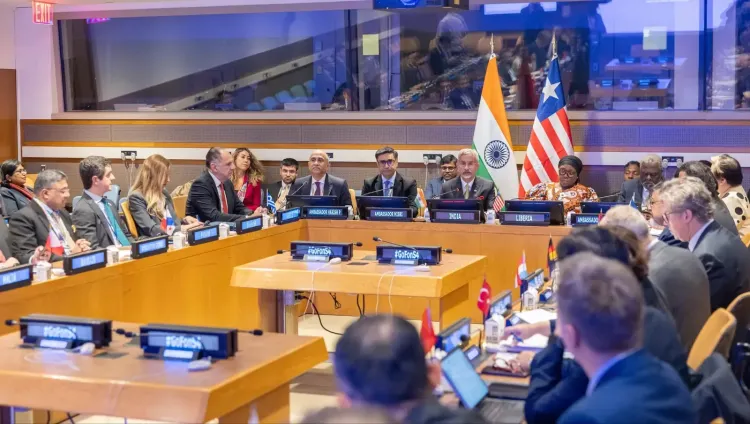
External Affairs Minister S Jaishankar on 25 September 2026 announced that India and Liberia have jointly launched the Group of Friends on Safety and Security of Shipping and Seafarers at the United Nations, citing a surge in 'unacceptable attacks on commercial shipping and merchant marines' across global waterways. The initiative brings together major ship-owning nations, large ship registries, and seafarer-supplying countries into a single multilateral coalition.
Why the Group Was Formed
Jaishankar described the logic of the partnership plainly: India is among the world's largest sources of seafarers, while Liberia hosts the largest shipping registry by tonnage on the planet. Together, the two countries represent the two ends of the global maritime supply chain — the workforce and the regulatory framework. The group operates within the institutional framework of the International Maritime Organization (IMO) and the International Labour Organization (ILO).
Liberia's Foreign Minister Sara Beysolow Nyanti, speaking alongside Jaishankar at a joint news conference, described the group as 'not a symbolic gesture' but 'an action-driven multilateral coalition.' She outlined three non-negotiable goals: demanding uncompromising technical standards and stringent vessel compliance; defending commercial sea lanes against piracy, armed attacks, and asymmetric threats; and placing seafarers' welfare at the centre of global maritime policy.
The Attacks That Forced the Issue
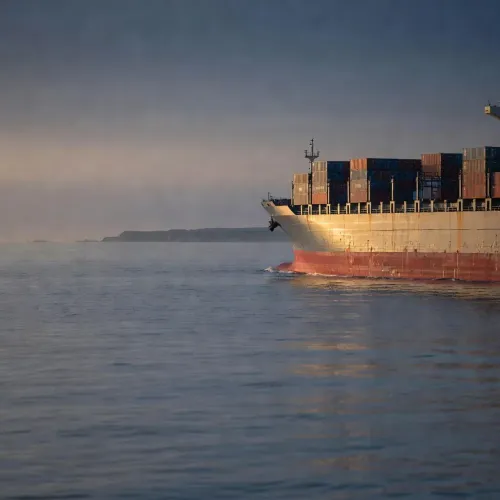
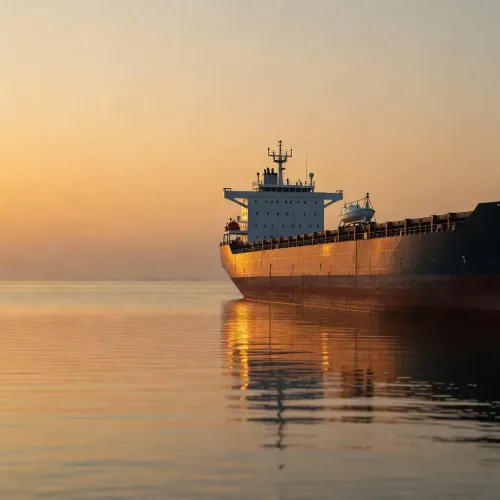
Jaishankar cited a string of recent incidents to underscore the urgency. Two days before the group's launch meeting, an Antigua and Barbuda-flagged bulk carrier, MV Cape Dove, was attacked in the Gulf of Oman, killing an Indian sailor. Ten days prior, a Panama-flagged oil tanker, El Gaya, was struck in the Strait of Hormuz, with an Indian crew member going missing.
The Black Sea has also seen deadly incidents. The chief officer of the MV Omorfi, an Indian national, was killed when the vessel was hit in Russian territorial waters on 18 July. The following day, four Indian seafarers died after the MV Golden Leo was struck shortly after departing from Odessa. 'These, regrettably, are no longer exceptional occurrences,' Jaishankar said.
He stressed that the victims were not exclusively Indian — sailors from multiple nationalities have been casualties this year, and because a vessel's flag and its crew members' nationalities often differ, a coordinated intergovernmental response is essential.
The Scale of What Is at Stake
Jaishankar placed the attacks in their economic context: maritime shipping accounts for four-fifths of global trade, valued at $35 trillion last year, and employs roughly two million people worldwide. He warned that the attacks are 'threatening the basic needs of the international community, including food, fuel, fertilizer, and financial services — four Fs.' The assaults have spanned the Strait of Hormuz, the Gulf, the Red Sea, and the Black Sea, with Jaishankar asserting there can be 'no justification' for any of them.
What the Group Intends to Do
The 25-country group is designed as a joint forum for nations involved in shipping registration and crewing, with the stated aim of shaping maritime policy, raising operational standards, and coordinating environmental stewardship. Nyanti said the coalition intends to use its 'collective weight' to safeguard seafarers, adding: 'Seafarers must never be treated as expendable cargo.' Jaishankar framed the initiative as a stabilising force: 'Our initiative is meant to add to the factors of stability and confidence in what is otherwise an uncertain and perilous world.'
With attacks still ongoing across multiple strategic waterways, the group's first test will be whether its multilateral leverage can translate into concrete deterrence and improved safety standards for the men and women who keep global trade moving.
Point of View
But signals alone do not stop missiles or drones in the Strait of Hormuz. The coalition's real value will be tested by whether it can move from IMO resolutions to enforceable deterrence — and the track record of UN-adjacent maritime bodies on that count is mixed at best. India's dual stake here is unusually high: it supplies the crews and, increasingly, depends on safe sea lanes for its own energy and export logistics. Jaishankar naming four specific recent Indian casualties was deliberate — it domesticates a global security issue and makes India's maritime diplomacy legible to a domestic audience. The harder question is whether the group can hold together when the geopolitics of the Black Sea and Red Sea pit member-state interests against each other.
NationPress
25 Sept 2026
Frequently Asked Questions
What is the Group of Friends on Safety and Security of Shipping and Seafarers?
It is a 25-country multilateral coalition launched by India and Liberia at the United Nations on 25 September 2026, designed to advocate for maritime safety and seafarer welfare. It operates within the frameworks of the International Maritime Organization and the International Labour Organization.
Why did India and Liberia co-lead this initiative?
India is one of the world's largest sources of seafarers, while Liberia hosts the largest shipping registry by tonnage globally, making the two countries the most directly affected by attacks on commercial shipping. Together they represent the workforce and regulatory ends of the maritime supply chain.
What recent attacks prompted the group's formation?
An Indian sailor was killed when MV Cape Dove was attacked in the Gulf of Oman two days before the launch. Ten days prior, an Indian crew member went missing after El Gaya was struck in the Strait of Hormuz. In the Black Sea, four Indian seafarers died aboard MV Golden Leo near Odessa, and the chief officer of MV Omorfi was killed in Russian territorial waters on 18 July.
What are the group's stated goals?
Liberia's Foreign Minister Sara Beysolow Nyanti outlined three non-negotiable goals: enforcing strict technical and compliance standards for vessels; defending sea lanes against piracy, armed attacks, and asymmetric threats; and protecting the welfare of seafarers worldwide.
How significant is maritime shipping to global trade?
According to EAM Jaishankar, maritime shipping carries four-fifths of global trade, valued at $35 trillion last year, and the sector employs around two million people. Attacks on shipping, he warned, directly threaten supplies of food, fuel, fertilizer, and financial services.