Jaishankar protests to Rubio over US Navy strike killing 3 Indian sailors in Gulf of Oman
Synopsis
India's top diplomat called out Washington by name — publicly, on X — after a US Navy strike killed three Indian sailors aboard a commercial tanker in the Gulf of Oman. With 24 Indians on a single vessel and three dead, New Delhi's rare direct rebuke of a close strategic partner signals how sharply the West Asia conflict is now cutting into India's own interests.
Key Takeaways
Jaishankar called US Secretary of State Marco Rubio on 13 June to lodge a formal protest over the killing of three Indian sailors .
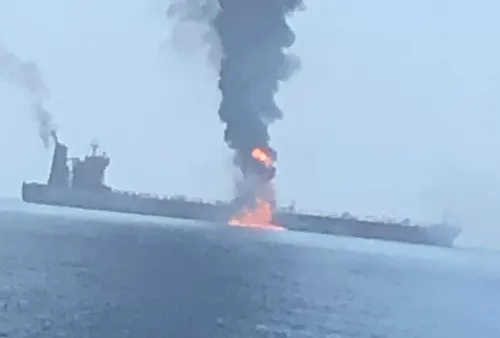
The US Navy struck the Palau-flagged tanker Settebello in the Gulf of Oman , citing alleged non-compliance and Iran oil sanctions.
The vessel carried 28 crew members — 24 Indian nationals plus two Pakistanis, one Ukrainian, and one Russian.
21 Indian sailors were rescued; three initially reported missing were later confirmed dead.
The MEA summoned US Charge d'Affaires Jason Meeks and described the deaths as 'tragic and avoidable.' India has called for 'immediate de-escalation' and demanded US forces prevent further civilian casualties.
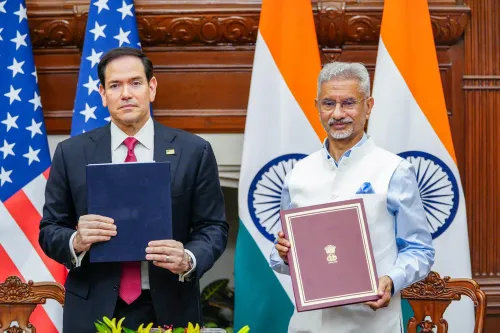
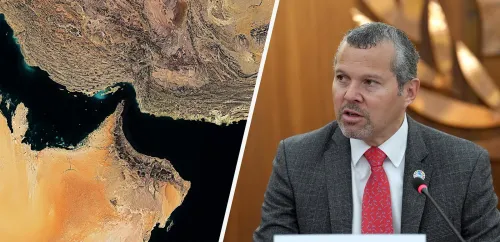
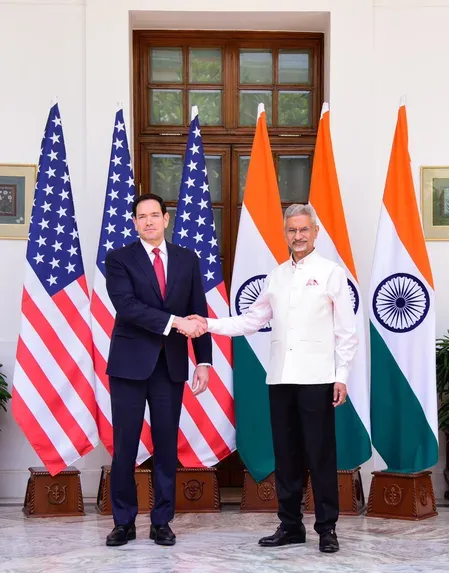
External Affairs Minister S. Jaishankar on Friday, 13 June lodged a formal diplomatic protest with US Secretary of State Marco Rubio after a US Navy strike on an oil tanker in the Gulf of Oman killed three Indian seafarers. Jaishankar told Rubio directly that 'such lethal actions against commercial shipping are not justified,' marking one of the sharpest public rebukes India has issued to Washington in recent memory.
What Jaishankar Said
In a post on social media platform X, Jaishankar wrote: 'Spoke to US Secretary of State Marco Rubio this evening. I reiterated India's strong protest at the attacks by the US Navy in the Gulf that killed three Indian mariners. Such lethal actions against commercial shipping are not justified.'
The minister's use of the word 'reiterated' signals that the protest had already been conveyed through official channels earlier in the day before the call was made.
India Summons US Charge d'Affaires
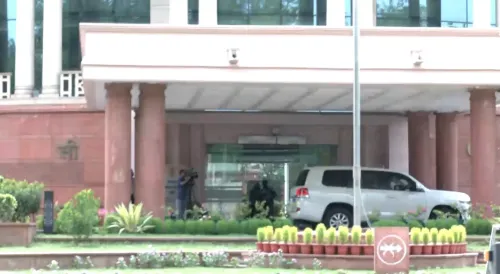
Earlier on Friday, the US Charge d'Affaires Jason Meeks was summoned to the Ministry of External Affairs (MEA) in New Delhi. The MEA issued a formal statement describing the deaths as 'tragic and avoidable' and characterising the use of lethal force against civilian vessels as 'unacceptable.'
The ministry stated that such actions 'undermine the safety, security and stability of international maritime commerce in a sensitive region at a difficult time.' Meeks was asked to convey India's concerns to US authorities and to ensure that American forces operating in the region take all necessary steps to prevent further loss of civilian life.
The Attack on Tanker Settebello
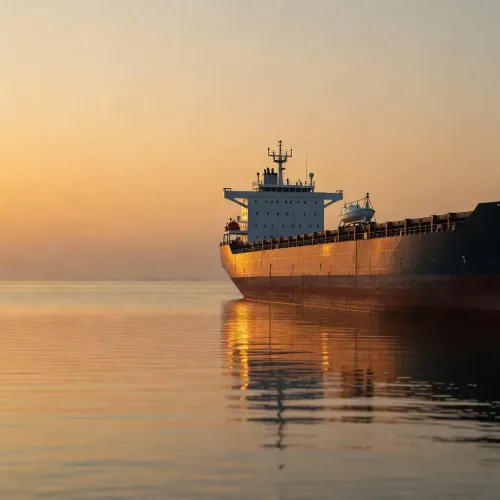
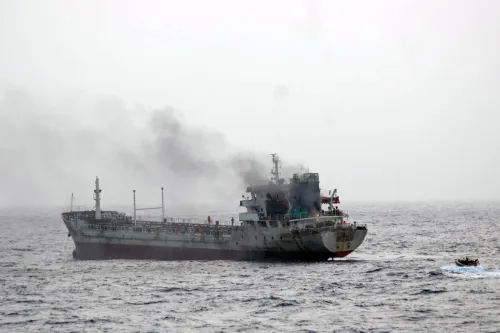
The vessel at the centre of the incident is the Palau-flagged oil tanker Settebello, which was carrying a crew of 28 at the time of the strike — 24 Indian nationals and four foreign nationals, comprising two Pakistanis, one Ukrainian, and one Russian. Of the Indian crew, 21 were rescued; the remaining three, initially reported missing, were subsequently confirmed dead.
The US Central Command (CENTCOM) acknowledged carrying out the strike, stating that one of its aircraft fired on the vessel after the crew 'repeatedly failed to comply with directions from US forces.' According to CENTCOM, the tanker was allegedly attempting to transport oil from Iran in violation of an ongoing American blockade.
India's Broader Position
The MEA linked the attack to the wider conflict engulfing the region, stating that 'attacks on shipping in the region are deeply worrisome and a direct result of the ongoing conflict.' The ministry reiterated India's call for 'immediate de-escalation,' underscoring New Delhi's consistent position that commercial maritime routes must remain free from military interdiction regardless of geopolitical disputes.
Notably, this is not an isolated incident — competing maritime restrictions imposed during the ongoing West Asia conflict have severely disrupted commercial shipping in the Gulf of Oman and surrounding waters in recent months, putting crews of multiple nationalities at risk.
What Happens Next
India has requested that US forces take concrete preventive measures to avoid further civilian casualties. With 24 Indian nationals having been aboard a single vessel, the incident has intensified domestic pressure on the government to secure stronger assurances from Washington. The diplomatic fallout will likely shape the tenor of upcoming bilateral engagements between New Delhi and Washington in the weeks ahead.
Point of View
Not a routine diplomatic note. New Delhi is signalling that the India-US strategic partnership does not grant Washington immunity when Indian lives are lost. The harder question is whether this protest translates into any operational change in US naval conduct in the Gulf, or whether it remains a diplomatic record for domestic consumption. With India deepening ties with Washington on defence and technology, the government faces the uncomfortable task of holding two contradictory positions simultaneously: strategic partner and aggrieved state.
NationPress
13 Sept 2026
Frequently Asked Questions
Why did India protest to the United States over the Gulf of Oman attack?
India protested because a US Navy strike on the oil tanker Settebello in the Gulf of Oman on 13 June killed three Indian sailors who were part of the vessel's commercial crew. The MEA described the deaths as 'tragic and avoidable' and called the use of lethal force against civilian shipping 'unacceptable.'
What happened to the Indian crew aboard the Settebello tanker?
The Settebello was carrying 24 Indian nationals among its 28-member crew when it was struck. Twenty-one Indian sailors were rescued after the attack; three who were initially reported missing were subsequently confirmed dead.
Why did the US Navy strike the Settebello?
According to US Central Command, American forces targeted the tanker after its crew allegedly failed to comply with directions from US naval personnel and the vessel was reportedly attempting to transport oil from Iran in violation of an ongoing American blockade. India has not accepted this justification as grounds for lethal force against a commercial vessel.
What diplomatic steps has India taken in response?
India summoned US Charge d'Affaires Jason Meeks to the Ministry of External Affairs, issued a formal protest statement, and EAM Jaishankar personally called US Secretary of State Marco Rubio. Jaishankar publicly stated on X that 'such lethal actions against commercial shipping are not justified.'
What is India's broader position on the West Asia conflict and maritime safety?
India has called for 'immediate de-escalation' of the West Asia conflict, linking the attack to the broader regional hostilities. The MEA has emphasised that attacks on merchant shipping undermine the safety and stability of international maritime commerce and has urged US forces to take all necessary measures to prevent further loss of civilian life.