India summons US envoy twice over Gulf of Oman attacks killing 3 Indian mariners
Synopsis
India has summoned the US envoy twice in days — an escalation rarely seen between the two strategic partners. With three Indian mariners dead and multiple commercial vessels struck by US naval forces in the Gulf of Oman, New Delhi is pushing Washington for an immediate halt to what it calls 'unacceptable' use of lethal force against civilian shipping.
Key Takeaways
The MEA summoned US Charge d'Affaires Jason Meeks on Friday, 13 June — the second summoning in days — over US naval attacks on commercial vessels in the Gulf of Oman .
Three Indian seafarers were killed aboard the commercial vessel Settebello off the coast of Oman .
All 20 Indian crew members aboard MT Jalveer were rescued with the help of Omani authorities .
The three targeted vessels are foreign-flagged (two Palau, one Guinea); two are reportedly OFAC-sanctioned .
The US State Department confirmed it is 'in direct contact' with India but made no commitment to halt operations.
India called Washington's actions 'unacceptable,' warning they undermine the safety of international maritime commerce in a sensitive region.
India's Ministry of External Affairs (MEA) on Friday, 13 June summoned US Charge d'Affaires Jason Meeks for the second time in days to lodge a strong protest over continuing attacks by US naval forces on commercial vessels carrying Indian seafarers in the Gulf of Oman, warning that Washington's conduct is 'unacceptable and undermines the safety, security and stability of international maritime commerce' in a sensitive region. The diplomatic escalation follows the deaths of three Indian mariners and comes amid a broader flare-up in West Asia.
India's Formal Protest
The MEA issued a pointed statement after the summoning, declaring that a 'strong protest was lodged regarding the continuing attacks by US naval forces on commercial vessels carrying Indian mariners in the Gulf of Oman, which have already resulted in the tragic and avoidable loss of three Indian lives.' The ministry reiterated its 'deep concern over the use of lethal and deadly force against civilian shipping,' calling such actions 'unacceptable.' Meeks was asked to convey India's concerns to US authorities and ensure that American forces operating in the region take all necessary steps to halt civilian casualties.
The Three Incidents
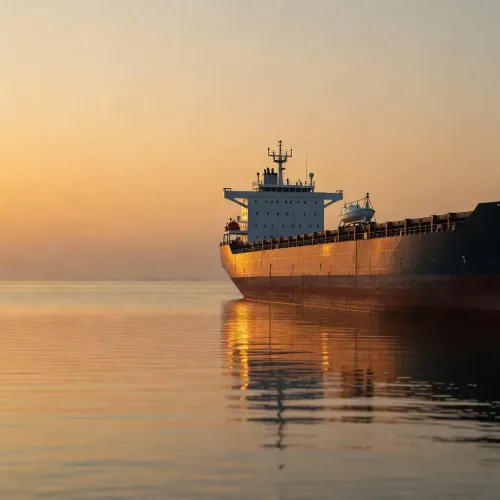
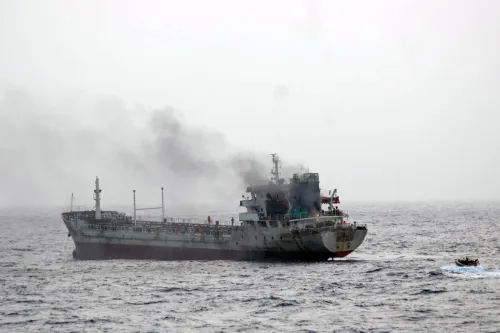
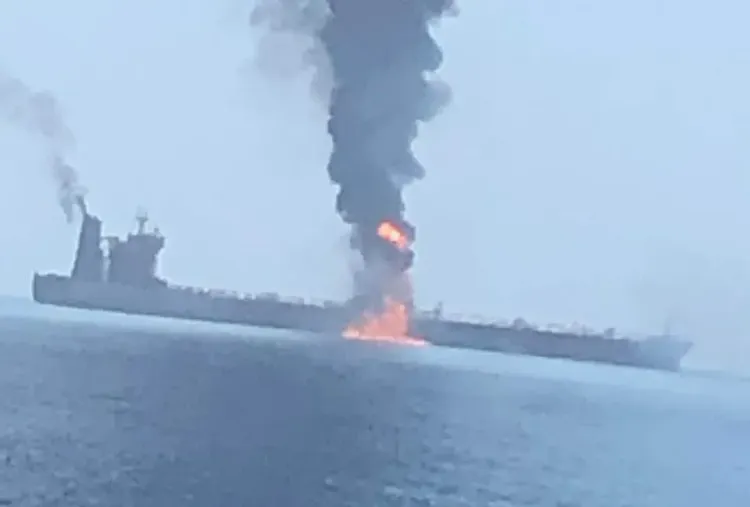
Three separate vessels have been caught up in the crisis. The first incident occurred on 8 June, when a fire erupted aboard MT Marivex south of the Strait of Hormuz, with 24 Indian seafarers on board. On Wednesday, commercial vessel Settebello came under attack off the coast of Oman; of its 24 Indian crew members, 21 were rescued while three were killed. A third attack, on MT Jalveer off Shinas port in Oman, saw all 20 Indian crew members rescued with support from Omani authorities, according to the Indian Embassy in Muscat.
What the MEA Said About the Ships
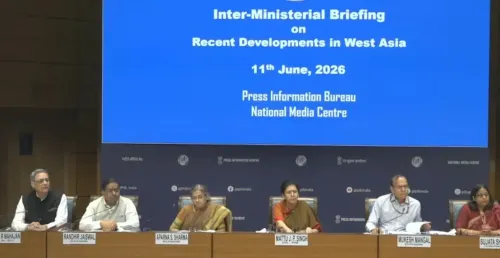
At an inter-ministerial briefing on recent developments in West Asia on Thursday, MEA spokesperson Randhir Jaiswal confirmed the attacks originated from the US Navy stationed in the area. He noted that the three vessels involved are foreign-flagged — two are Palau-flagged and the third is Guinea-flagged — and are not Indian-owned. Jaiswal added that two of the ships are reportedly on the OFAC sanctions list and one is categorised as a non-compliant vessel.
US Response
Washington acknowledged the diplomatic pressure on Thursday, with a US State Department official confirming that the department is 'in direct contact with the Indian government regarding this matter.' The statement stopped short of any commitment to suspend or review the naval operations. This comes as India has now summoned the US envoy twice within days — an unusual frequency that signals the depth of New Delhi's concern.
What Happens Next
Additional Secretary, Ministry of Ports, Shipping and Waterways, Mukesh Mangal confirmed the safety of the MT Jalveer crew at Thursday's inter-ministerial briefing. The diplomatic channel remains open, but with three Indian lives already lost and multiple vessels targeted, pressure is mounting on both governments to reach a clear operational understanding. How Washington responds in the coming days will determine whether this episode strains the broader India-US strategic partnership.
Point of View
But insists that Indian lives aboard those ships cannot be collateral damage. That distinction matters, because it allows India to protest without directly challenging the legality of US naval operations in the region. The harder question — why Indian seafarers are serving on sanctioned, non-compliant vessels — is conspicuously absent from official statements, and mainstream coverage has largely let it pass.
NationPress
26 Oct 2026
Frequently Asked Questions
Why did India summon the US envoy over the Gulf of Oman attacks?
India summoned US Charge d'Affaires Jason Meeks to formally protest continuing attacks by US naval forces on commercial vessels carrying Indian seafarers in the Gulf of Oman. Three Indian mariners have already been killed, and the MEA called the use of lethal force against civilian shipping 'unacceptable.'
How many Indian mariners were killed or affected in the Gulf of Oman incidents?
Three Indian seafarers were killed aboard the commercial vessel Settebello off the coast of Oman; 21 of its 24 Indian crew members were rescued. All 20 Indian crew members aboard MT Jalveer were rescued with Omani assistance. A third vessel, MT Marivex, also carried 24 Indian seafarers when a fire broke out on 8 June.
What is the US government's response to India's protest?
The US State Department confirmed it is 'in direct contact with the Indian government regarding this matter,' but made no specific commitment to halt or review its naval operations in the Gulf of Oman.
Are the attacked vessels Indian-owned?
No. MEA spokesperson Randhir Jaiswal confirmed that all three vessels are foreign-flagged — two are Palau-flagged and one is Guinea-flagged — and none are Indian-owned. Two of the ships are reportedly on the US OFAC sanctions list, and one is classified as a non-compliant vessel.
How significant is India summoning the US envoy twice in one week?
Summoning a US diplomatic official twice within days is an unusual step for India, reflecting the depth of New Delhi's concern. It signals that India is treating the loss of its citizens' lives as a red line even within the broader India-US strategic partnership.