India urges Bangladesh to clear 2,680+ illegal immigrant cases fast
Synopsis
India has publicly pressed Bangladesh to clear a backlog of more than 2,680 nationality-verification cases — some stuck for over five years — without which deportations under the bilateral repatriation framework cannot proceed. The diplomatic nudge, delivered by the MEA spokesperson, arrived on the same day Modi and Rahman exchanged Eid greetings, exposing the tension between warm rhetoric and unresolved ground-level friction in the India-Bangladesh relationship.
Key Takeaways
India has referred more than 2,680 cases of alleged illegal Bangladeshi immigrants to Bangladesh for nationality verification.
MEA spokesperson Randhir Jaiswal on 29 May urged Dhaka to respond promptly, noting many verifications have been pending for over 5 years .
Deportations can only proceed after nationality is confirmed under the existing India-Bangladesh bilateral repatriation arrangement .
The MEA had also raised the issue earlier in May 2025 , indicating sustained diplomatic pressure.
Prime Minister Narendra Modi separately exchanged Eid-ul-Adha greetings with Bangladeshi PM Tarique Rahman , reaffirming commitment to broader bilateral cooperation.
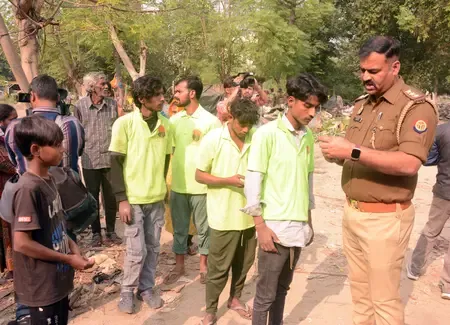
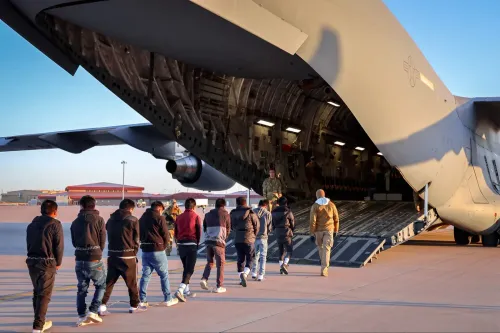
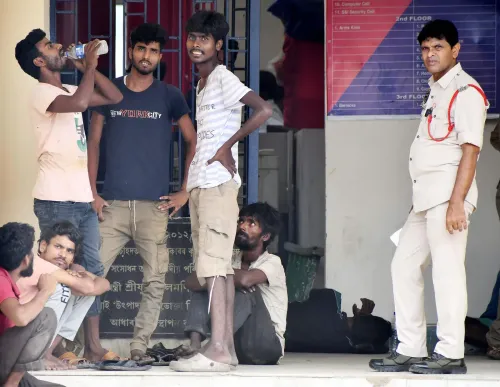
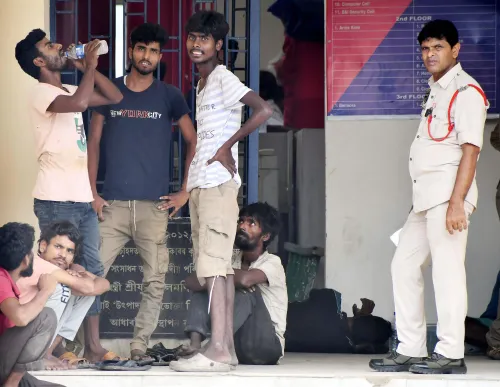
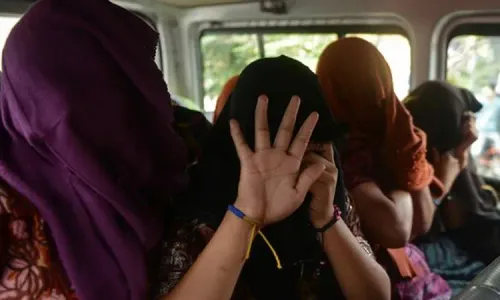
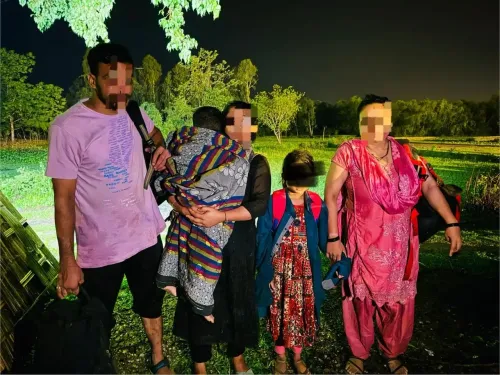
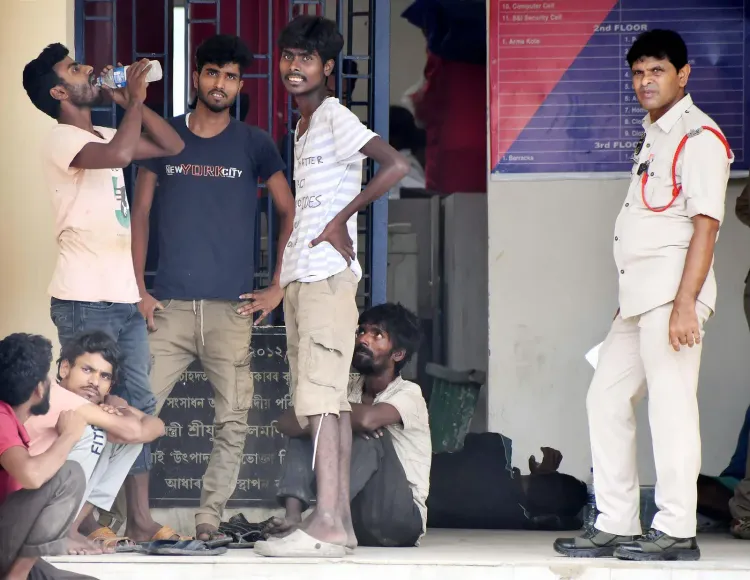
India on Friday, 29 May formally pressed Bangladesh to expedite the verification of more than 2,680 pending cases of alleged illegal Bangladeshi immigrants residing in India, signalling that prolonged delays in the nationality-confirmation process are holding up deportations under existing bilateral arrangements.
What India Said
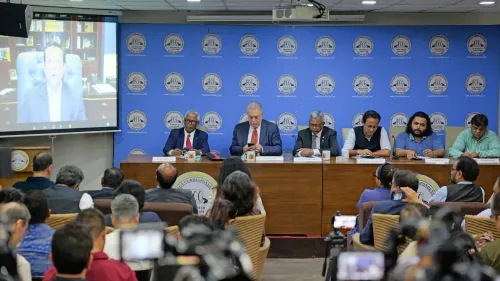
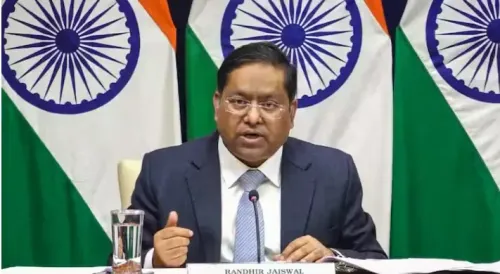
Ministry of External Affairs (MEA) spokesperson Randhir Jaiswal, speaking at the weekly media briefing in New Delhi, made clear that deportation can only proceed once Dhaka confirms the nationality of individuals whose names have already been shared. 'All illegal nationals who are staying in India will be dealt with as per the law. In the case of Bangladesh, as I had informed you earlier, we have referred 2,680 cases or more than 2,680 cases to the Bangladeshi side for them to verify the nationality of those people that we have handed over the names of. Once this nationality verification is done, we will be in a position to deport these nationals of Bangladesh,' Jaiswal said.
He underscored the urgency of the matter, noting that a significant portion of these verifications have been in limbo for over five years. 'It is our expectation that we will receive an early response from Bangladesh on this particular issue so that the bilateral arrangement that we have between both countries, based on that, these people who are staying here can be sent back to or deported back to Bangladesh,' he added.
Background and Bilateral Context
The MEA had earlier this month also called on Bangladeshi authorities to accelerate the nationality verification process to enable smooth repatriation. The issue has persisted across multiple diplomatic cycles, with India consistently flagging the backlog through official channels. The two countries maintain a bilateral framework for repatriation, but its practical operation depends on timely responses from both sides — a mechanism that has visibly stalled on the Bangladeshi end, according to Indian officials.
Modi-Rahman Exchange on Eid
The diplomatic pressure on the immigration front came alongside a warmer exchange at the leadership level. On Thursday, Prime Minister Narendra Modi conveyed Eid-ul-Adha greetings to Bangladeshi counterpart Tarique Rahman and the people of Bangladesh, reaffirming New Delhi's willingness to deepen bilateral cooperation across sectors. Modi noted that the two countries share a 'deep-rooted partnership based on shared sacrifices, cultural similarities, and mutual goals of peace, stability and growth.' He added: 'The Indian government looks forward to working closely with the Bangladesh government to strengthen people-centric cooperation in various domains.'
Rahman reciprocated the goodwill, with the Bangladesh Prime Minister's Office posting on its social media platforms: 'I thank Prime Minister Narendra Modi for his very kind greetings to me and the people of Bangladesh on the joyous occasion of Eid-ul-Adha. May the relations between the peoples of Bangladesh and India continue to be strengthened on the foundations of mutual respect, friendship, and goodwill.'
What Happens Next
The deportation clock effectively starts only after Dhaka completes nationality verification — a step India says it cannot bypass under the bilateral arrangement. With verifications reportedly pending for more than five years in many cases, New Delhi's public nudge signals growing impatience. How Bangladesh responds will test the practical depth of the bilateral cooperation both leaders have publicly championed.
Point of View
Not just on paper. New Delhi's decision to raise this publicly, at a weekly MEA briefing, rather than through quiet diplomacy alone, suggests patience has run thin. The timing is pointed: the nudge landed on the same day Modi sent warm Eid greetings to Rahman, a juxtaposition that reflects the dual-track nature of the relationship — cordial at the top, contested on the ground. If Dhaka continues to delay, India faces a credibility problem on its own domestic immigration enforcement narrative.
NationPress
13 Oct 2026
Frequently Asked Questions
How many illegal immigrant cases has India referred to Bangladesh for verification?
India has referred more than 2,680 cases to Bangladesh for nationality verification. Until Dhaka confirms the nationality of these individuals, India says it cannot proceed with deportations under the bilateral repatriation arrangement.
Why have deportations not happened yet?
Deportations require Bangladesh to first verify and confirm the nationality of the individuals concerned. According to MEA spokesperson Randhir Jaiswal, many of these verifications have been pending for over five years, effectively stalling the repatriation process.
What is the India-Bangladesh bilateral repatriation arrangement?
It is a bilateral framework between India and Bangladesh that governs the process of returning illegal immigrants to their country of origin. The arrangement requires nationality confirmation by the receiving country before deportation can take place.
What did PM Modi say to Bangladesh PM Tarique Rahman?
Prime Minister Narendra Modi conveyed Eid-ul-Adha greetings to Tarique Rahman on Thursday, expressing India's readiness to deepen bilateral cooperation. He described the relationship as rooted in 'shared sacrifices, cultural similarities, and mutual goals of peace, stability and growth.'
What happens if Bangladesh does not respond to the verification requests?
If Bangladesh does not complete nationality verification, the individuals in question cannot be formally deported under the existing bilateral arrangement. India has not publicly stated what alternative steps it may take, but the MEA's repeated public statements suggest escalating diplomatic pressure.