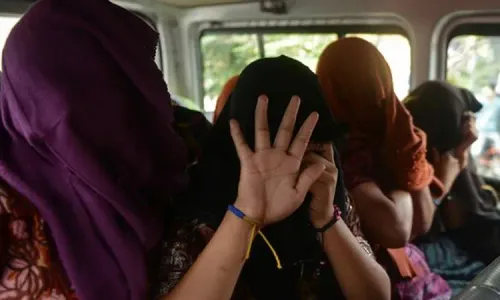
MEA on illegal immigrants: 2,680+ Bangladeshi cases await Dhaka verification
Synopsis
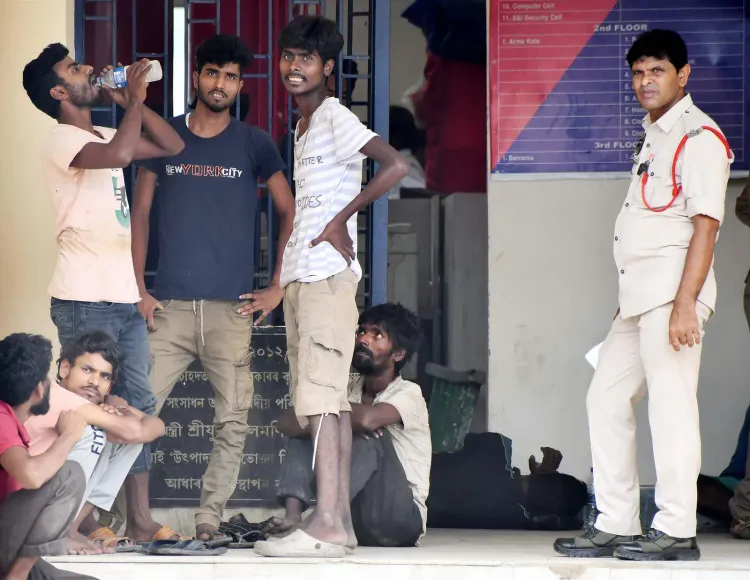
India has more than 2,680 illegal Bangladeshi immigrant cases sitting with Dhaka for nationality verification — some for over five years — and New Delhi is now pressing for urgent action. The MEA's public push signals growing impatience with a bilateral deportation process that has quietly stalled.
Key Takeaways
MEA spokesperson Randhir Jaiswal confirmed on 5 June that all illegal foreign nationals, including from Bangladesh , will be dealt with under Indian law.
India has referred more than 2,680 cases of alleged illegal Bangladeshi nationals to Dhaka for nationality verification.
Deportation can only proceed after Bangladesh confirms the nationality of individuals — a step that has been pending for over five years in many cases.
India urged Bangladesh to expedite verifications so deportations can move forward under the existing bilateral arrangement.
The MEA had raised the same issue the previous week, signalling sustained diplomatic pressure on Dhaka.
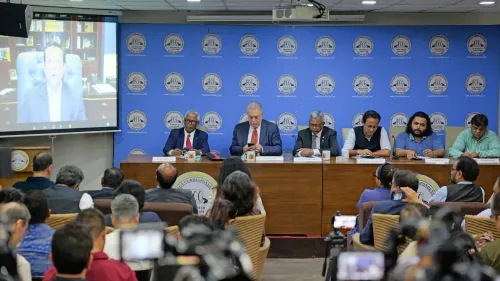
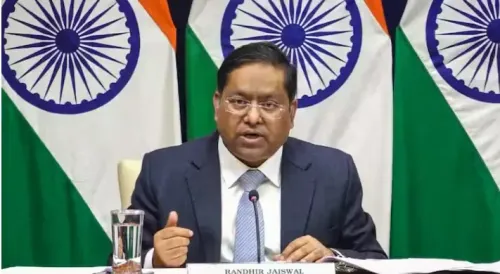
India's Ministry of External Affairs (MEA) on Friday, 5 June reaffirmed that all foreign nationals residing unlawfully in the country — including those from Bangladesh — will be dealt with strictly under Indian law, with deportations contingent on nationality verification by Dhaka. The statement came during a weekly press briefing in New Delhi, where MEA spokesperson Randhir Jaiswal outlined the bilateral mechanism governing the deportation process.
What the MEA Said
Addressing reporters, Jaiswal stated: 'All foreign nationals in India, if they are here illegally, including from Bangladesh, we have laws to deal with them, and they will be accordingly dealt with.' He explained that India refers individual cases to the Bangladeshi side for nationality verification before initiating deportation under the existing bilateral arrangement.
'We have many of these requests that are still pending with the Bangladeshi side, and we hope and expect that they will be expedited as soon as possible so that the deportation of people who are illegally staying in India can be taken forward smoothly and efficiently,' Jaiswal added.
Over 2,680 Cases Pending With Bangladesh
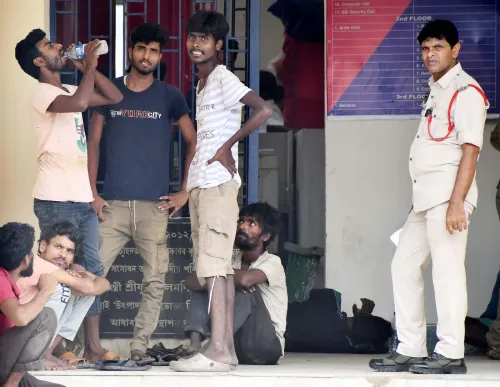
India has referred more than 2,680 cases of alleged illegal Bangladeshi nationals to Dhaka for identity confirmation. Jaiswal noted that in many instances, these verifications have been pending for more than five years. New Delhi has called for an early response so that the deportation process can proceed under the bilateral framework already in place between the two countries.
This is not the first time the MEA has flagged the backlog — last week, the ministry had similarly expressed hope for a prompt reply from Bangladesh on the same set of cases.
The Bilateral Deportation Mechanism
India and Bangladesh maintain a formal bilateral arrangement for the deportation of illegal migrants. Under this framework, India forwards the names and details of individuals it has identified as potentially illegal Bangladeshi nationals. Deportation can only proceed once Dhaka formally confirms their nationality — a step that critics argue has become a procedural bottleneck.
This comes amid heightened national attention on illegal immigration, with the issue featuring prominently in domestic political discourse and border-management policy reviews.
What Happens Next
The MEA's position signals that India intends to pursue deportations systematically rather than unilaterally, staying within the agreed bilateral channels. The pace of the process will depend significantly on how quickly Bangladesh completes its verification of the 2,680-plus pending cases. New Delhi has made clear it expects the process to be expedited without further delay.
Point of View
680-case backlog is a calibrated diplomatic signal — naming the number twice in a week is not accidental. The bilateral deportation mechanism exists on paper, but five-year verification delays suggest it functions more as a procedural shield than an operational channel. New Delhi's increasingly vocal posture reflects domestic political pressure, but the real leverage question remains unanswered: what consequences, if any, follow if Dhaka continues to delay? Without a defined escalation path, the MEA's 'hope and expectation' language risks becoming a ritual rather than a deadline.
NationPress
21 Oct 2026
Frequently Asked Questions
What did India's MEA say about illegal Bangladeshi immigrants?
The MEA confirmed on 5 June that all illegal foreign nationals in India, including from Bangladesh, will be dealt with under Indian law. Spokesperson Randhir Jaiswal said deportations will proceed through the bilateral mechanism once Bangladesh verifies the nationality of referred individuals.
How many illegal Bangladeshi immigrant cases are pending verification?
India has referred more than 2,680 cases to Bangladesh for nationality verification. In many of these cases, the verification has reportedly been pending for over five years.
Why hasn't India deported illegal Bangladeshi nationals yet?
Under the bilateral arrangement between India and Bangladesh, deportation can only proceed after Dhaka formally confirms the nationality of the individuals concerned. The verification of over 2,680 referred cases remains pending with the Bangladeshi side.
What is the India-Bangladesh deportation mechanism?
It is a formal bilateral arrangement under which India forwards details of individuals identified as potentially illegal Bangladeshi nationals to Dhaka. Bangladesh must verify their nationality before India can legally deport them back.
How long have some of these deportation verifications been pending?
According to MEA spokesperson Randhir Jaiswal, many of the nationality verification requests have been pending with Bangladesh for more than five years. India has urged Dhaka to respond at the earliest.