Why Did India Reject Claims from Bangladesh's Interim Government?
Synopsis
India stands firm against the assertions made by Bangladesh's interim government, reiterating its support for free and fair elections. The ongoing tensions highlight the complex political landscape in South Asia. How will this situation evolve, and what implications might it have for regional stability? Read on to understand the unfolding dynamics.
Key Takeaways
India rejects claims from Bangladesh's interim government.
India supports free , fair , and credible elections in Bangladesh.
Extradition request for Sheikh Hasina is under review.
ICT verdict sentenced Hasina to death for crimes against humanity.
Diplomatic relations are crucial for regional stability.
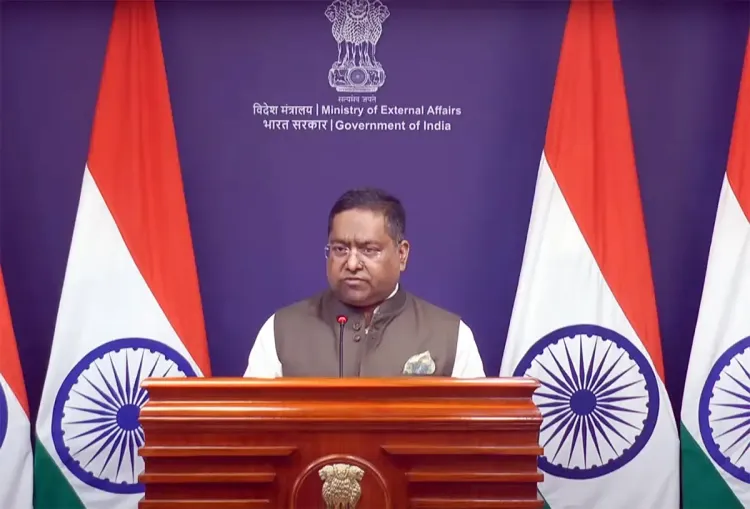
New Delhi, Dec 14 (NationPress) India has firmly dismissed the claims made by the interim government of Bangladesh, emphasizing its ongoing commitment to ensuring fair, free, inclusive, and credible elections in the neighboring country within a peaceful environment.
The Ministry of External Affairs (MEA) reiterated that India has never permitted its territory to be utilized for actions detrimental to the interests of the Bangladeshi populace.
"India categorically rejects the claims presented by Bangladesh's interim Government in its press note dated December 14, 2025. We have consistently maintained our stance in support of free, fair, inclusive, and credible elections in Bangladesh conducted in a tranquil atmosphere," the MEA conveyed in a statement.
The MEA further noted, "India has never allowed its land to be exploited for activities that are against the interests of the friendly people of Bangladesh. We anticipate that the interim Government of Bangladesh will undertake all essential measures to maintain internal law and order, particularly for the purpose of facilitating peaceful elections."
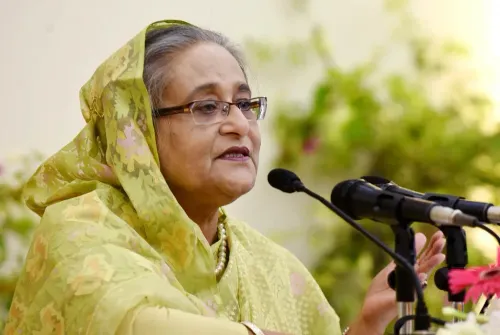
This statement from the MEA follows Bangladesh's Ministry of Foreign Affairs summoning Indian High Commissioner to Bangladesh, Pranay Verma, over allegations that former Prime Minister Sheikh Hasina made provocative remarks inciting leaders and activists to participate in terrorist activities in Bangladesh. Reports indicate that during the meeting at the Foreign Ministry, Bangladesh expressed "deep concern" over Hasina's statements and requested her immediate extradition, as per the Dhaka Tribune.
In November, India acknowledged receipt of Dhaka's request regarding the extradition of Sheikh Hasina, which is currently under review as part of ongoing judicial and legal procedures.
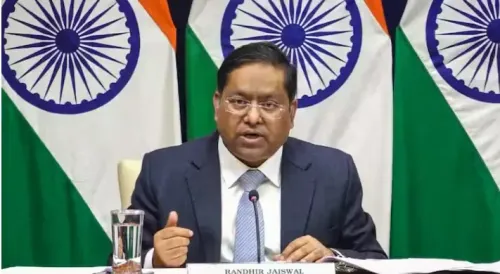
When asked about Bangladesh's extradition request for Sheikh Hasina during a weekly press briefing, MEA spokesperson Randhir Jaiswal stated, "Yes, we have received the request, and it is being examined as part of ongoing judicial and internal legal processes. We remain committed to the best interests of the people of Bangladesh, including peace, democracy, inclusion, and stability, and we will continue to engage constructively with all stakeholders in this regard."
Bangladesh had formally requested India's assistance in the extradition of Sheikh Hasina following the International Crimes Tribunal's (ICT) ruling. On November 17, the ICT sentenced Hasina to death after finding her guilty of crimes against humanity linked to protests in July 2024.
The ICT also sentenced two of Hasina's senior aides, with former Home Minister Asaduzzaman Khan Kamal receiving a death sentence and former Inspector General of Police Chowdhury Abdullah Al-Mamun, who testified for the state, sentenced to five years in prison.
In response to the ICT's verdict, Hasina claimed that the ruling was issued by a rigged tribunal established and led by the unelected interim government headed by Muhammad Yunus, asserting that it lacks a democratic mandate. The former Prime Minister described the judgment as politically motivated and biased.
Point of View
It is crucial to recognize the importance of maintaining diplomatic relations while upholding democratic values. India is committed to supporting its neighbors, and this situation calls for careful navigation to ensure peace and stability in the region. NationPress stands with the principles of democracy and mutual respect.
NationPress
8 Sept 2026
Frequently Asked Questions
What is India's stance on the claims made by Bangladesh's interim government?
India has rejected the claims and reaffirmed its commitment to supporting free, fair, and credible elections in Bangladesh.
What actions has India taken regarding the extradition request for Sheikh Hasina?
India has acknowledged the extradition request and is currently reviewing it as part of ongoing judicial processes.
How has Bangladesh responded to India's position?
Bangladesh summoned the Indian High Commissioner and expressed concerns over statements made by former Prime Minister Sheikh Hasina.
What was the outcome of the International Crimes Tribunal regarding Sheikh Hasina?
The ICT sentenced Sheikh Hasina to death for crimes against humanity related to protests in July 2024.
What does this situation mean for regional stability?
The ongoing tensions could have significant implications for political stability and diplomatic relations in South Asia.