India rejects CSIS foreign interference claims as 'baseless imputations'
Synopsis
India's foreign ministry has flatly rejected Canada's intelligence agency CSIS linking New Delhi to foreign interference — but in the same breath, turned the CSIS report against Ottawa, highlighting its own acknowledgement that Khalistani extremists in Canada pose a national security threat. The diplomatic standoff between the two nations shows no sign of resolution.
Key Takeaways
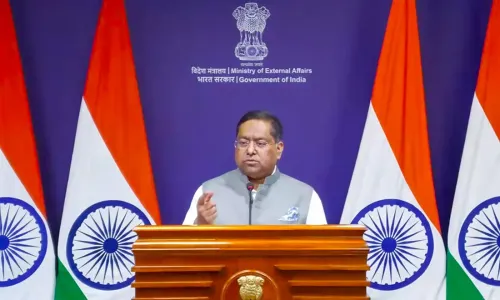
MEA spokesperson Randhir Jaiswal on 7 May called CSIS allegations of Indian foreign interference "baseless imputations." India insisted concerns should be addressed via "established mechanisms" rather than "politicised or public narratives." The CSIS report named China, Russia, Iran, and Pakistan as primary foreign interference actors in Canada; India was separately referenced.
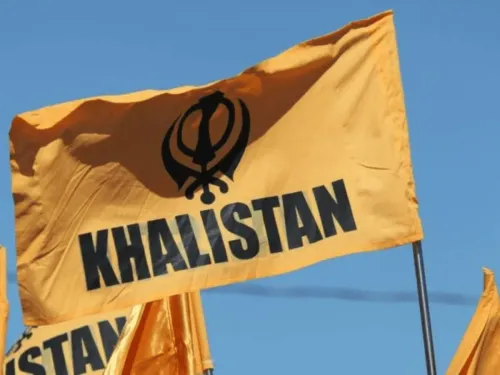
The same CSIS report acknowledged that Canada-based Khalistani extremists (CBKEs) continue to pose a national security threat to both Canada and India.
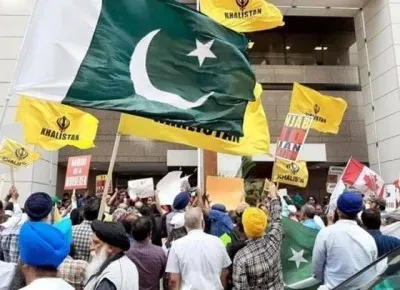
India has repeatedly urged Ottawa to act against groups glorifying violence, threatening diplomats, vandalising places of worship, and promoting secessionism.
India-Canada ties have been severely strained since September 2023 over the Hardeep Singh Nijjar killing allegations.
India's Ministry of External Affairs (MEA) on Thursday, 7 May categorically rejected accusations by Canada's Security Intelligence Service (CSIS) linking New Delhi to foreign interference in Canadian affairs, calling them "baseless imputations" and urging that such concerns be resolved through established diplomatic mechanisms rather than public or politicised narratives.
India's Official Response
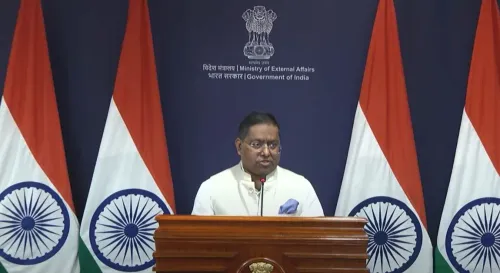
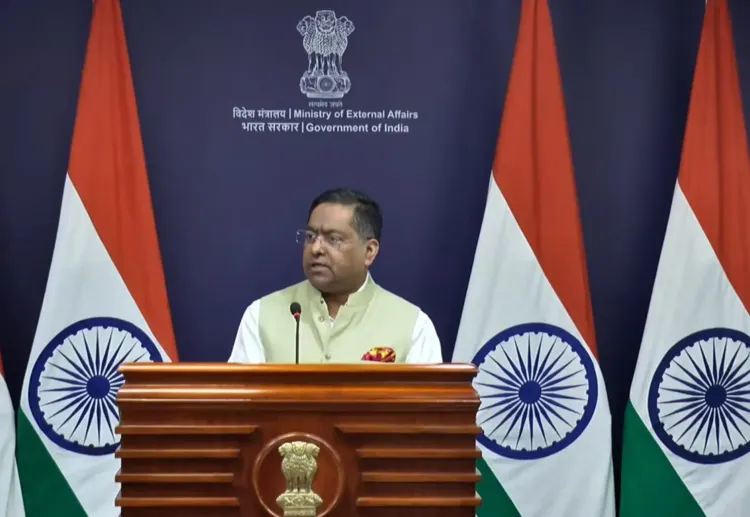
MEA spokesperson Randhir Jaiswal, addressing the weekly media briefing in New Delhi, delivered a pointed rebuttal. "India's position on this particular issue has been clear and consistent and we have spoken about it on several occasions in the past as well. We categorically reject such baseless imputations. India is a democracy that adheres to international norms and respects the sovereignty of other nations. It is not our policy to interfere in issues of other countries," Jaiswal stated.
He further emphasised that "any concerns of this nature should be addressed through established mechanisms rather than through politicised or public narratives" — a pointed reference to what New Delhi views as Canada's pattern of airing bilateral grievances in public forums rather than diplomatic channels.
What the CSIS Report Said
The CSIS latest public report had flagged that foreign interference in Canadian politics "remains aggressive and sophisticated." The report identified China, Russia, Iran, and Pakistan as the main perpetrators, accusing them of employing tactics designed to undermine democratic institutions, influence public discourse, and erode trust in democratic processes. India was separately referenced in the context of foreign interference, prompting Thursday's sharp rebuttal from New Delhi.
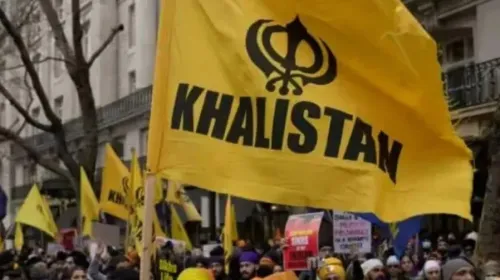
Notably, the same CSIS report also acknowledged that Canada-based Khalistani extremists (CBKEs) continue to pose a national security threat through their involvement in violent extremist activities — an acknowledgement that India has seized upon to reinforce its own longstanding concerns.
India Turns the Tables on Khalistan Issue
Jaiswal used the briefing to reaffirm India's consistent position that Canadian territory has been used as a safe haven by extremists and separatists. "The CSIS assessment acknowledges the presence of supporters of the Khalistan separatist movement in Canada and notes that Canada-based Khalistani extremist groups continue to pose a national security threat, not only to India but also to Canada. It further highlights that such elements misuse democratic freedoms and institutions to promote extremism and raise funds that are diverted towards violent activities," he said.
India has repeatedly pressed Ottawa to act against anti-India elements operating from its soil. Jaiswal listed specific concerns: "This includes addressing the issue of glorification of violence, threats against diplomats and leaders, vandalism of places of worship and attempts to promote secessionism through so-called referendums."
Broader Context: A Strained Bilateral Relationship
The exchange comes against the backdrop of severely strained India-Canada ties, which deteriorated sharply after Canadian Prime Minister Justin Trudeau alleged in September 2023 that Indian agents were linked to the killing of Khalistani separatist Hardeep Singh Nijjar in British Columbia — a charge New Delhi has firmly denied. Both countries subsequently expelled senior diplomats, and bilateral relations have yet to fully recover. This latest CSIS report and India's swift rejection suggest the diplomatic frost shows little sign of thawing in the near term.
Point of View
Both governments appear more invested in managing domestic optics than in rebuilding a working relationship. India's insistence on 'established mechanisms' rings hollow unless it is willing to engage those mechanisms seriously, just as Canada's interference claims lack credibility if they are not matched by transparent evidence-sharing.
NationPress
22 Sept 2026
Frequently Asked Questions
Why did India reject the CSIS foreign interference report?
India's MEA called the CSIS allegations linking New Delhi to foreign interference in Canada "baseless imputations," stating that it is not India's policy to interfere in other nations' affairs. The ministry urged that such concerns be resolved through established diplomatic mechanisms rather than public narratives.
What did the CSIS report actually say about India?
The CSIS public report flagged foreign interference in Canadian politics as "aggressive and sophisticated," primarily naming China, Russia, Iran, and Pakistan. India was separately referenced in the context of foreign interference. The same report also acknowledged that Canada-based Khalistani extremists pose an ongoing national security threat.
How did India use the CSIS report to highlight Khalistan concerns?
MEA spokesperson Randhir Jaiswal pointed out that the CSIS report itself acknowledged Canada-based Khalistani extremist groups as a national security threat to both Canada and India. India reiterated its longstanding demand that Ottawa act against groups glorifying violence, threatening Indian diplomats, and promoting secessionism through referendums.
What is the current state of India-Canada relations?
India-Canada ties have been severely strained since September 2023, when Canadian Prime Minister Justin Trudeau alleged Indian involvement in the killing of Khalistani separatist Hardeep Singh Nijjar in British Columbia — a charge India denies. Both countries expelled senior diplomats, and relations have not meaningfully recovered since.
What has India asked Canada to do regarding extremist groups?
India has repeatedly urged Canadian authorities to take effective action against anti-India elements operating from Canadian soil, including addressing glorification of violence, threats against Indian diplomats and leaders, vandalism of places of worship, and attempts to promote secessionism through so-called referendums.