Hepatitis-Mukt Bharat by 2030: MoS Anupriya Patel urges national push
Synopsis
India is pushing for a Hepatitis-Mukt Bharat by 2030 — and the numbers behind the push are striking. Medicine costs slashed to under one dollar, free treatment for Hepatitis C and B, and screening now available at over 1.85 lakh Ayushman Arogya Mandirs. On World Hepatitis Day 2026, MoS Anupriya Patel laid out how far the NVHCP has come — and how far it still needs to go.
Key Takeaways
MoS Anupriya Patel called for a Hepatitis-Mukt Bharat by 2030 at a World Hepatitis Day 2026 event in New Delhi on 28 July 2026 .
The National Viral Hepatitis Control Programme (NVHCP) has completed eight years since its launch on World Hepatitis Day 2018 .
India offers free treatment for Hepatitis C and management support for Hepatitis B , with medicine costs reduced to less than one dollar .
Hepatitis screening and treatment services have been expanded to more than 1.85 lakh Ayushman Arogya Mandirs across the country.
IEC materials on Hepatitis B and C were released for dissemination across all states and Union Territories .
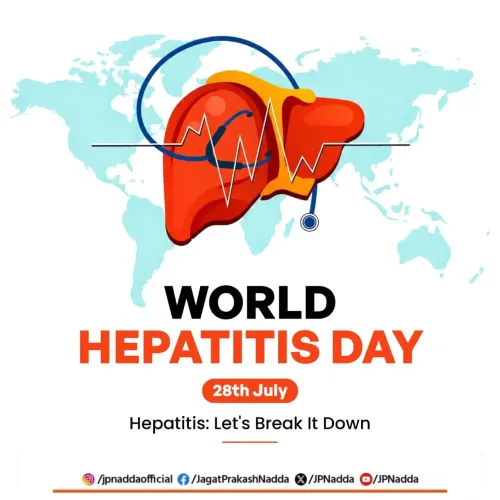
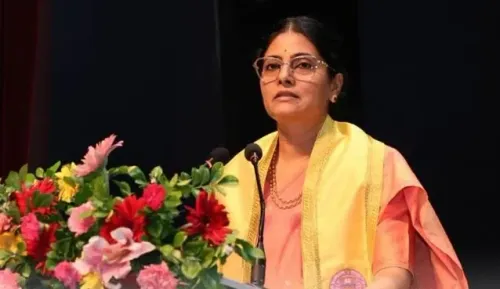
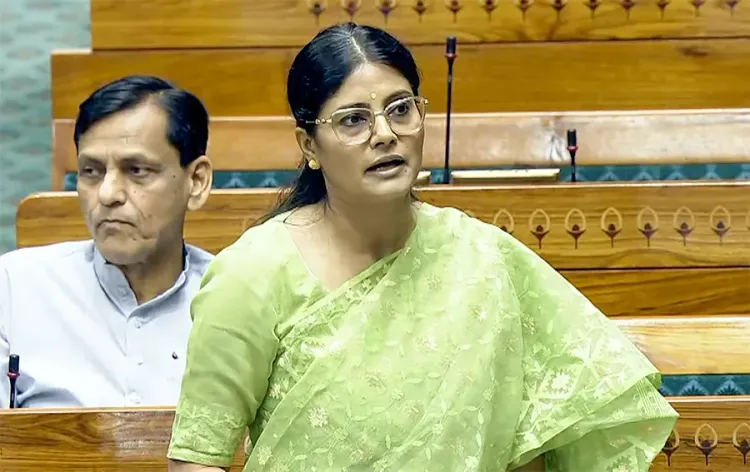
Union Minister of State for Health and Family Welfare Anupriya Patel on Tuesday, 28 July 2026, called for a Hepatitis-Mukt Bharat by 2030, urging coordinated action from the Centre, state governments, and public health stakeholders to eliminate viral hepatitis as a national public health threat. She was delivering the keynote address at a World Hepatitis Day 2026 event held in New Delhi under the global theme 'Hepatitis: Let's Break It Down'.
Eight Years of the National Viral Hepatitis Control Programme
Patel noted that the National Viral Hepatitis Control Programme (NVHCP), launched on World Hepatitis Day 2018 under the National Health Mission, is now in its eighth year. 'India is marking eight years of the National Viral Hepatitis Control Programme, during which substantial progress has been made in prevention, screening, diagnosis, treatment and follow-up,' she said. The programme, she added, reflects India's formal commitment to meeting the 2030 elimination target set under global public health frameworks.
Free Treatment and Reduced Medicine Costs
The minister highlighted that India is among a small group of countries offering free-of-cost treatment for Hepatitis C and management support for Hepatitis B. Significantly, the cost of medicines has been brought down to less than one dollar, while quality diagnostics are being made more accessible to enable early identification and timely treatment, she said. These cost reductions are positioned as a critical lever for improving treatment uptake in lower-income and rural populations.
Expansion to 1.85 Lakh Ayushman Arogya Mandirs
The NVHCP has been scaled up in phases. In its initial stage, treatment services for uncomplicated hepatitis cases were strengthened at district health facilities, while selected institutions were equipped to handle referrals for complicated cases. Subsequently, screening and treatment services were extended to the country's network of more than 1.85 lakh Ayushman Arogya Mandirs, bringing hepatitis care to the primary healthcare level — a structural shift in the programme's reach.
IEC Materials Released for National Dissemination
At the event, Patel also released Information, Education and Communication (IEC) materials — including posters on Hepatitis B and Hepatitis C — covering modes of transmission and available services under the NVHCP. These materials are to be disseminated across all states and Union Territories as part of a wider public awareness drive.
What Comes Next
With 2030 set as the elimination deadline, the pace of programme expansion and diagnostic coverage will be closely watched. India's ability to sustain free treatment access, scale screening through Ayushman Arogya Mandirs, and drive awareness in underserved communities will determine whether the Hepatitis-Mukt Bharat goal moves from ambition to outcome.
Point of View
Sub-dollar medicine costs, and primary-care integration across 1.85 lakh facilities are not trivial achievements. But the 2030 deadline is four years away, and the gap between programme reach and actual treatment uptake in tribal, remote, and migrant populations remains underdocumented. The NVHCP's eight-year report card covers inputs well; what is missing is a transparent, publicly accessible dashboard of outcomes — how many Hepatitis C patients achieved sustained virologic response, how many Hepatitis B cases are under active management. Without that accountability layer, the Hepatitis-Mukt Bharat goal risks being measured by coverage numbers rather than by the harder metric of lives changed.
NationPress
27 Oct 2026
Frequently Asked Questions
What is the Hepatitis-Mukt Bharat goal?
Hepatitis-Mukt Bharat is India's target to eliminate viral hepatitis as a public health threat by 2030, in line with global WHO elimination goals. The drive is anchored by the National Viral Hepatitis Control Programme (NVHCP), which covers prevention, screening, diagnosis, treatment, and follow-up.
What is the National Viral Hepatitis Control Programme (NVHCP)?
The NVHCP is a government programme launched on World Hepatitis Day in 2018 under the National Health Mission. It provides free treatment for Hepatitis C and management support for Hepatitis B, and has been expanded to over 1.85 lakh Ayushman Arogya Mandirs at the primary healthcare level.
How affordable is hepatitis treatment in India?
According to MoS Anupriya Patel, the cost of hepatitis medicines has been reduced to less than one dollar, and quality diagnostics are being made increasingly accessible. India is among a small number of countries offering free-of-cost treatment for Hepatitis C.
Where can patients access hepatitis treatment in India?
Hepatitis screening and treatment services are now available at more than 1.85 lakh Ayushman Arogya Mandirs across India, in addition to district health facilities and specialised referral institutions for complicated cases.
What was announced on World Hepatitis Day 2026?
On 28 July 2026, MoS Anupriya Patel delivered the keynote at a World Hepatitis Day event in New Delhi, called for a Hepatitis-Mukt Bharat by 2030, and released IEC awareness materials on Hepatitis B and C for distribution across all states and Union Territories.