Rajasthan Health Dept issues tattoo safety advisory on World Hepatitis Day
Synopsis
On World Hepatitis Day, Rajasthan's Health Department didn't just issue a routine advisory — it mapped out a state-wide elimination push. From mandatory antenatal screening to a 50-lab testing network and a tattoo-safety warning, the state is building one of India's more comprehensive sub-national responses to viral hepatitis ahead of the 2030 deadline.
Key Takeaways
The Rajasthan Health Department issued a tattoo and body-piercing safety advisory on World Hepatitis Day, 28 July , to curb Hepatitis B and C transmission.
Free screening and treatment for Hepatitis B and C are available at designated government facilities across Rajasthan .
All pregnant women at government health facilities undergo mandatory Hepatitis B screening ; positive cases are delivered under specialist supervision.
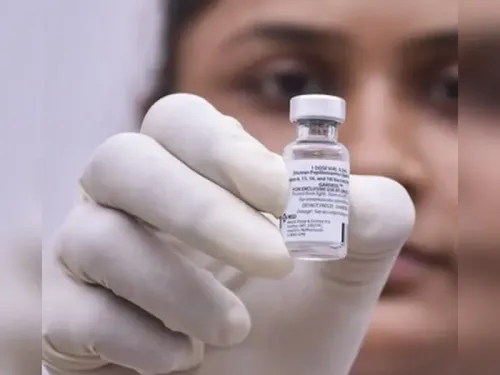
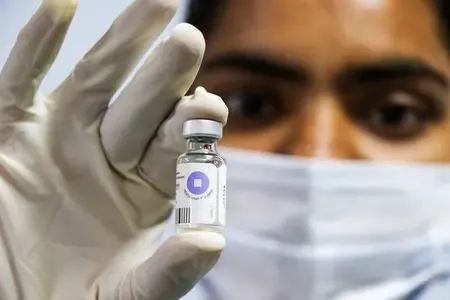
Newborns must receive the Hepatitis B vaccine within 24 hours of birth; those born to positive mothers also receive HBIG .
The state operates 50 laboratories across 42 districts plus 4 state-level labs under the NVHCP for free viral hepatitis testing.
The 'Mission Liver Smile' initiative was highlighted to address non-alcoholic fatty liver disease alongside infectious hepatitis.
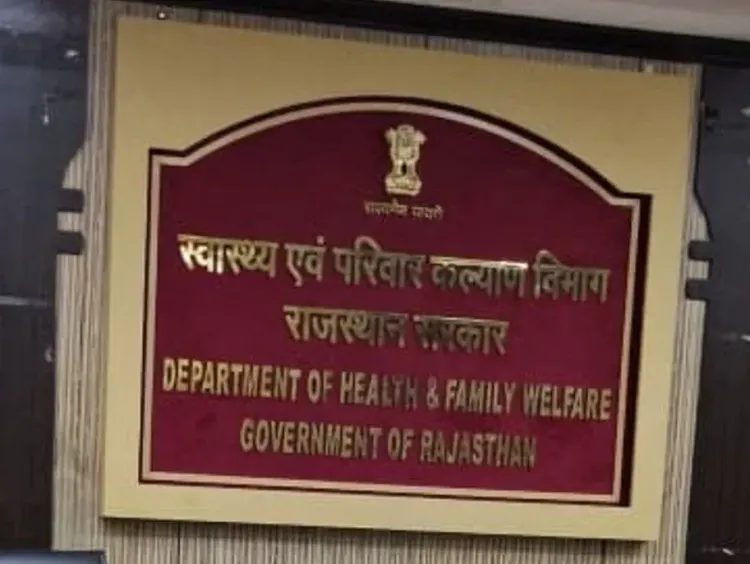
The Rajasthan Health Department on Monday, 28 July issued a public advisory urging residents to insist on fresh needles, new ink, and properly sterilised equipment when getting tattoos or body piercings, citing the risk of Hepatitis B and Hepatitis C transmission through contaminated instruments. The advisory was released on World Hepatitis Day as the state stepped up its drive to eliminate Hepatitis C by 2030 under the National Viral Hepatitis Control Programme (NVHCP).
Key Announcements by State Officials
Principal Secretary, Medical and Health, Gayatri Rathore confirmed that screening and treatment for both Hepatitis B and Hepatitis C are available free of cost at designated government health institutions across Rajasthan. She said the state is reinforcing testing, treatment, and preventive measures to meet the national elimination target. Rathore added that Hepatitis B vaccination is being administered to healthcare workers and other high-risk groups as a priority measure.
NHM Mission Director Jogaram stressed that newborns must receive the Hepatitis B vaccine within 24 hours of birth. In cases where the mother tests positive, the newborn should additionally receive Hepatitis B Immunoglobulin (HBIG) immediately after delivery for enhanced protection.
Protecting Pregnant Women and Newborns
All pregnant women visiting government health facilities in Rajasthan undergo mandatory Hepatitis B screening to prevent mother-to-child transmission, which officials identified as one of the leading causes of infection in the state. Where a pregnant woman tests positive, her delivery is conducted under specialist medical supervision at a designated healthcare facility, ensuring both maternal and neonatal safety.
Rajasthan's Testing Network Under NVHCP
The state has built an extensive diagnostic infrastructure under the NVHCP. Viral hepatitis testing and viral load analysis are available at four state-level laboratories in Jaipur, Jodhpur, Udaipur, and Ajmer, as well as 50 laboratories spread across 42 districts — covering medical colleges, district hospitals, sub-district hospitals, community health centres, and designated treatment centres. All these facilities offer free screening and treatment to eligible patients.
Mission Liver Smile and Broader Liver Health Push
Rathore also highlighted the state's 'Mission Liver Smile' initiative, launched to promote liver health and prevent non-alcoholic fatty liver disease — a condition increasingly linked to metabolic risk factors among urban and semi-urban populations. The initiative signals that Rajasthan's hepatitis response is now embedded within a wider liver-health framework, rather than treated as a standalone infectious-disease programme.
With the 2030 elimination deadline approaching, the convergence of free diagnostics, mandatory antenatal screening, newborn immunisation, and public awareness on tattooing practices represents Rajasthan's multi-pronged strategy to reduce the hepatitis burden across the state.
Point of View
Not just messaging. The harder question is coverage and uptake: infrastructure on paper does not guarantee that high-risk populations in remote districts actually access it. The inclusion of 'Mission Liver Smile' to address non-alcoholic fatty liver disease alongside viral hepatitis is a smart convergence, but dilutes focus at a time when the 2030 elimination target demands concentrated effort on Hepatitis C specifically. Whether Rajasthan can close the last mile on treatment adherence — not just diagnosis — will determine whether the 2030 target is met or merely cited.
NationPress
27 Oct 2026
Frequently Asked Questions
Why did the Rajasthan Health Department issue a tattoo safety advisory on World Hepatitis Day?
The department issued the advisory because contaminated needles, ink, and equipment used in tattooing and body piercing are a known route for Hepatitis B and C transmission. The advisory was timed to World Hepatitis Day, 28 July, to maximise public awareness as the state intensifies its drive to eliminate Hepatitis C by 2030.
Is Hepatitis B and C treatment free in Rajasthan?
Yes. Screening and treatment for both Hepatitis B and Hepatitis C are available free of cost at designated government health institutions across Rajasthan under the National Viral Hepatitis Control Programme (NVHCP).
What is Rajasthan's testing network for viral hepatitis?
The state has 50 laboratories across 42 districts, including medical colleges, district hospitals, sub-district hospitals, community health centres, and designated treatment centres. Four state-level laboratories in Jaipur, Jodhpur, Udaipur, and Ajmer also offer viral load analysis.
What protections exist for newborns against Hepatitis B in Rajasthan?
Newborns must receive the Hepatitis B vaccine within 24 hours of birth. If the mother tests positive for Hepatitis B, the newborn is also given Hepatitis B Immunoglobulin (HBIG) immediately after delivery for additional protection.
What is Rajasthan's 'Mission Liver Smile' initiative?
'Mission Liver Smile' is a state initiative launched to promote overall liver health and prevent non-alcoholic fatty liver disease, complementing the state's infectious hepatitis control efforts under the NVHCP.