India set to co-produce Javelin anti-tank missiles with US after LOA signing
Synopsis
India's signing of the Javelin LOA is more than a procurement deal — it is a co-production signal. With US Ambassador Sergio Gor explicitly flagging manufacturing possibilities on Indian soil, this agreement could mark the beginning of a deeper US-India defence industrial integration that goes well beyond buying and selling hardware.
Key Takeaways
India signed a Letter of Offer and Acceptance (LOA) for the Javelin anti-tank guided missile system on 28 August through the US Foreign Military Sales process.
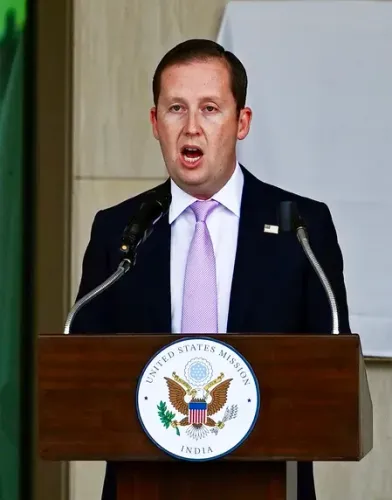
US Ambassador Sergio Gor confirmed the deal opens the door to co-production of the Javelin in India in the future.
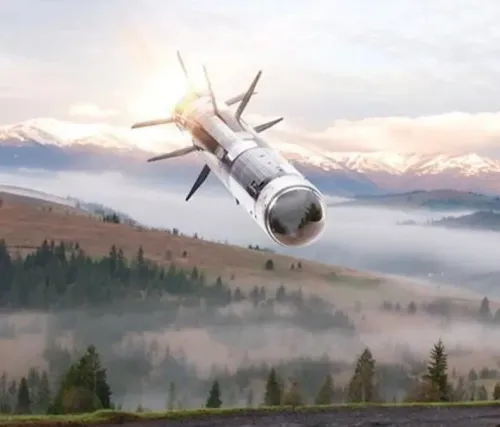
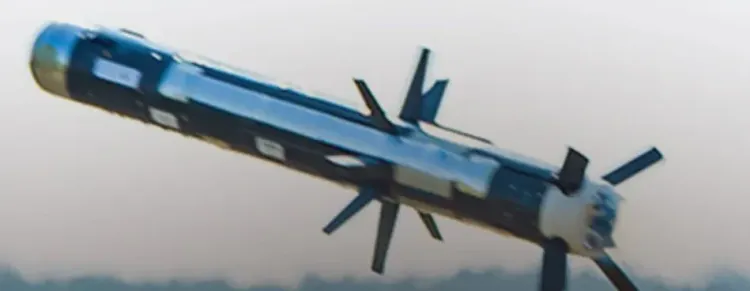
The Javelin is a man-portable, fire-and-forget missile jointly developed by Lockheed Martin and RTX , used by the US Army, US Marine Corps, and allied nations.
The system features a top-attack trajectory and soft-launch design , allowing it to be fired from enclosed structures such as bunkers and buildings.
The US Embassy described the agreement as strengthening the US-India Major Defence Partnership and creating new opportunities for both countries' defence industrial bases.
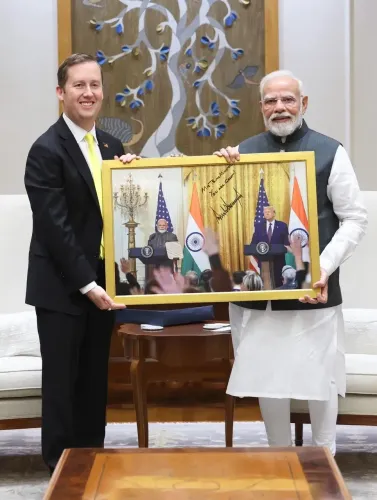
India has signed a Letter of Offer and Acceptance (LOA) for the purchase of the Javelin anti-tank guided missile system through the US Foreign Military Sales (FMS) process, with US Ambassador to India Sergio Gor confirming that co-production of the system on Indian soil is a real possibility in the future. The development marks a significant milestone in the US-India Major Defence Partnership, announced on 28 August from New Delhi.
What the LOA Signing Means
With the LOA in place, India formally becomes a customer of the Javelin system — an advanced, medium-range, fire-and-forget anti-tank guided missile jointly developed by Lockheed Martin and RTX. The US Army, US Marine Corps, and numerous allied nations already operate the system. The agreement was welcomed by the US Embassy in India, which described it as a reflection of the 'enduring partnership between the US and Indian Armed Forces.'
What the US Ambassador Said
Ambassador Gor posted on X: 'BIG news! India plans to buy the battle-tested Javelin anti-tank system. Just as @secwar highlighted at the May 2026 Shangri-La Dialogue, this is a great step forward in the US-India defence relationship and opens the door to co-production possibilities. The engagement between our two nations is at record-high levels!' In a separate statement quoted by the embassy, Gor said: 'This agreement reflects a defence partnership that is growing deeper, more capable, and more consequential.'
Technical Capabilities of the Javelin System
The Javelin is a man-portable, shoulder-fired system featuring an automatic guidance mechanism that allows the missile to track its target autonomously after launch — enabling the operator to take cover and avoid counterfire. The missile follows an arched top-attack trajectory, climbing above its target before striking armour at its weakest point. The gunner selects the target using a cursor, after which the command launch unit sends a lock-on-before-launch signal. Its soft-launch design allows firing safely from enclosed structures, including buildings and bunkers. The system is designed to engage a wide array of targets, including armoured vehicles and fortified positions.
Co-Production and Broader Defence Industrial Ties
The US Embassy noted that the LOA 'opens discussions on mutually beneficial co-production and additional opportunities to strengthen the defence industrial bases of both countries.' This comes amid a broader push by India to indigenise its defence supply chain under the Make in India initiative. Notably, the Javelin deal follows a pattern of high-value US defence transfers to India — including the MQ-9B drones — that have progressively included technology-sharing and manufacturing components. The embassy added that the agreement 'demonstrates the depth of US support for the Indian Army and creates new opportunities for our defence industries to work together.'
What Comes Next
The LOA signing is the formal first step in the FMS process; deliveries and timelines will be governed by subsequent contractual milestones. Co-production, if pursued, would require further government-to-government and industry-level negotiations. Defence analysts expect the Javelin deal to accelerate talks on a broader US-India Defence Industrial Cooperation Roadmap, a framework both sides have been developing since 2023. The trajectory of this partnership will be closely watched as India continues to diversify its defence procurement away from legacy Russian platforms.
Point of View
But the co-production language deserves scrutiny. Past US-India defence deals have dangled technology transfer and manufacturing promises that took years to materialise — if at all. India's defence indigenisation record with foreign platforms has been uneven. The real measure of this agreement will be whether co-production moves beyond diplomatic talking points into binding industrial commitments with timelines, IP-sharing terms, and domestic value-addition targets. That detail is conspicuously absent from the current announcement.
NationPress
13 Oct 2026
Frequently Asked Questions
What is the Javelin anti-tank missile system India has agreed to purchase?
The Javelin is an advanced, medium-range, fire-and-forget anti-tank guided missile jointly developed by Lockheed Martin and RTX. It is man-portable, shoulder-fired, and uses a top-attack trajectory to strike armoured vehicles and fortified positions at their weakest points. The US Army, US Marine Corps, and numerous allied nations operate the system.
What does the LOA signing mean for India?
By signing the Letter of Offer and Acceptance, India formally enters the US Foreign Military Sales process as a Javelin customer. It is the first binding step toward procurement and also opens formal discussions on co-production of the system in India.
Will the Javelin be manufactured in India?
Co-production in India has been flagged as a future possibility by US Ambassador Sergio Gor, but no binding agreement on manufacturing has been announced yet. Further government-to-government and industry-level negotiations would be required to formalise any co-production arrangement.
How does this deal fit into the broader US-India defence relationship?
The Javelin agreement is part of the US-India Major Defence Partnership, which has deepened significantly in recent years. It follows a pattern of high-value US defence transfers to India that increasingly include technology-sharing and manufacturing components, reflecting record-high engagement between the two nations according to the US Embassy.
What makes the Javelin technically significant for the Indian Army?
The Javelin's fire-and-forget capability allows operators to seek cover immediately after launch, reducing exposure to counterfire. Its soft-launch design permits firing from enclosed spaces such as buildings and bunkers, giving infantry greater tactical flexibility in both conventional and urban combat scenarios.