Will India Successfully Host the UN Troop Contributor Chiefs' Conclave from October 14?
Synopsis
The upcoming UN Troop Contributing Countries’ Chiefs Conclave in New Delhi promises to be a pivotal event for global peacekeeping efforts, uniting military leaders from over 30 nations. This convergence marks a significant moment for India as it showcases its commitment to international collaboration and peace.
Key Takeaways
India's role as a significant troop contributor is highlighted.
The conclave serves as a platform for dialogue and cooperation among nations.
Discussions will cover leveraging technology and best practices in peacekeeping.
Focus on enhancing military resilience through family engagement programs.
The conclave aims to reinforce global commitment to peace and security.
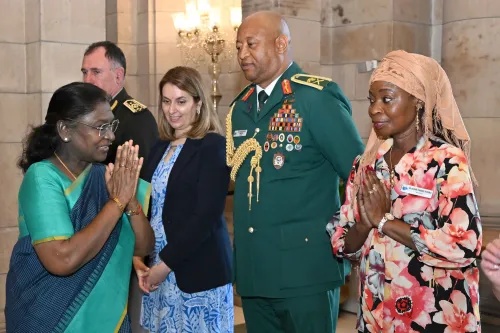
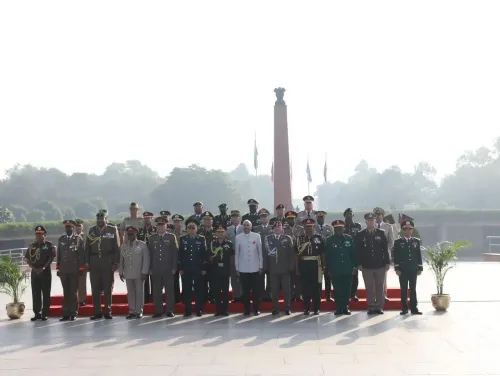
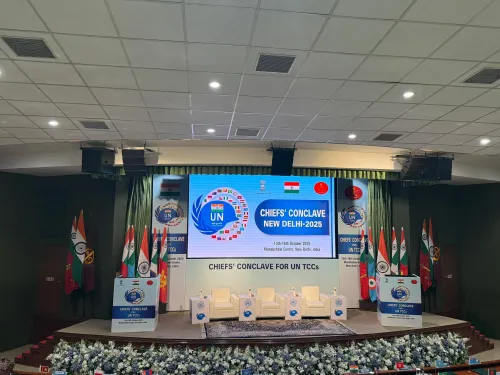
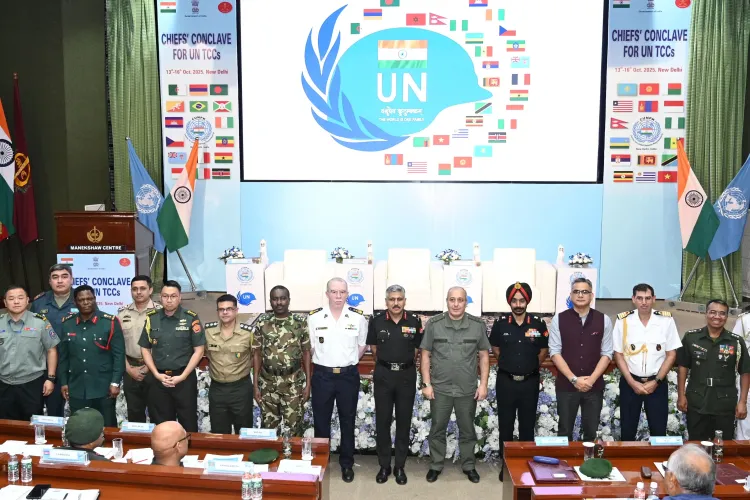
New Delhi, Oct 1 (NationPress) The Indian Army is set to host the United Nations Troop Contributing Countries’ (UNTCC) Chiefs Conclave from October 14 to 16 in New Delhi. This significant event will gather senior military leaders from over 30 nations that play vital roles in United Nations peacekeeping operations, as announced by the Ministry of Defence on Wednesday.
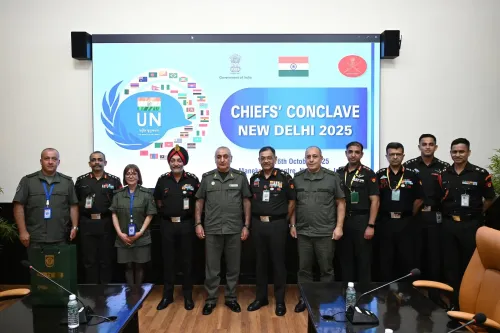
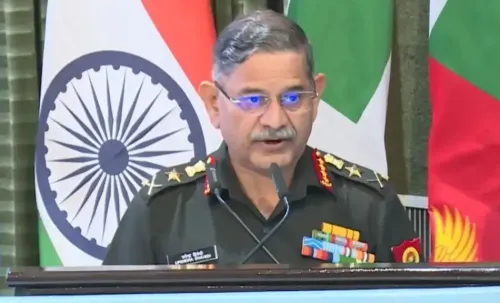
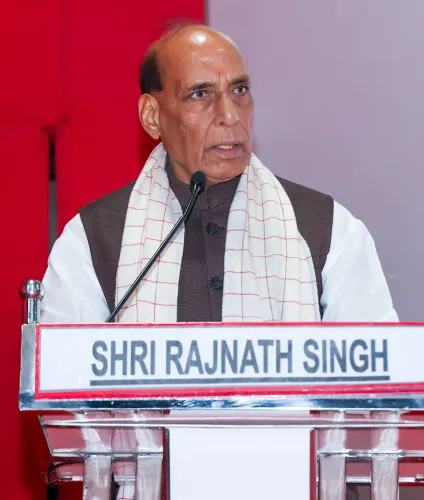
A Curtain Raiser was held at the Manekshaw Centre in New Delhi on October 1, during which Lt Gen Rakesh Kapoor, DCOAS (IS&T), provided insights into the framework for the upcoming Conclave.
The senior military official emphasized the importance of the conclave as a unique platform for UN Troop Contributing Countries to enhance dialogue, cooperation, and mutual understanding.
He also underscored India’s unwavering commitment to UN peacekeeping, noting India’s status as one of the largest troop contributors and the Indian Army’s eagerness to share its operational experiences, innovations, and best practices.
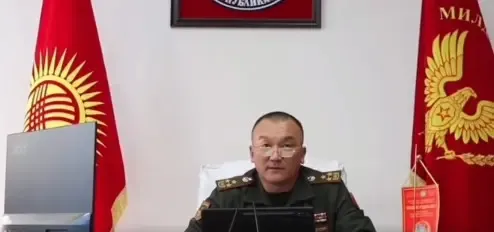
Noteworthy attendees at the UNTCC Chiefs Conclave will include chiefs and representatives from countries such as Bangladesh, Nepal, Sri Lanka, Bhutan, France, Italy, Algeria, Armenia, Brazil, Burundi, Cambodia, Cote D’Ivoire, Ethiopia, Fiji, Ghana, Indonesia, Kazakhstan, Kenya, Kyrgyzstan, Madagascar, Malaysia, Mongolia, Morocco, Nigeria, Tanzania, Uganda, Uruguay, Vietnam, Rwanda, and Senegal, along with India.
The three-day agenda will feature plenary sessions and discussions focusing on the efficacy of UN peacekeeping and fostering sustainable peace in today’s intricate operational landscapes. Topics will also include the utilization of technology for more effective peacekeeping and special spouse programs aimed at enhancing military resilience through family engagement.
The conclave aspires to solidify a collective commitment to global peace and security.
Discussions will center around themes such as “Strengthening peacekeeping cooperation” through improved dialogue, interoperability, and exchange of best practices, “Championing inclusivity” by advocating for a more significant role for troop-contributing nations in UN decision-making, “Leveraging indigenous technology”, and “Demonstrating India’s role as a collaborative and trustworthy partner in capacity-building for international peace maintenance.
Point of View
It is imperative to acknowledge India's proactive engagement with the international community through the hosting of the UNTCC Chiefs Conclave. This initiative not only reinforces India's standing as a major troop contributor but also emphasizes the significance of dialogue and cooperation in achieving global peace.
NationPress
23 Sept 2026
Frequently Asked Questions
What is the purpose of the UNTCC Chiefs Conclave?
The UNTCC Chiefs Conclave aims to enhance dialogue and cooperation among troop-contributing nations, focusing on effective UN peacekeeping and building sustainable peace.
When and where is the conclave taking place?
The conclave is scheduled from October 14 to 16 in New Delhi, India.
Which countries will participate in the conclave?
Over 30 nations will participate, including Bangladesh, Nepal, France, and Brazil, among others.
What topics will be discussed during the conclave?
Key discussions will focus on peacekeeping effectiveness, leveraging technology, and enhancing military resilience through family engagement.
How does this conclave benefit India?
Hosting the conclave highlights India's commitment to global peacekeeping and positions it as a collaborative partner in international security efforts.