Indian Army debunks Pakistan-linked fake claims of 'crackdown' on political party
Synopsis
A Pakistan-linked social media account fabricated a story of an Indian Army crackdown with two deaths — and used an old Jamia Millia Islamia protest photo to sell it. The Army responded with a swift public fact-check, identifying the footage as being from a 17 October hunger strike where no casualties occurred. The episode highlights a continuing pattern of cross-border disinformation targeting Indian security forces.
Key Takeaways
The Indian Army issued an official fact-check on 23 October 2026 countering a Pakistan-linked propaganda account on social media.
The fake claim alleged an Army crackdown with seven injured and two dead — all fabricated, per the Army.
The account used an old image from a Jamia Millia Islamia University students' protest to falsely implicate the Army.
The original footage is from a 17 October hunger strike at Jamia Millia Islamia during which no casualties were reported.
Jamia Millia Islamia separately announced a committee to draft a new Constitution for its Students' Union, dissolved since 2006 .
The Indian Army on Friday, 23 October 2026 issued an official fact-check rebutting disinformation spread by a Pakistan-linked propaganda account on social media, which falsely alleged that the military had conducted a crackdown on a political group referred to as the 'Cockroach Janta Party,' leaving casualties. The Army identified the claim as entirely fabricated and traced it to a misused archival image.
The False Claim
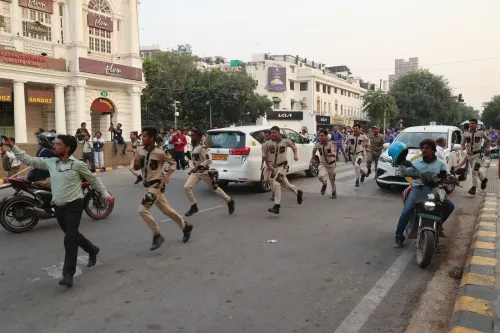
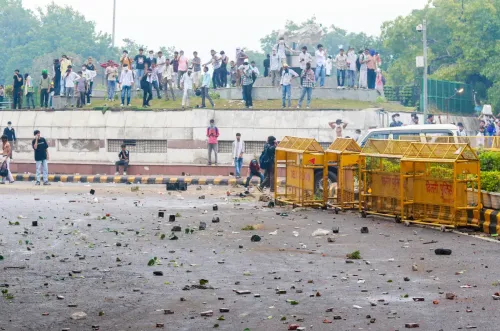
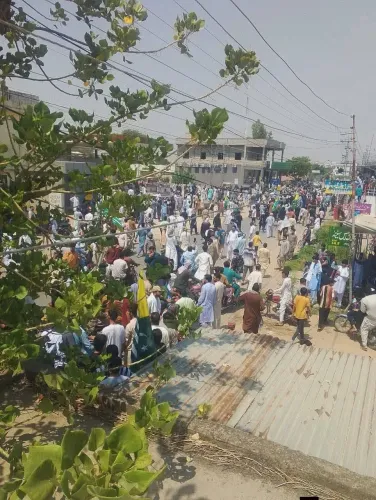
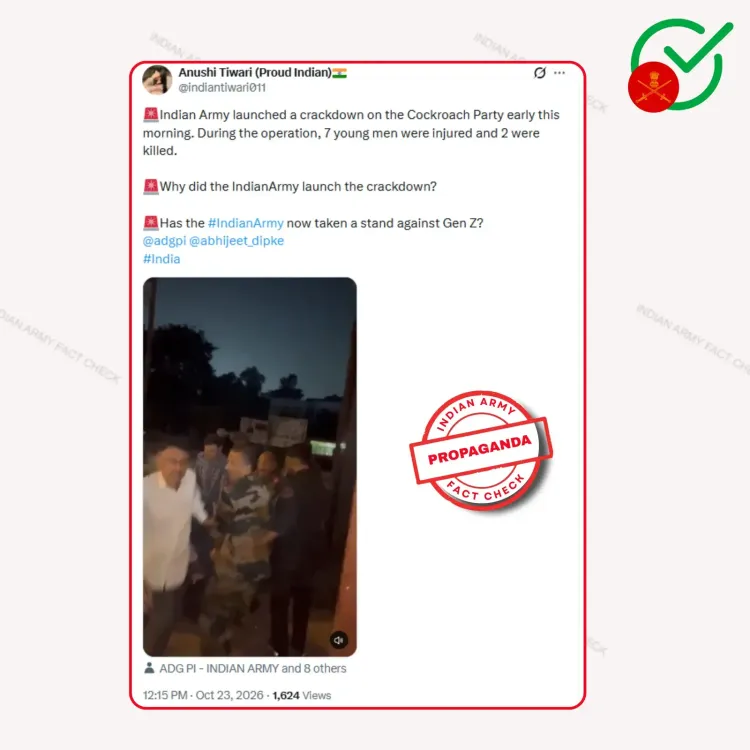
The propaganda account, operating under a fake Indian name, alleged that the Indian Army launched a crackdown on the morning of 23 October, purportedly injuring seven youths and killing two people. The account also falsely claimed that the Army had taken a stance against Gen Z. According to the Army's fact-check, the account used an old photograph of law enforcement personnel in action at a students' protest at Jamia Millia Islamia University in south Delhi to lend false credibility to the narrative.
What the Indian Army Said
In its fact-check issued on social media, the Army stated: 'Pakistan-linked propaganda account is circulating fake allegations that the Indian Army launched a crackdown on the Cockroach Party, on the morning of October 23, leaving seven youths injured and two dead. The Pakistan account with fake Indian name also falsely suggests that the Indian Army has taken a stand against Gen Z.'
The Army clarified that the original footage actually depicts security agency personnel managing a hunger strike at Jamia Millia Islamia University on 17 October, during which no casualties of any kind were reported.
Jamia Millia Islamia: A Parallel Development
Separately, Jamia Millia Islamia authorities announced the constitution of a committee to draft the Constitution of Jamia Millia Islamia Students' Union (JMISU), in furtherance of Article 23(J) & (K) of the JMI Act, 1988, according to an official from the university's Chief Public Relations department.
The committee will examine the circumstances that led to the dissolution of the JMISU in 2006, relevant court rulings, and the recommendations of the Lyngdoh Committee (2007). The university noted that in the nearly two decades since the union was dissolved, significant legal and institutional developments have taken place, warranting a fresh and comprehensive review of the matter.
Context and Pattern
This incident follows a recognisable pattern of cross-border information operations that exploit footage from routine domestic law-enforcement situations to construct false narratives implicating the Indian armed forces. The deliberate use of images from the Jamia Millia Islamia campus — a location that has historically been a focal point of student protests — underlines the targeted nature of such disinformation campaigns. This is not the first time Pakistan-linked accounts have been flagged by Indian security agencies for circulating doctored or out-of-context visuals. The Army's proactive rebuttal signals an evolving institutional posture of countering disinformation rapidly and publicly.
Frequently Asked Questions
What fake claim did the Pakistan-linked account make about the Indian Army?
The account falsely alleged that the Indian Army launched a crackdown on 23 October on a group called the 'Cockroach Janta Party,' claiming seven youths were injured and two people killed. The Indian Army stated these claims were entirely fabricated.
What was the original source of the image used in the fake post?
The image was taken from a security agency operation at Jamia Millia Islamia University during a hunger strike on 17 October. No casualties were reported during that event, according to the Indian Army's fact-check.
How did the Indian Army respond to the disinformation?
The Army issued an official fact-check on social media on 23 October, directly identifying the propaganda account as Pakistan-linked, explaining the actual origin of the footage, and confirming that no such crackdown took place.
What is the significance of the Jamia Millia Islamia students' union development?
Separately from the disinformation episode, Jamia Millia Islamia announced a committee to draft the Constitution of its Students' Union, which was dissolved in 2006. The committee will consider court rulings and Lyngdoh Committee recommendations before proposing a framework for reviving the union.
Is this the first time Pakistan-linked accounts have been flagged for spreading fake news about the Indian Army?
No. Indian security agencies and the Army have previously flagged multiple instances of Pakistan-linked accounts using out-of-context or doctored visuals to spread disinformation about Indian security forces, particularly in the context of events at sensitive locations.