Has Indian Railways Achieved an 18% Increase in LHB Coach Production?
Synopsis
In an impressive feat, Indian Railways has recorded an 18% increase in the production of high-tech LHB coaches this fiscal year. This achievement not only reflects enhanced manufacturing capabilities but also advances the goals of 'Atmanirbhar Bharat' and 'Make in India', ensuring safer and more comfortable travel for passengers across the nation.
Key Takeaways
Indian Railways has increased LHB coach production by 18% this fiscal year.
Over 4,224 LHB coaches have been manufactured up to November 2025.
The Integral Coach Factory, Chennai, leads production with 1,659 coaches.
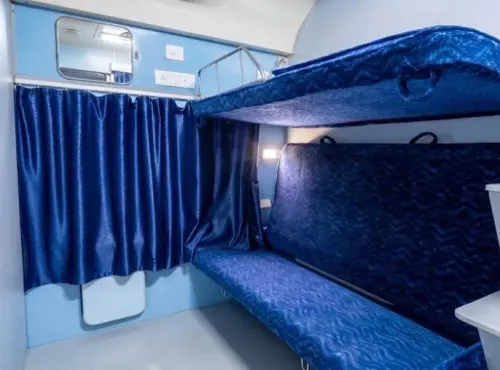
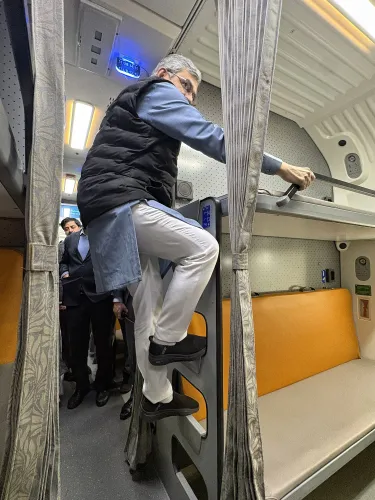
LHB coaches are safer, more comfortable, and designed for higher speeds.
Indian Railways is focused on enhancing self-reliance through domestic manufacturing.
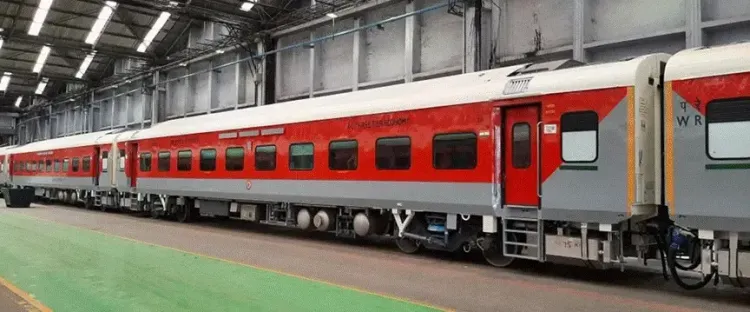
New Delhi, Dec 14 (NationPress) Indian Railways has achieved remarkable progress in the production of high-tech Linke Hofmann Busch (LHB) coaches that offer enhanced safety, superior riding comfort, and improved operational efficiency for passengers.
In the current financial year 2025-26 (up to November 2025), over 4,224 LHB coaches have been produced, marking an impressive 18 percent increase compared to the 3,590 coaches manufactured during the same period last year. This surge in production is indicative of the ongoing enhancement of manufacturing capabilities and optimized production strategies across various railway units, as stated by the Railways Ministry on Sunday.
Evaluating factory-specific performance for this timeframe, the Integral Coach Factory (ICF) in Chennai has successfully rolled out 1,659 LHB coaches, followed by the Modern Coach Factory (MCF) in Raebareli with 1,234 coaches and the Rail Coach Factory (RCF) in Kapurthala contributing 1,331 coaches to the overall production boost, as per the statement.
A long-term analysis reveals significant advancements over the years. From 2014 to 2025, Indian Railways produced over 42,600 LHB coaches, representing an 18-fold increase from the 2,300 coaches manufactured from 2004 to 2014. This growth highlights a sustained commitment to modernizing passenger rolling stock through the wider integration of LHB coaches, which are recognized for their superior safety standards and lower maintenance needs.
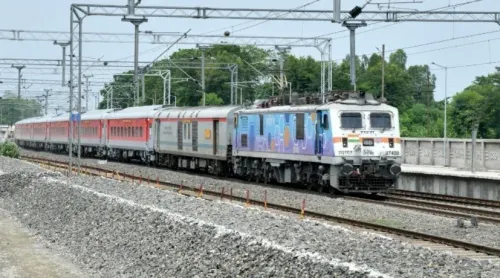
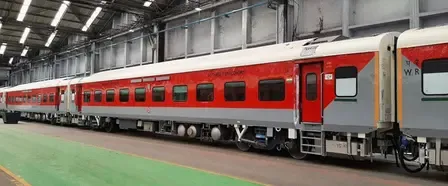
The Linke Hofmann Busch (LHB) coaches are state-of-the-art, safer, and more comfortable train cars utilized by Indian Railways, developed from a German design by Alstom. These coaches feature stainless steel bodies, advanced disc brakes, can reach speeds of up to 160 kmph, and include enhanced safety features such as anti-climbing devices, replacing older ICF coaches for premium and long-distance services like Rajdhani and Shatabdi Express trains.
Indian Railways continues to play a vital role in the objectives of ‘Atmanirbhar Bharat’ and the ‘Make in India’ initiative by bolstering domestic manufacturing capacities and decreasing reliance on imports. The organization is determined to further enhance its production capabilities to meet the increasing mobility demands of the nation while ensuring safer, smoother, and more enjoyable travel experiences for passengers, as highlighted in the statement.
Point of View
I acknowledge the significance of Indian Railways' achievements in LHB coach production. This not only enhances passenger safety and comfort but also aligns with national initiatives promoting self-reliance and domestic manufacturing. Such advancements are essential for meeting the growing mobility needs of the country and ensuring a modern rail infrastructure.
NationPress
23 Sept 2026
Frequently Asked Questions
What are LHB coaches?
LHB coaches, or Linke Hofmann Busch coaches, are modern passenger train cars designed with advanced safety and comfort features, developed from a German design, and are now widely used by Indian Railways.
How much has LHB coach production increased?
The production of LHB coaches has seen an impressive 18% increase this fiscal year, with over 4,224 coaches manufactured compared to 3,590 in the previous year.
What are the benefits of LHB coaches?
LHB coaches provide enhanced safety, superior riding comfort, better operational performance, and are designed for higher speeds up to 160 kmph, making them ideal for premium and long-distance services.
How does this impact Indian Railways' goals?
This increase in LHB coach production supports the goals of 'Atmanirbhar Bharat' and 'Make in India', showcasing Indian Railways' commitment to boosting domestic manufacturing and reducing import dependence.
What is the historical context of LHB coach production?
From 2014 to 2025, Indian Railways produced over 42,600 LHB coaches, marking an 18-fold increase from the 2,300 coaches manufactured between 2004 and 2014, reflecting a significant modernization effort.