India's 3-part truce plan called 'broadest' proposal for Russia-Ukraine war
Synopsis
India's three-part truce proposal for the Russia-Ukraine war — halting energy strikes, protecting Black Sea grain and fuel flows, and shielding commercial ships — has been called the 'broadest' initiative on the table by Ukraine's own foreign minister. With Russia dismissive and the US focused only on oil refineries, New Delhi has positioned itself as the most ambitious neutral broker in the conflict.
Key Takeaways
India has proposed a three-part ceasefire framework covering energy infrastructure, Black Sea maritime trade, and commercial shipping protection.
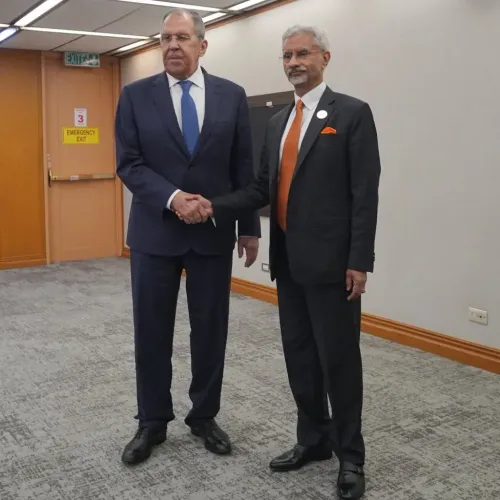
The proposal was conveyed during External Affairs Minister S.
Jaishankar's visit to Kyiv in September 2026 .
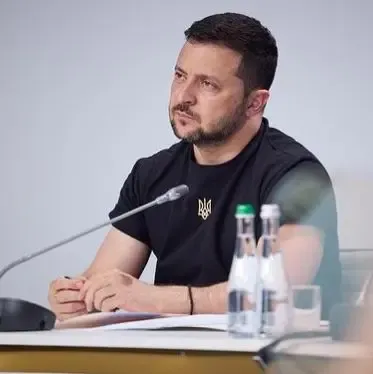
Ukrainian Foreign Minister Andrii Sybiha called India's plan the 'broadest' among four active proposals, saying Kyiv is ready for a combined energy and Black Sea ceasefire.
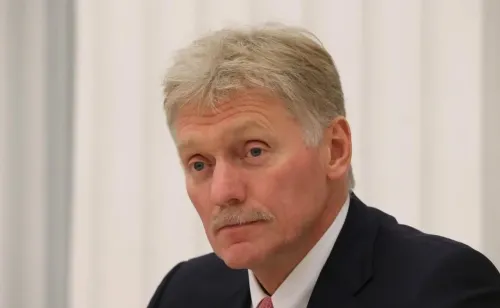
The Kremlin acknowledged India's efforts but called the plan limited, while Dmitry Peskov said no prospects for a diplomatic resolution currently exist.
Russia is now importing refined petroleum products from India , making the bilateral energy relationship reciprocal for the first time.
The IMF has raised India's GDP growth forecast to 7 per cent , reinforcing New Delhi's economic interest in a swift end to the conflict.
India has proposed a three-part truce framework for the Russia-Ukraine war that goes further than any competing initiative currently on the table, according to a report by the Geopolitical Monitor. The proposal — conveyed to Ukrainian officials during External Affairs Minister S. Jaishankar's visit to Kyiv in September 2026 — would halt attacks on energy facilities and infrastructure, protect grain and energy flows through Black Sea ports, and end strikes on commercial shipping.
What India's Proposal Covers
New Delhi's three-part framework is structured around three interlocking commitments: a complete ceasefire on strikes targeting energy infrastructure, including port facilities; the uninterrupted movement of grain and energy commodities through Black Sea trade routes; and protection for commercial vessels operating in the region. Analysts note that by bundling maritime security with energy protection, India's plan addresses dimensions that narrower ceasefire proposals have left unresolved.
The proposal stands in contrast to US President Donald Trump's current approach, which reportedly focuses on pressuring both sides to stop targeting each other's oil refineries — a narrower energy-sector arrangement. Separate initiatives by Turkey, Egypt, and the United States have each addressed individual aspects of the conflict without combining infrastructure protection with maritime trade guarantees.
Kyiv's Response: Open But Conditional
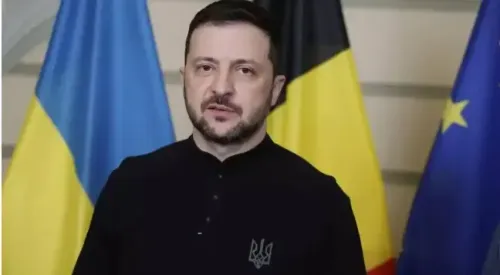
Ukrainian Foreign Minister Andrii Sybiha acknowledged the breadth of New Delhi's initiative, reportedly saying: 'We have four proposals. The broadest is India's proposal. We are ready for an energy and Black Sea ceasefire, but only in this combination.' Sybiha added that an energy ceasefire, as Kyiv defines it, would require a complete halt to strikes on all energy facilities, including port infrastructure — signalling that Ukraine would not accept a partial arrangement.
The remarks suggest that Kyiv is cautiously open to India's diplomatic framework, though final agreement would depend on Russia's position.
Moscow's Measured Reaction
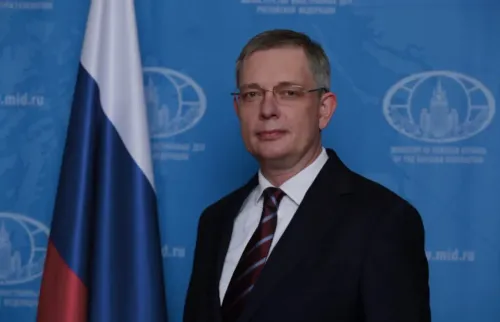
The Kremlin acknowledged India's efforts but described the plan as 'addressing only one specific aspect of a potential settlement', according to the report. Kremlin spokesperson Dmitry Peskov echoed assessments by US Secretary of State Marco Rubio that there were currently 'no prospects for a diplomatic resolution to the war', and that conditions for negotiations were 'not yet in place.'
Russia has consistently maintained that it seeks a 'sustainable just peace' rather than a temporary ceasefire, arguing that a truce would only allow Ukraine to regroup, rearm, and prepare for renewed hostilities. For Kyiv, an energy ceasefire in isolation — without addressing maritime security and commodity flows — is equally insufficient under present circumstances.
The Energy Trade Angle
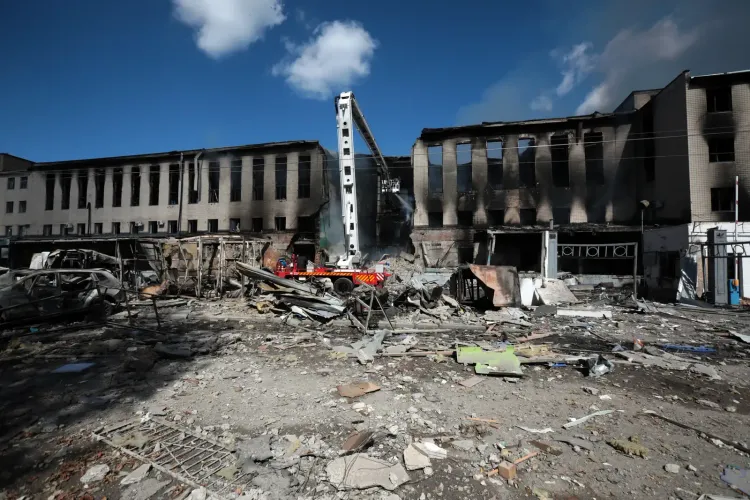
The report underscores a significant shift in the India-Russia energy relationship. While Russia continues to supply crude oil to India at discounted rates, Ukrainian strikes on Russian oil refineries have caused fuel shortages inside Russia, prompting Moscow to import refined petroleum products — including from India. This has made the bilateral energy relationship reciprocal rather than one-directional, giving New Delhi a stake in both sides of the conflict's energy equation.
Notably, Russia has been forced to import fuel from neighbouring Kazakhstan and Belarus, as well as from India, while suspending its own fuel exports — an indicator of the domestic pressure its energy sector is under.
India's Economic Calculus
India's diplomatic push is also driven by hard economic interests. The International Monetary Fund (IMF) has raised its GDP growth forecast for India to 7 per cent, and prolonged disruption to energy supplies, maritime trade routes, and global food markets carries costs that extend well beyond Europe. A ceasefire, the Geopolitical Monitor report argues, serves India's interests as much as it does its diplomatic standing — making New Delhi's engagement a convergence of principle and pragmatism.
As the war enters another winter with no diplomatic breakthrough in sight, whether India's three-part framework can bridge the gap between Kyiv's conditions and Moscow's resistance remains the central question.
Point of View
Not a ceasefire; Kyiv wants security guarantees, not just a pause. By bundling energy, maritime, and grain flows into a single package, New Delhi has made its plan harder to pick apart piecemeal, but also harder to accept in full. The reciprocal energy trade dynamic — Russia buying Indian refined products even as it sells crude — gives India unusual leverage with Moscow that no other neutral actor possesses. Whether New Delhi is prepared to deploy that leverage diplomatically, rather than simply benefit from it commercially, is the question mainstream coverage is not asking.
NationPress
18 Oct 2026
Frequently Asked Questions
What is India's three-part truce proposal for the Russia-Ukraine war?
India has proposed a framework that would halt strikes on energy facilities and infrastructure, ensure uninterrupted grain and energy flows through Black Sea ports, and end attacks on commercial ships. The proposal was conveyed to Ukrainian officials during External Affairs Minister S. Jaishankar's visit to Kyiv in September 2026.
How has Ukraine responded to India's ceasefire proposal?
Ukrainian Foreign Minister Andrii Sybiha described India's plan as the 'broadest' among four active proposals, saying Kyiv is willing to accept a combined energy and Black Sea ceasefire — but only as a package, not in parts. Ukraine insists an energy ceasefire must include a complete halt to strikes on all energy facilities, including port infrastructure.
What is Russia's position on India's truce framework?
The Kremlin acknowledged India's diplomatic efforts but described the plan as addressing only one specific aspect of a potential settlement. Kremlin spokesperson Dmitry Peskov said there were no current prospects for a diplomatic resolution, echoing the US Secretary of State's assessment.
Why does India have a strategic interest in ending the Russia-Ukraine war?
India has economic and diplomatic incentives to end the conflict. The IMF has raised India's GDP growth forecast to 7 per cent, and prolonged disruption to energy markets, Black Sea trade routes, and global food supply chains carries real costs for New Delhi. India also imports Russian crude oil and now exports refined petroleum products to Russia, giving it a stake in stability on both sides.
How does India's proposal differ from US, Turkish, and Egyptian initiatives?
US President Donald Trump's current efforts focus narrowly on stopping strikes on oil refineries. Turkish and Egyptian proposals have addressed individual aspects of the conflict without combining energy protection with maritime trade and commercial shipping guarantees. India's three-part framework is the only one to link all three elements in a single package, which is why Ukraine has called it the broadest proposal.