Zelensky backs Trump energy ceasefire, awaits US details as Russia silent
Synopsis
Trump declared an ‘effective immediately’ energy ceasefire between Russia and Ukraine on Truth Social — but neither side was apparently told in advance. Zelensky says Ukraine is on board if Russia is; Moscow has said nothing. With no monitoring mechanism, no listed facilities, and a near-identical announcement last month that both sides ignored, the credibility of this truce is already in question — and India, which routes 30% of its Russian energy through the Black Sea, is watching closely.
Key Takeaways
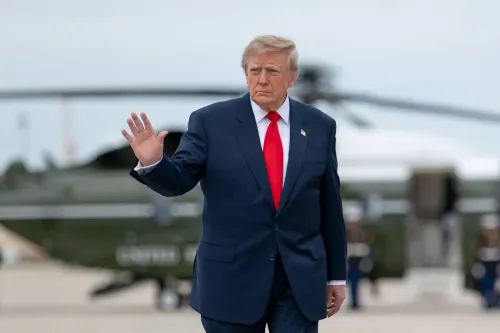
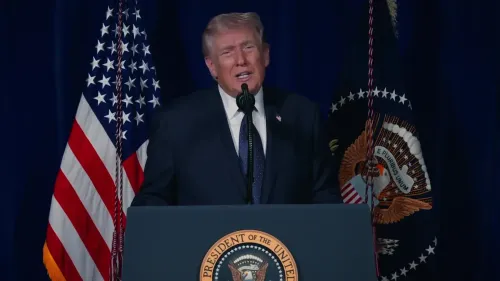
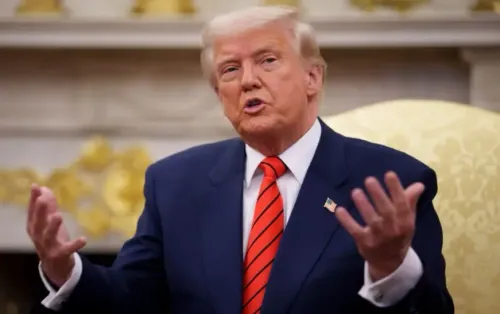
US President Donald Trump declared an “energy ceasefire” between Russia and Ukraine on 11 October 2026 , effective immediately, via Truth Social .
President Zelensky said Kyiv supports the truce but stressed Russia must also agree; the Kremlin had not confirmed by midday Sunday.
A senior Ukrainian official said Kyiv had no prior information about the ceasefire and doubted Russia had been informed.
A near-identical Trump announcement last month went unconfirmed by both sides, with attacks on energy infrastructure continuing.
India has proposed a three-part ceasefire framework; Black Sea ports account for almost 30% of Russian energy flows to India.
The diesel deal Trump unveiled two days earlier has revived scrutiny over US tariffs of up to 100% on buyers of Russian oil, including India.
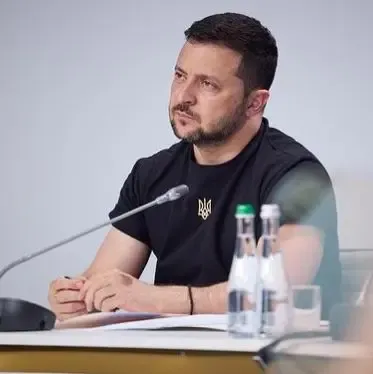
Ukrainian President Volodymyr Zelensky on Sunday, 11 October 2026, said Kyiv supports the “energy ceasefire” declared by US President Donald Trump and was awaiting specifics from Washington, while stressing that Russia must also endorse the truce — something Moscow had yet to do publicly by midday on Sunday.
How the Announcement Unfolded
Trump first declared the truce on his Truth Social platform, writing: “Effective immediately, there is an energy ceasefire in the War between Russia and Ukraine. Both parties have agreed. Do not break it!” The White House repeated the announcement on X approximately 20 minutes later. However, Trump did not specify when the agreement was reached, which facilities it covered, how long it would last, or how it would be monitored.
Zelensky initially said the announcement came as a surprise. “The ceasefire announcement was news for me. But if Russians agree to an energy ceasefire, Ukraine will agree,” he told Axios shortly after Trump’s post. A senior Ukrainian official told the Kyiv Independent that Kyiv had no prior information about the ceasefire and doubted that Russia had been informed either.
Zelensky’s Position
Writing on X after calls with Canadian Prime Minister Mark Carney, Finnish President Alexander Stubb, and NATO Secretary General Mark Rutte, Zelensky said: “Ukraine supports the ceasefire, and it is important that Russia support it as well. We are awaiting details from the American side.”
“For our part, Ukraine always fully supports steps toward de-escalation, the protection of lives, and the decisions needed to end the war and guarantee lasting peace,” he added. Earlier on Sunday, Zelensky had offered a reciprocal halt, saying Ukraine would be “ready to stop striking Russian oil refineries if Russia stops striking our energy infrastructure.”
Moscow’s Silence and a Pattern of Unconfirmed Deals
The Kremlin had not publicly confirmed the arrangement by midday on Sunday. Notably, this is not the first such announcement. Last month, Trump declared on Truth Social that both sides had agreed not to strike each other’s energy targets — but neither Russia nor Ukraine confirmed a deal at the time, and both sides continued attacking energy infrastructure, according to reports.
The latest announcement came two days after Trump unveiled a separate agreement with Russian President Vladimir Putin to release Russian diesel into American and global markets — a move criticised by Ukraine, European officials, and US lawmakers from both parties. On Saturday, Trump blamed Zelensky for continuing drone attacks on Russian refineries and said Ukraine should “get a new leader who can make a deal.”
India’s Stake in the Conflict
India has a direct interest in the outcome of any energy truce. New Delhi has reportedly proposed a three-part ceasefire framework that would halt attacks on energy and other infrastructure, keep grain and energy flowing through Black Sea ports, and end strikes on commercial shipping, according to reports citing sources familiar with the proposal. Black Sea ports account for almost 30 per cent of Russian energy flows to India.
External Affairs Ministry spokesperson Randhir Jaiswal said on 7 October: “India is trying to be helpful, starting with the Black Sea safety of shipping issue, addressing immediate concerns of Russia and Ukraine on grain and energy exports and non-attack possibilities.” There was no immediate reaction from New Delhi to Trump’s latest announcement.
The diesel deal has also renewed scrutiny in the US over Washington’s approach to India’s purchases of Russian oil, coming less than a month after Trump signed legislation authorising tariffs of up to 100 per cent on major buyers of Russian oil and gas, including India. Russia and Ukraine have repeatedly struck each other’s energy infrastructure since Moscow’s full-scale invasion in February 2022.
How quickly Washington provides the promised details — and whether Moscow formally endorses the truce — will determine whether this energy ceasefire holds or follows the pattern of its unconfirmed predecessor.
Point of View
Facility list, or timeline is not a minor detail; it is the mechanism itself, or rather the lack of one. For India, the stakes are concrete: 30% of its Russian energy supply runs through the Black Sea, and a fresh tariff threat of up to 100% on Russian oil buyers sits in US law, barely a month old. New Delhi’s three-part ceasefire proposal signals it is not merely a spectator, but its leverage depends on a war dynamic that Washington appears to be managing unilaterally and unpredictably.
NationPress
12 Oct 2026
Frequently Asked Questions
What is the energy ceasefire announced by Trump?
US President Donald Trump declared on Truth Social on 11 October 2026 that an energy ceasefire between Russia and Ukraine was effective immediately, with both parties having agreed. He did not specify which facilities are covered, how long it lasts, or how it will be monitored.
Did Ukraine agree to the energy ceasefire?
President Zelensky said Ukraine supports the ceasefire but stressed that Russia must also agree. Initially, Zelensky said the announcement was news to him; a senior Ukrainian official said Kyiv had no prior information and doubted Russia had been informed.
Has Russia confirmed the energy ceasefire?
No. The Kremlin had not publicly confirmed the arrangement by midday on Sunday, 11 October 2026. Moscow’s silence mirrors the previous month’s similar announcement, which Russia also did not formally endorse.
Has this kind of ceasefire been announced before?
Yes. Last month, Trump similarly declared on Truth Social that Russia and Ukraine had agreed not to strike each other’s energy targets. Neither side confirmed the deal at the time, and both continued attacking energy infrastructure, according to reports.
Why does India have a stake in the Russia-Ukraine energy ceasefire?
India relies heavily on Russian energy, with Black Sea ports accounting for almost 30% of Russian energy flows to India. New Delhi has proposed a three-part ceasefire framework covering energy infrastructure, Black Sea shipping, and grain flows, and faces a potential US tariff of up to 100% on buyers of Russian oil and gas.