India's defence exports surge from ₹1,000 crore to ₹39,000 crore: Rajnath Singh
Synopsis
India's defence exports have multiplied nearly 39 times in a decade — from ₹1,000 crore to ₹39,000 crore — while domestic production has crossed ₹1.78 lakh crore. Rajnath Singh's Vadodara address frames this not as an endpoint but as a launchpad, with semiconductors, AI, and quantum computing set to define the next phase of India's strategic self-reliance.
Key Takeaways
Defence Minister Rajnath Singh disclosed that India's defence exports rose from ₹1,000 crore in 2014 to approximately ₹39,000 crore .
Domestic defence production grew from ₹46,000 crore to ₹1.78 lakh crore over the same period.
Growth was driven by Atmanirbhar Bharat , Make in India , the Defence Acquisition Procedure , and the Technology Development Fund .
Gujarat's semiconductor hubs in Sanand and Dholera were cited as key to the next phase of defence-technology growth.
Singh welcomed foreign OEM collaboration and technology transfer, provided the core benefits accrue to India.
The minister described current achievements as 'only the beginning', signalling further ambition in AI , quantum computing , cybersecurity , and space technology .
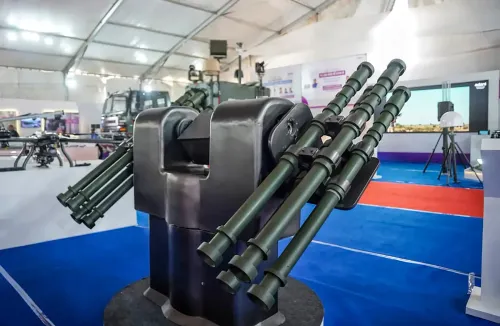
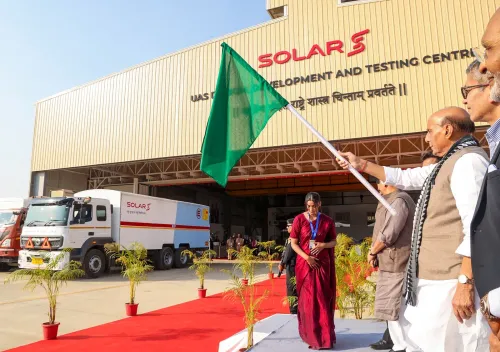
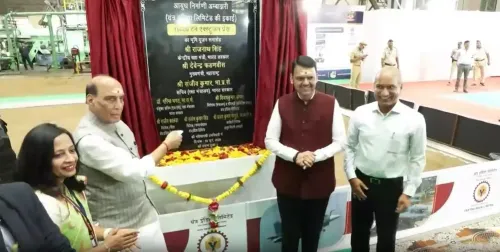
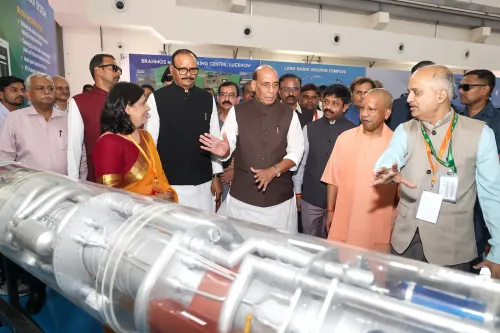
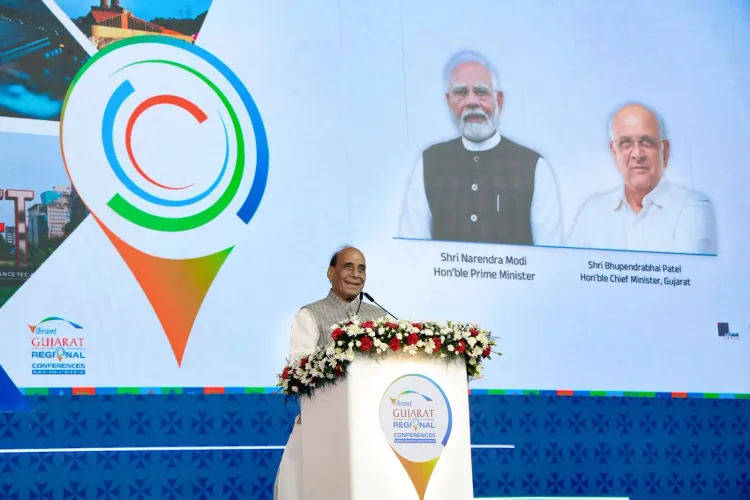
Defence Minister Rajnath Singh on Tuesday, 30 June revealed that India's defence exports had climbed from approximately ₹1,000 crore in 2014 to around ₹39,000 crore, crediting a decade of structural reforms that prioritised domestic manufacturing and private-sector participation. Singh made the announcement at the valedictory session of the Vibrant Gujarat Regional Conference (VGRC) in Vadodara.
A Decade of Defence Growth
Singh told delegates that India's defence landscape had been fundamentally transformed over the past ten years. 'There was a time when India depended heavily on other countries to meet its defence requirements, importing much of what it needed. But today, India is rapidly moving forward in the fields of defence manufacturing and exports,' he said.
Domestic defence production figures underscored the shift. Singh noted that production had risen from roughly ₹46,000 crore in 2014 to ₹1.78 lakh crore at present — a near four-fold increase that he described as a structural, not cyclical, gain.
What Drove the Expansion
The minister attributed the growth to a combination of policy levers and market forces: the Atmanirbhar Bharat campaign, the Make in India initiative, the Defence Acquisition Procedure, and the Technology Development Fund. Together, these frameworks have strengthened India's aerospace and defence industrial base, he said.
Singh also pointed to the role of start-ups and private-sector entrants in energising the ecosystem. 'The success of indigenous platforms, the growing participation of the private sector and the new energy brought by start-ups have together created a strong defence ecosystem in India,' he said. Capital procurement provisions in the Union Budget are additionally designed to integrate domestic industries into global supply chains, he added.
Gujarat's Strategic Role
Singh singled out Gujarat as a critical node in India's next phase of defence and technology growth, citing the state's industrial infrastructure, skilled workforce, and entrepreneurial culture. He specifically highlighted the expanding semiconductor ecosystem taking shape in Sanand and Dholera.
'I believe that both future warfare and the future economy will run on chips,' Singh said, signalling that semiconductors, alongside artificial intelligence, quantum computing, cybersecurity, and space technology, would become central to India's defence capabilities in the years ahead.
Self-Reliance Without Isolation
Singh was careful to frame India's self-reliance drive as complementary to, rather than a rejection of, global partnerships. 'We wholeheartedly welcome collaboration with foreign Original Equipment Manufacturers. We also encourage technology transfer and joint ventures. However, our endeavour is always to ensure that the real benefits accrue on Indian soil, to the people of India, and that India's own capabilities are built here,' he said.
He concluded by urging industry partners to back India's self-reliance mission, stressing that the country's goal was to develop products — designed and manufactured in India — that could serve both domestic requirements and international markets. Despite the scale of progress recorded, Singh cautioned against complacency: 'I believe this is only the beginning. We still have to go much further,' he added. The next phase of growth, he indicated, will depend on how swiftly India can move up the value chain in advanced technologies.
Point of View
But a significant share is still concentrated in lower-value items — ammunition, components, and legacy platforms — rather than high-end systems that command strategic leverage. The pivot to semiconductors and AI that Singh outlined in Vadodara is the right direction, but Sanand and Dholera remain works in progress. The deeper question is whether India's private defence sector, still nascent in R&D spending relative to global peers, can sustain export momentum once the low-hanging fruit of import substitution is exhausted. Self-reliance and global competitiveness are not the same target.
NationPress
29 Sept 2026
Frequently Asked Questions
How much have India's defence exports grown since 2014?
India's defence exports have risen from approximately ₹1,000 crore in 2014 to around ₹39,000 crore, according to Defence Minister Rajnath Singh. He attributed the nearly 39-fold increase to domestic manufacturing reforms and greater private-sector participation.
What is India's current domestic defence production figure?
Domestic defence production has grown from roughly ₹46,000 crore in 2014 to ₹1.78 lakh crore at present, as stated by Rajnath Singh at the Vibrant Gujarat Regional Conference in Vadodara on 30 June.
Which policies drove India's defence manufacturing growth?
Singh credited the Atmanirbhar Bharat campaign, Make in India, the Defence Acquisition Procedure, and the Technology Development Fund as the primary policy drivers. Private-sector participation and defence-focused start-ups also played a significant role, he said.
What role will Gujarat play in India's defence future?
Rajnath Singh identified Gujarat as a key hub for the next phase of defence and technology growth, pointing to semiconductor projects in Sanand and Dholera. He said future warfare and economic competitiveness would increasingly depend on chips and advanced technologies such as AI and quantum computing.
Does India's self-reliance push mean it will stop working with foreign defence companies?
No. Singh explicitly said India welcomes collaboration with foreign Original Equipment Manufacturers, including technology transfer and joint ventures. The government's condition is that the primary economic and capability benefits must accrue within India.