India's digital education push covers 1.49 lakh schools, 1.76 lakh smart classrooms
Synopsis
India's Centre has released a sweeping set of education-tech metrics: 1.49 lakh schools covered, 6.1 crore SWAYAM enrolments, 10,000 Atal Tinkering Labs, and 36.48 lakh JSS-trained beneficiaries since 2018. The numbers signal massive reach — but independent data on actual learning outcomes remains the missing piece.
Key Takeaways
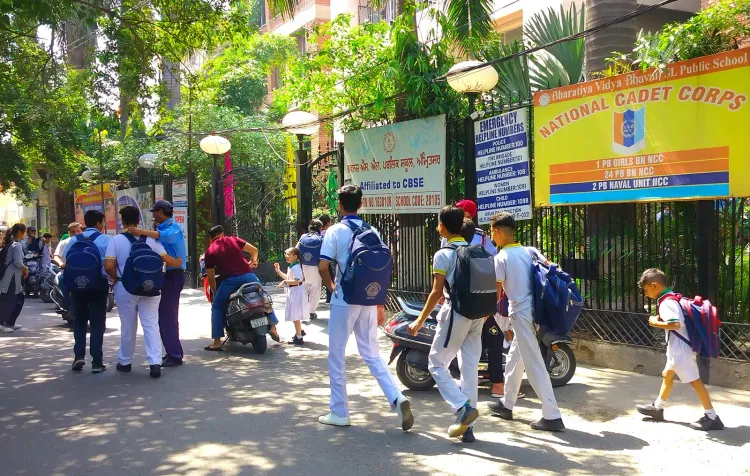
Over 1.49 lakh schools covered under ICT and digital initiatives; 1.76 lakh smart classrooms and 1.79 lakh ICT labs sanctioned.
SWAYAM offers 18,580+ courses with 6.1 crore enrolments and 53.7 lakh certifications .
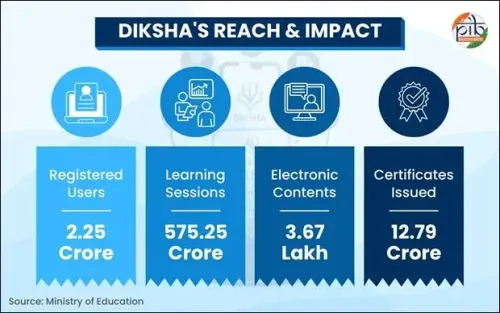
DIKSHA hosts over 3.66 lakh e-content resources in 135 languages .
One Nation One Subscription benefits nearly 99 lakh users across 7,414 institutions .
Atal Innovation Mission has set up 10,000+ Tinkering Labs , supported 6,700+ startups , and generated 32,000+ jobs .
JSS trained 36.48 lakh beneficiaries between 2018 and March 2026 ; 26,519 tribal beneficiaries trained as of 31 March 2026 .
India's digital and education reform drive has reached over 1.49 lakh schools under Information and Communication Technology (ICT) and related initiatives, with more than 1.76 lakh smart classrooms and 1.79 lakh ICT laboratories sanctioned, the government announced on Saturday, 13 June. The figures, released by the Centre, reflect the scale of infrastructure deployment under ongoing national education technology programmes.
Digital Learning Platforms at Scale
SWAYAM, the government's open online course platform, now offers over 18,580 courses and has recorded more than 6.1 crore enrolments and 53.7 lakh certifications. Complementing it, SWAYAM PRABHA, PM e-VIDYA, and DIKSHA have expanded learning access through television, radio, digital content, and e-resources. DIKSHA alone hosts over 3.66 lakh e-content resources across 135 languages, making it one of the most linguistically diverse public learning repositories in the world.
Higher Education and Research Access
At the higher education level, the One Nation One Subscription initiative has extended access to academic and research resources across 7,414 institutions, benefiting nearly 99 lakh users. The initiative is designed to reduce the disparity between well-funded urban universities and under-resourced regional colleges in accessing peer-reviewed journals and research databases.
Atal Innovation Mission: Labs, Startups, Jobs
The Atal Innovation Mission has established over 10,000 Atal Tinkering Labs, empowering more than 1.1 crore students and supporting the development of over 16 lakh projects in emerging technologies. Additionally, 72 Atal Incubation Centres have supported over 6,700 startups and helped generate more than 32,000 jobs. India's broader startup ecosystem has grown to over 2.3 lakh recognised startups, according to the government statement.
Grassroots Skill Development Through JSS
Skill development at the grassroots level received a structural push following the transformation of Jan Shikshan Sansthans (JSS) in 2018. Courses tailored to local demand — covering tailoring, embroidery, handicrafts, food processing, and health-related services — have trained a total of 36.48 lakh beneficiaries between 2018 and 31 March 2026. Since December 2024, JSS products have been marketed on the UdyamKart portal, directly connecting artisans and micro-entrepreneurs with buyers. As of 31 March 2026, 26,720 tribal beneficiaries had enrolled and 26,519 had been trained under the programme.
What the Government Said
'India's startup ecosystem also grew significantly, with over 2.3 lakh recognised startups. Through digital platforms, inclusive programmes, and community participation, the country's youth have emerged as the Amrit Peedhi, contributing to the vision of Viksit Bharat 2047,' the government statement said. The data collectively positions the Centre's education technology effort as one of the largest state-led digital learning deployments globally, though independent assessments of learning outcomes remain limited.
Point of View
Not whether learners retained skills or found employment. The 53.7 lakh certifications against 6.1 crore enrolments — a completion rate of under 9% — is a figure that deserves scrutiny, not celebration. Similarly, the Atal Tinkering Labs count of 10,000 says nothing about the quality of mentorship or the fate of the 16 lakh projects developed. India has a pattern of conflating infrastructure deployment with educational transformation; the Viksit Bharat 2047 narrative will need outcome metrics, not just reach metrics, to be credible.
NationPress
27 Oct 2026
Frequently Asked Questions
How many schools have been covered under India's ICT and digital education initiatives?
Over 1.49 lakh schools have been covered under ICT and digital initiatives, with more than 1.76 lakh smart classrooms and 1.79 lakh ICT laboratories sanctioned, according to the government's statement on 13 June.
What is SWAYAM and how many students have enrolled?
SWAYAM is the government's open online course platform offering over 18,580 courses. It has recorded more than 6.1 crore enrolments and 53.7 lakh certifications, making it one of the largest public e-learning platforms in India.
What is the One Nation One Subscription initiative?
One Nation One Subscription is a Centre-led programme that provides access to academic and research resources across 7,414 higher education institutions, benefiting nearly 99 lakh users. It aims to bridge the research-access gap between well-funded and under-resourced colleges.
How many students have the Atal Tinkering Labs reached?
The Atal Innovation Mission has established over 10,000 Atal Tinkering Labs, empowering more than 1.1 crore students and supporting the development of over 16 lakh projects in emerging technologies.
What is Jan Shikshan Sansthan and who has it trained?
Jan Shikshan Sansthan (JSS) is a grassroots skill development programme transformed in 2018 to offer courses in tailoring, handicrafts, food processing, and health services. A total of 36.48 lakh beneficiaries were trained between 2018 and 31 March 2026, including 26,519 tribal beneficiaries.