CM Fadnavis Hails Vikram-1 as India's Private Space Leap
Synopsis
Maharashtra CM Devendra Fadnavis celebrated Skyroot Aerospace's Vikram-1 as India's first privately developed orbital launch vehicle, placing India third globally in private orbital launch capability and crediting PM Modi's Atmanirbhar Bharat vision.
Key Takeaways
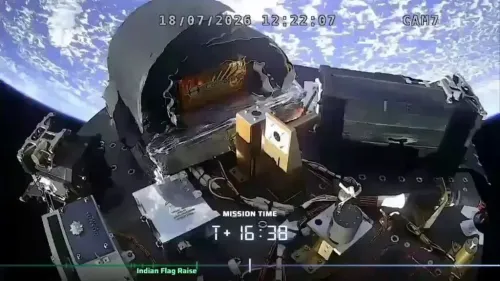
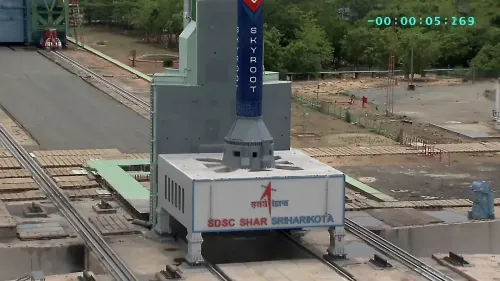
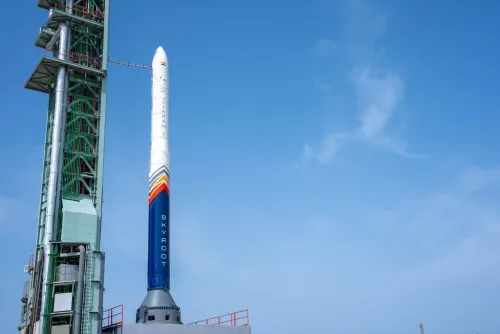
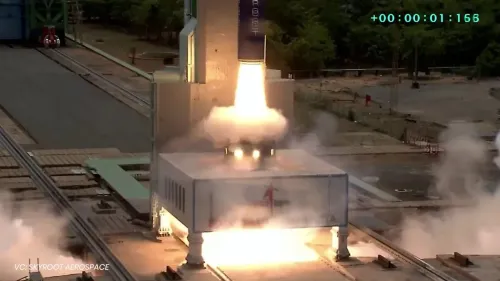
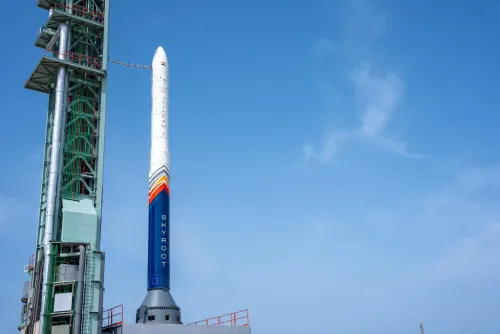
Vikram-1 by Skyroot Aerospace achieved India's first successful orbital flight by a privately developed launch vehicle on 18 July 2026 .
India became only the third nation globally to possess indigenous private orbital launch capability.
Maharashtra CM Devendra Fadnavis credited the milestone to PM Narendra Modi's vision and India's engineering excellence.
The achievement stems from 2020 space-sector reforms that created IN-SPACe to license private launch operators.
Skyroot Aerospace , based in Hyderabad , has been developing the Vikram rocket series since 2018 .
The milestone is expected to attract commercial satellite contracts and strengthen India's position in the global space economy.
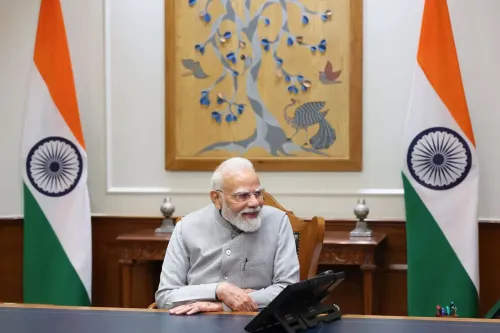
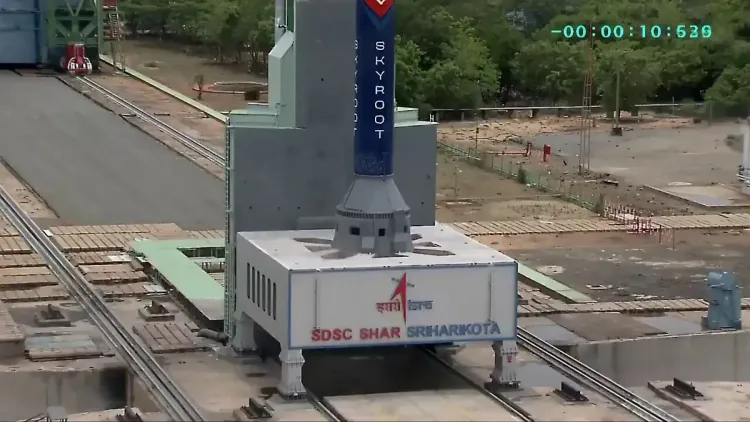
Maharashtra Chief Minister Devendra Fadnavis on Saturday, 18 July 2026, celebrated the successful orbital launch of Vikram-1 by Skyroot Aerospace, calling it a proud milestone in India's space journey and crediting the achievement to Prime Minister Narendra Modi's vision of self-reliance and indigenous innovation.
Context
Fadnavis took to X to describe the Vikram-1 launch as the 'first orbital flight of India's first privately developed launch vehicle,' adding that the feat makes India only the third nation to possess indigenous private orbital launch capability. He tagged Prime Minister Narendra Modi and Skyroot Aerospace in the post, using the hashtags #IndiaWithVikram1 and #MissionAagaman. The post was accompanied by a video, underlining the significance the ruling establishment attaches to the milestone.
Skyroot Aerospace, headquartered in Hyderabad, has been developing the Vikram series of small satellite launch vehicles since 2018, naming the rockets after Vikram Sarabhai, the father of the Indian space programme. Vikram-1 is designed as a small-lift launch vehicle capable of placing payloads into orbit.
Policy Backdrop
The launch is a direct outcome of landmark space-sector reforms introduced in 2020, when the Government of India created IN-SPACe (Indian National Space Promotion and Authorisation Centre) to license and promote private participation in space activities. Those reforms, championed under the Atmanirbhar Bharat framework, opened government launch infrastructure and technical expertise to commercial players for the first time.
India's state-led programme had already demonstrated formidable orbital capability — most visibly with the Chandrayaan-3 mission in 2023, which achieved a soft landing near the lunar south pole. Private firms such as Skyroot subsequently built on that institutional knowledge, with IN-SPACe providing the regulatory runway. The progression mirrors transitions seen in the United States and Europe, where commercial launch vehicles reduced costs and increased launch frequency over the past two decades.
Stakeholders and Impact
The successful orbital flight opens a commercial market for domestic satellite operators, research institutions, and international customers seeking affordable small-satellite launches from Indian soil. ISRO engineers and private space startups across the country stand to benefit from the credibility a demonstrated private orbital capability confers on India's broader launch ecosystem.
For Skyroot Aerospace specifically, an orbital success validates years of private investment and positions the company to compete for commercial contracts alongside established global providers. India joining the United States and Europe as the only nations with indigenous private orbital launch capacity is a geopolitically significant marker, likely to attract foreign satellite operators and bolster India's standing in the global space economy.
What's Next
Attention will now turn to subsequent commercial flights of Vikram-1 and to IN-SPACe licensing decisions for additional private launch vehicles expected over the coming year. Fadnavis's public endorsement signals that the political establishment views private space as a flagship achievement of the Atmanirbhar Bharat narrative heading into future electoral cycles. The pace at which India's private launch market scales will depend on the regularity of licensed flights and the depth of the domestic satellite-manufacturing pipeline.
Point of View
Effusive endorsement of Vikram-1 is consistent with the BJP's broader strategy of anchoring Atmanirbhar Bharat to tangible, visible achievements — space being among the most emotionally resonant. By framing a private-sector milestone as an expression of PM Modi's vision, the party reinforces the narrative that liberalisation-era reforms, not just state investment, are driving national prestige. The milestone also carries strategic weight: a demonstrated private orbital capability reduces India's dependence on foreign launch providers and gives domestic satellite operators a cost-competitive alternative. Whether this translates into a sustained commercial launch cadence, however, will be the real test of the 2020 reform architecture.
NationPress
17 Oct 2026
Frequently Asked Questions
What is Vikram-1 and who made it?
Vikram-1 is a small-lift orbital launch vehicle developed by Hyderabad-based Skyroot Aerospace , named after Vikram Sarabhai, the father of India's space programme. The company has been building the Vikram rocket series since 2018.
Why is the Vikram-1 launch historically significant?
The successful orbital flight makes India only the third nation in the world to have indigenous private orbital launch capability, after the United States and Europe, marking a major shift from India's traditionally state-led space model.
What role did IN-SPACe play in enabling private rocket launches in India?
IN-SPACe (Indian National Space Promotion and Authorisation Centre) was established in 2020 as part of space-sector reforms to license and support private companies in building and launching rockets, opening government infrastructure to commercial players.
What did CM Devendra Fadnavis say about Vikram-1?
Fadnavis called it 'a proud milestone for India's space journey,' crediting the achievement to PM Modi's vision, India's engineering excellence, and the spirit of innovation and self-reliance under the Atmanirbhar Bharat framework.
What happens next after Vikram-1's successful orbital launch?
Subsequent commercial flights of Vikram-1 are expected, along with IN-SPACe licensing decisions for additional private launch vehicles. The focus will be on building a regular commercial launch cadence and attracting domestic and international satellite customers.