Food safety compliance a major challenge in India, says Maharashtra FDA chief

Synopsis
Maharashtra FDA Commissioner Tukaram Mundhe has put his finger on a systemic gap: India has robust food safety laws but chronically weak compliance. Speaking at Karnavati University, he flagged that the 2006 Food Safety Act has no framework for cloud kitchens, dark stores, or e-commerce — and called for SOP-driven, technology-backed enforcement to replace the ad-hoc model currently in use.
Key Takeaways
Maharashtra FDA Commissioner Tukaram Mundhe said India's food safety laws are adequate but compliance remains a major challenge, speaking at Karnavati University, Gandhinagar on 26 September 2026 .
The Food Safety and Standards Act, 2006 does not cover newer business models such as cloud kitchens , dark stores , and e-commerce food platforms .
During the Ganesh festival , Maharashtra suspended 250–300 licences or registrations , seized and destroyed nearly 30,000 kg of food, and impounded products worth ₹10 crore .
Maharashtra has introduced a year-round standing enforcement order for festivals, triggering action 21 days before each event.
A new consumer complaints portal has been launched to enable tracking and automatic officer assignment of food safety complaints.
Mundhe called for SOP-driven, continuous enforcement over ad-hoc action, and for food businesses, regulators, and consumers to share compliance responsibility.
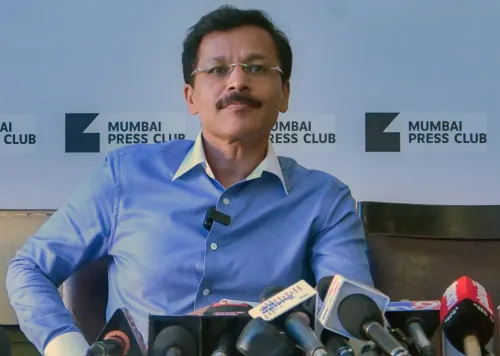
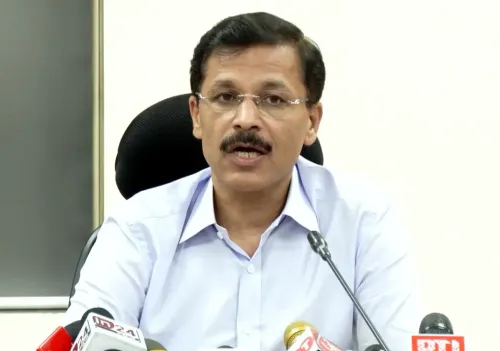
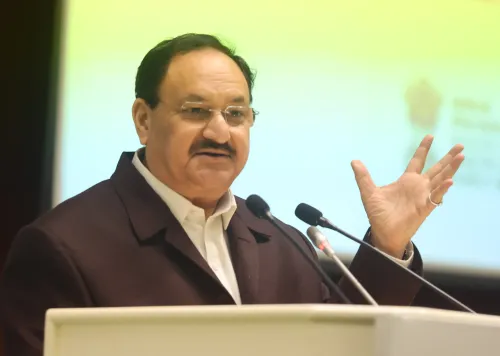
Maharashtra Food and Drug Administration (FDA) Commissioner Tukaram Mundhe on Saturday, 26 September said India's food safety framework has adequate laws and regulations on paper, but enforcement and compliance remain its most persistent weak points. Speaking at Karnavati University in Gandhinagar, Mundhe argued that regulatory systems must keep pace with new business models and rapidly evolving consumer behaviour.
The Core Problem: Rules Exist, Compliance Doesn't
Mundhe was direct about where the system breaks down. "In food safety, the major concern is that we are not following regulations that are there. Rules do exist. Acts do exist. Regulations are there. By-regulations are there," he said, pointing to a persistent gap between legislative intent and ground-level implementation. He noted that beyond licensing and registration requirements, several other food safety provisions were being routinely ignored — with direct consequences for public health.
New Business Models Outpacing Old Laws
A central theme of Mundhe's address was the mismatch between current food business models and the regulatory architecture built around older ones. The Food Safety and Standards Act, enacted in 2006, predates several categories that now handle significant volumes of food delivery and storage. "E-commerce did not exist then. Today we have e-commerce. We did not have dark godowns then, dark stores; today we have those. We did not have cloud kitchens then; we have cloud kitchens. Do we require legislation and regulation on that?" he said. He added that state food commissioners, through the Central Advisory Committee, had already flagged these emerging regulatory gaps at the national level.
Maharashtra's Year-Round Festival Enforcement Model
Mundhe described a structural reform Maharashtra had introduced for festival-season enforcement — replacing individual pre-festival orders with a single standing order covering all festivals throughout the year. The framework classifies festivals at state, regional, and local levels, and triggers enforcement action starting 21 days before each event, continuing through the festival period and into post-event legal proceedings. He said the model had already demonstrated results during the recent Ganesh festival, where approximately 250 to 300 licences or registrations were suspended for violations — including operating without mandatory licences. Separately, nearly 30,000 kg of food was seized and destroyed, and food products worth around ₹10 crore were impounded, with FIRs registered in confirmed violation cases.
Technology and Transparency as Enforcement Tools
Mundhe said enforcement needed to move decisively toward transparency and automation. Maharashtra has launched a consumer complaints portal through which complaints can be filed, tracked, and automatically routed to the relevant officer — reducing discretion and delay. "We need to use IT to the best possible extent," he said, adding that the state is working toward fully integrated digital platforms. His broader argument was for systemic, process-driven enforcement over ad-hoc interventions. "If we make SOP with a continuous process, automatic process, it will work. It cannot be an ad-hoc approach," he said.
A Three-Way Responsibility
Mundhe closed by framing food safety as a shared obligation — not solely the state's. He argued that food businesses, regulators, and consumers each carry a role, and that compliance must become embedded in everyday food practices rather than something triggered only by enforcement pressure. This comes amid growing scrutiny of food safety standards across India, with regulators at both central and state levels under pressure to modernise oversight frameworks. The question of whether national legislation will be updated to formally cover cloud kitchens, dark stores, and e-commerce food platforms remains open, though Mundhe indicated that advisory-level conversations are already under way.
Point of View
But piecemeal state-level fixes cannot substitute for a national legislative update that formally brings e-commerce, dark stores, and cloud kitchens under the compliance net. Until the Centre moves on this, the gap between the law as written and the food ecosystem as it actually operates will keep widening.
NationPress
26 Sept 2026
Frequently Asked Questions
What did Maharashtra FDA Commissioner Tukaram Mundhe say about food safety in India?
Commissioner Mundhe said India's food safety framework has sufficient laws and regulations, but compliance with those rules remains the critical failure point. He argued enforcement must evolve to cover new business models and become technology-driven and continuous rather than ad-hoc.
Why are cloud kitchens and dark stores a food safety concern in India?
The Food Safety and Standards Act was enacted in 2006, before cloud kitchens, dark stores, and e-commerce food platforms existed in their current form. These businesses currently operate in a regulatory grey zone, and Mundhe flagged that dedicated legislation and regulation for them is needed urgently.
What action did Maharashtra FDA take during the Ganesh festival?
Maharashtra FDA suspended approximately 250 to 300 licences or registrations for violations during the Ganesh festival period, seized and destroyed nearly 30,000 kg of food, and impounded products worth around ₹10 crore, with FIRs registered in confirmed violation cases.
What is Maharashtra's year-round food safety enforcement model for festivals?
Instead of issuing separate orders before each festival, Maharashtra has moved to a single standing order covering all festivals throughout the year. It categorises events at state, regional, and local levels, and triggers enforcement 21 days before each festival, continuing through and after the event.
How is Maharashtra using technology to improve food safety enforcement?
Maharashtra has launched a consumer complaints portal where residents can file complaints, track their status, and have cases automatically assigned to the relevant officer. The state is also working toward end-to-end digital enforcement platforms to reduce discretion and improve transparency.