Maha FDA seizes ₹64.45 crore adulterated food ahead of Diwali

Synopsis
Maharashtra's FDA seized 398 tonnes of adulterated food worth ₹64.45 crore and suspended 954 licences in just over two months — the numbers behind a Diwali crackdown far larger than most consumers realise. Commissioner Tukaram Mundhe's silver-foil test and two-day sweet-buying rule are the most actionable public safety tips to emerge from the drive.
Key Takeaways
Maharashtra FDA seized 398 tonnes of adulterated food worth ₹64.45 crore between 1 September and 3 November 2025 .
9,667 food establishments were inspected; 4,603 businesses were penalised and 954 licences suspended.
8,835 food samples were collected and sent for laboratory testing during the enforcement drive.
FDA Commissioner Tukaram Mundhe advised buying sweets for only two to three days at a time and avoiding khoya on open display for longer periods.
A simple hand-rub test can distinguish genuine silver foil from harmful aluminium substitutes on festive sweets.
Citizens are urged to report suspicious food quality directly to the FDA for immediate legal action.
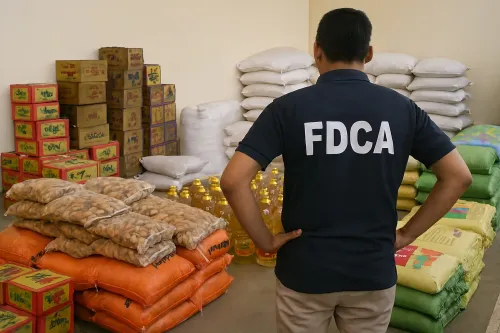
Maharashtra's Food and Drug Administration (FDA) has seized 398 tonnes of adulterated or unsafe food stock valued at ₹64.45 crore in a sweeping state-wide enforcement drive ahead of Diwali 2025. FDA Commissioner Tukaram Mundhe on Thursday, 5 November disclosed the crackdown's scale while issuing a detailed public safety advisory for festive food purchases.
Scale of the Enforcement Drive
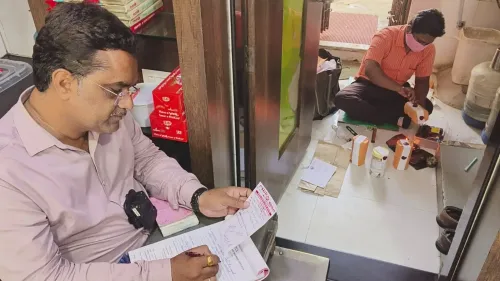
The intensified campaign ran from 1 September to 3 November, covering a two-month window that coincides with peak festive demand for sweets, khoya, and dairy products. During this period, FDA officials inspected 9,667 food establishments and penalised 4,603 businesses for compliance violations. A total of 8,835 food samples were collected and sent for laboratory analysis, and 954 business licences were suspended as part of the action.
Key Safety Guidelines for Consumers
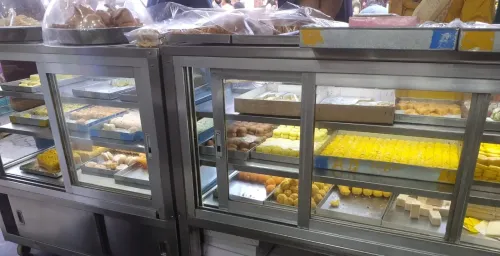
Commissioner Mundhe urged citizens to buy sweets in quantities sufficient only for two to three days of consumption rather than stockpiling them in refrigerators. He specifically cautioned against khoya-based sweets that have been on open display in shops for more than two to three days, noting the heightened risk of spoilage and adulteration in such products.
The FDA has directed the public to purchase sweets and milk products exclusively from licensed establishments displaying a valid FDA licence. Consumers are advised to carefully inspect packaging details — including manufacturing dates, expiry dates, and ingredient labelling — on packaged sweets, khoya, gift hampers, chocolates, and cakes. Unlabelled, expired, or excessively brightly coloured products, and those treated with harsh chemical dyes, should be strictly avoided. Only permitted natural colours within prescribed safety limits are legally authorised for food preparation, the commissioner noted.
How to Spot Fake Silver Foil on Sweets
Addressing a common concern around festive sweets, Commissioner Mundhe offered a practical field test for consumers checking the authenticity of silver or gold foil. 'Special care must be taken with sweets adorned with silver or gold foil. To verify authenticity, rub a piece of the foil on your hand; if it dissolves seamlessly, it is genuine silver. If it rolls up into a foil-like sheet, it is aluminium, and strict legal action will be taken against vendors using aluminium substitutes,' he warned. Aluminium foil substitutes pose a documented health hazard and are prohibited under food safety regulations.
Ghee, Oils, and Packaged Milk Under the Scanner
The FDA commissioner recommended purchasing packaged milk over loose or raw alternatives, citing contamination risks. He affirmed that zero tolerance would be maintained regarding animal fat or chemical adulteration in ghee and edible oils. Restaurant operators and street food vendors have been strictly instructed to stop the repeated reuse of frying oils, a practice widely associated with the formation of harmful trans fats and carcinogens.
How to Report Violations
Commissioner Mundhe called on citizens to actively participate in an adulteration-free Diwali by reporting any suspicious activity or quality defects in milk, edible oils, sweets, khoya, or namkeen directly to the FDA for prompt legal action. This drive follows a broader national pattern of heightened food safety enforcement during the festive season, when demand spikes create conditions that unscrupulous traders have historically exploited. With the festival days now imminent, the regulator's public advisory is likely to be followed by continued field inspections through the week.
Point of View
Well-resourced problem. Yet the FDA's advisory, however thorough, places the burden of verification squarely on the consumer, from reading labels to performing foil rub-tests at the point of sale. The deeper question is why 4,603 violations surfaced in a single drive: either routine surveillance is inadequate, or enforcement is structurally seasonal. Neither is reassuring. Without year-round inspections and published outcomes data, annual pre-Diwali crackdowns risk becoming performative rather than deterrent.
NationPress
6 Nov 2026
Frequently Asked Questions
How much adulterated food did Maharashtra FDA seize ahead of Diwali 2025?
Maharashtra FDA seized 398 tonnes of adulterated or unsafe food stock valued at ₹64.45 crore during an enforcement drive from 1 September to 3 November 2025. A total of 9,667 food establishments were inspected and 954 business licences were suspended.
How can I tell if silver foil on sweets is genuine or fake?
FDA Commissioner Tukaram Mundhe recommended a simple hand-rub test: rub the foil on your palm — genuine silver dissolves seamlessly, while aluminium rolls up into a sheet. Using aluminium foil as a substitute for silver on sweets is illegal and attracts strict legal action under food safety regulations.
What are the FDA's Diwali safety guidelines for buying sweets?
The FDA advises buying sweets in quantities sufficient only for two to three days, purchasing only from FDA-licensed establishments, and checking manufacturing and expiry dates on all packaged products. Consumers should avoid unlabelled, expired, or heavily dyed items and purchase packaged milk instead of loose alternatives.
What action did Maharashtra FDA take against food businesses?
During the two-month drive, FDA penalised 4,603 businesses for compliance violations and suspended 954 business licences. Officials collected 8,835 food samples for laboratory testing as part of the state-wide crackdown.
How can consumers report food adulteration in Maharashtra?
Consumers can report suspicious food quality or adulteration in milk, edible oils, sweets, khoya, or namkeen directly to the Maharashtra FDA. Commissioner Mundhe has urged citizens to do so promptly to enable immediate legal action against violators.