Maharashtra grants loose edible oil traders 1-year FDA ban exemption

Synopsis
Maharashtra's FDA crackdown on loose edible oil sales — triggered by new commissioner Tukaram Mundhe's enforcement blitz — forced CM Devendra Fadnavis to step in with a one-year exemption. The hard deadline and a joint FDA-trader committee signal that this is a stay of enforcement, not a rollback — small vendors have 12 months to comply or face the full weight of the 2011 law.
Key Takeaways
CM Devendra Fadnavis announced a one-year exemption for loose edible oil traders on 1 September , shielding them temporarily from the Food Safety and Standards Act, 2011 ban.
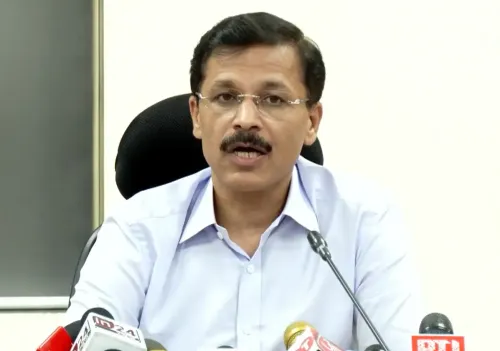
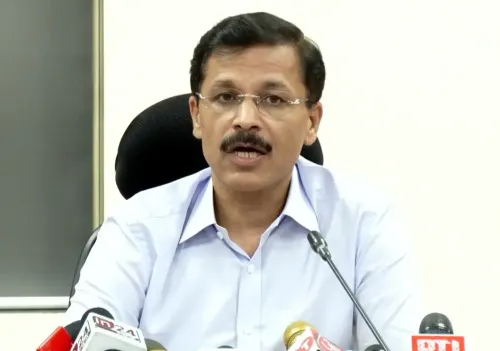
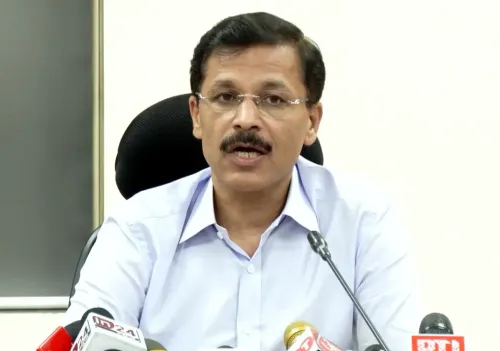
The crackdown was initiated by FDA Commissioner Tukaram Mundhe , who enforced a strict prohibition on unpackaged edible oil sales.
A joint committee of FDA officials and traders will be formed to guide the operational transition for small vendors.
The grace period is final — no extension will be granted; traders must achieve full compliance within 12 months .
The exemption primarily protects low-income consumers who purchase oil in small daily quantities and cannot easily shift to packaged products.
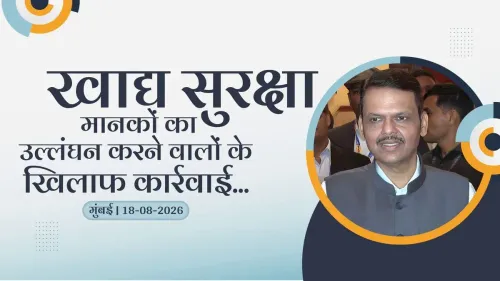
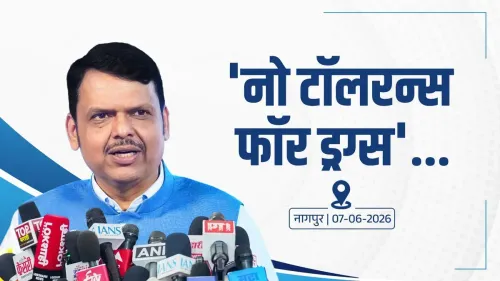
Maharashtra Chief Minister Devendra Fadnavis on Tuesday, 1 September announced a one-year temporary exemption for loose edible oil traders from the ban enforced under the Food Safety and Standards Act, 2011. The decision follows a high-level meeting between Fadnavis and a delegation of oil merchants, offering immediate breathing room to small vendors and low-income consumers hit hard by a recent regulatory crackdown.
What Triggered the Crisis
The situation escalated after senior IAS officer Tukaram Mundhe took charge as Commissioner of the Maharashtra Food and Drugs Administration (FDA). Mundhe swiftly launched an aggressive anti-adulteration drive, strictly enforcing the prohibition on selling unpackaged edible oil — a rule on the books since 2011 but inconsistently applied until now.
The sudden enforcement hit small businesses and traditional vendors the hardest. Critically, it also disrupted daily purchasing patterns of low-income consumers who buy oil in small quantities rather than sealed, packaged units — a common practice in urban and semi-urban Maharashtra.
What the Government Decided
Recognising the tension between regulatory compliance and ground-level necessity, Chief Minister Fadnavis chaired the high-level meeting and announced the 12-month grace period to allow traders time to restructure their operations and align with packaging and safety mandates.
'While the safety law was enacted in 2011 and maintaining oil quality standards remains our highest priority, we must acknowledge that many low-income families still rely on buying loose oil on a daily basis,' Fadnavis said. 'It is essential to find a balanced middle ground that respects regulatory enforcement while serving the immediate needs of common citizens.'
Joint Committee to Guide Transition
To facilitate the shift, the state government will constitute a joint committee comprising representatives from the FDA and the trading community. The panel will assess the operational changes required for traditional vendors and map areas where state support or guidance may be needed during the transition window.
A Hard Deadline — No Extensions
Despite the relief, the Chief Minister issued an unambiguous warning: the one-year grace period will not be extended under any circumstances. Traders have been put on notice to use the next 12 months to fully overhaul their operations and achieve complete compliance with the law.
This comes amid broader efforts by the Maharashtra government to tighten food safety standards across the state, with the FDA under Mundhe signalling that enforcement will intensify once the exemption window closes.
Point of View
But it also exposes a structural failure: a food safety law passed in 2011 remained unenforceable for over a decade because the regulatory ecosystem — cold chains, affordable packaging, consumer habits — was never built around it. Mundhe's enforcement blitz was legally correct but operationally abrupt. The real question is whether the joint committee will produce an actionable transition plan or merely delay the same confrontation by 12 months. If the state cannot move small traders toward compliance in a year, the exemption will simply be renewed under a different name — and the credibility of food safety enforcement in Maharashtra will take a lasting hit.
NationPress
17 Oct 2026
Frequently Asked Questions
Why did Maharashtra grant a one-year exemption to loose edible oil traders?
Chief Minister Devendra Fadnavis granted the exemption after a sudden FDA enforcement drive disrupted small vendors and low-income consumers who depend on buying oil in loose, daily quantities. The grace period gives traders 12 months to restructure operations and comply with packaging mandates under the Food Safety and Standards Act, 2011.
What is the Food Safety and Standards Act, 2011 ban on loose edible oil?
The Food Safety and Standards Act, 2011 prohibits the sale of unpackaged edible oil to ensure quality control and prevent adulteration. While the law has been in force for over a decade, enforcement in Maharashtra was significantly tightened after FDA Commissioner Tukaram Mundhe launched an anti-adulteration campaign.
Who is Tukaram Mundhe and what role did he play?
Tukaram Mundhe is a senior IAS officer who recently assumed charge as Commissioner of the Maharashtra Food and Drugs Administration (FDA). His aggressive enforcement of the ban on loose edible oil sales triggered the trader backlash that led to CM Fadnavis's intervention.
Will the one-year exemption be extended?
No. Chief Minister Fadnavis explicitly stated that the grace period will not be extended under any circumstances. Traders must fully comply with packaging and safety standards mandated by law within the 12-month window.
What is the joint committee announced by the Maharashtra government?
The state government will form a joint committee comprising FDA officials and representatives from the trading community. It will assess the operational changes required for traditional vendors and identify where state support or guidance is needed to facilitate the transition to compliant packaging.