Maha Saptami 2026: Devotees throng CR Park Kali Bari Temple in South Delhi
Synopsis
Delhi's CR Park Kali Bari Temple — a Bengali cultural landmark since 1973 — drew large crowds on Maha Saptami, with the Health Minister and Lieutenant Governor among those expected to attend. The celebrations highlight how Durga Puja in South Delhi has grown into one of the capital's most prominent religious and cultural events.
Key Takeaways
Devotees gathered at CR Park Kali Bari Temple , South Delhi , on 17 October 2026 to celebrate Maha Saptami .
The temple has been a spiritual and cultural hub for Delhi's Bengali community since 1973 , according to temple president Rajiv Nag .
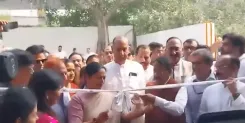
The Health Minister and Lieutenant Governor were among the dignitaries expected to visit during the celebrations.
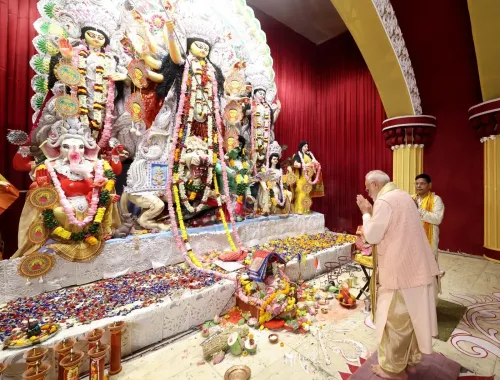
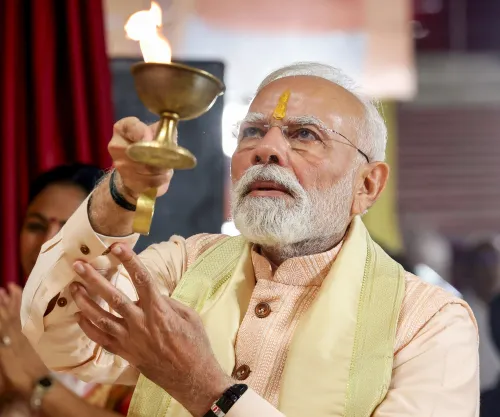
In 2025 , Prime Minister Narendra Modi visited the same CR Park neighbourhood on Maha Ashtami , performing aarti at the Kali Bari Temple.
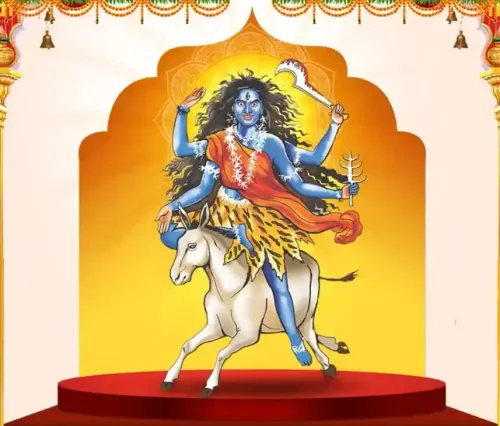
Maha Saptami is dedicated to Maa Kalaratri , the seventh form of Goddess Durga, associated with the destruction of evil and the bestowal of fearlessness.
The colour grey is traditionally associated with the seventh day of Navratri, symbolising balance and resilience.
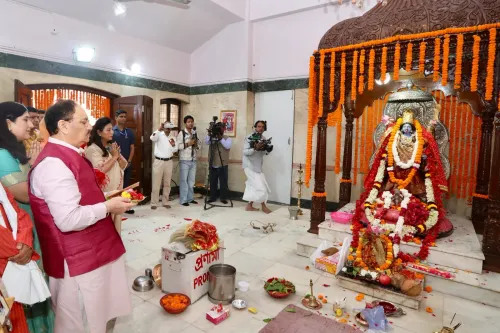
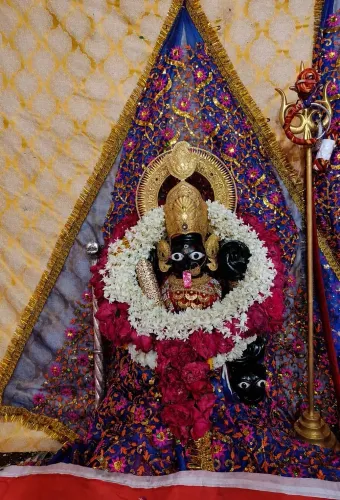
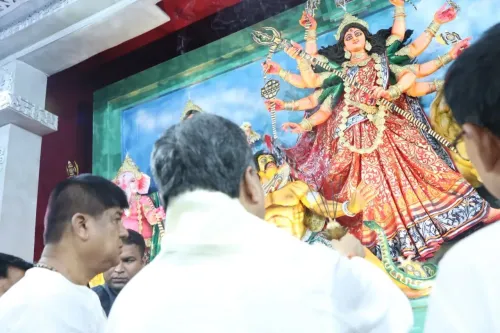
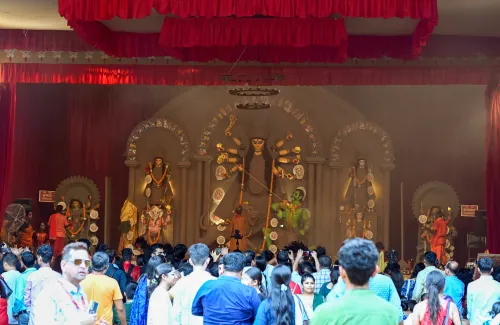
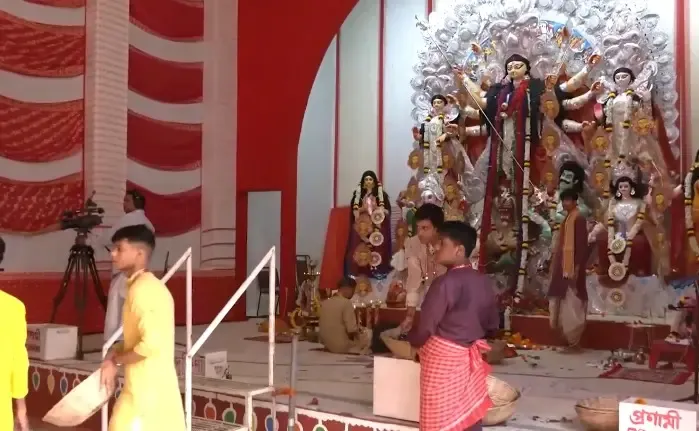
Devotees gathered in large numbers at the CR Park Kali Bari Temple in South Delhi on Saturday, 17 October 2026, to mark Maha Saptami — the seventh day of Navratri — with traditional rituals, aarti, and prayers offered to Maa Durga amid fervent religious celebration. The iconic temple, which has been a spiritual anchor for Delhi's Bengali community since 1973, drew worshippers from across the capital.
The Temple's Cultural Significance
Rajiv Nag, President of the CR Park Kalibari Temple, described the shrine as the cultural and religious heart of the neighbourhood. 'CR Park's heritage is centred around this temple. The main centre of CR Park is this Kali Mandir, where worship has been taking place since 1973. Every year, the celebrations are held with great devotion and religious fervour,' he said. Nag added that while several other major pujas take place in CR Park, the deep devotion that marks this celebration sets it apart as one of the most significant in the area.
Dignitaries Expected at the Celebrations
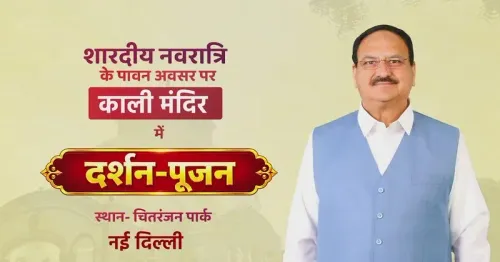
Nag confirmed that prominent public figures were scheduled to visit the temple during the festivities. 'The Health Minister is visiting us today, and we welcome them. The Lieutenant Governor will also visit, along with several others. Everyone is welcome, especially the devotees. We receive a large number of devotees and ensure that they have a meaningful spiritual experience,' he said. The arrangements, he stressed, remain centred on providing devotees with an enriching spiritual visit.
Modi's Visit in 2025: A Recent Precedent
The CR Park Kali Bari Temple has attracted high-profile visitors in recent years. In 2025, Prime Minister Narendra Modi had visited a Durga Puja pandal in the same CR Park neighbourhood on the occasion of Maha Ashtami, offering prayers to Goddess Durga amid the chanting of mantras and performing an aarti at the temple. He also participated in celebrations reflecting traditional Bengali culture — a visit that underscored the political and cultural visibility of the Durga Puja festivities in the capital.
The Significance of Maha Saptami and Maa Kalaratri
Maha Saptami coincides with the seventh day of Navratri, dedicated to Maa Kalaratri — one of the nine principal forms of Goddess Durga and regarded as among her fiercest manifestations. She is associated with the destruction of evil, ignorance, and negative forces. Despite her formidable appearance, she is also venerated as a protective and benevolent deity believed to bestow courage and fearlessness upon her devotees.
Her worship is considered especially powerful for those seeking to overcome fear, obstacles, and adversity. The colour grey is traditionally associated with the seventh day of Navratri, symbolising balance, composure, and resilience. During the day, devotees offer prayers, perform aarti, and sing devotional hymns, with rituals varying according to regional customs — particularly the distinct Bengali traditions observed at CR Park.
Durga Puja in Delhi's Bengali Heartland
CR Park has long served as the cultural epicentre of Delhi's Bengali diaspora, with Durga Puja celebrations here carrying a scale and authenticity that rival those in Kolkata. This year's Maha Saptami observance continues a decades-long tradition that transforms the neighbourhood each October. With senior government officials and the Lieutenant Governor among those expected to participate, the celebration carries civic as well as spiritual weight — a reflection of how deeply Durga Puja has embedded itself in the capital's cultural calendar.
Point of View
With senior ministers and the Lieutenant Governor joining devotees in what is as much a display of cultural outreach as genuine reverence. Modi's 2025 Maha Ashtami visit set a high-visibility precedent that successive political figures have followed. What is often missed in the coverage is the grassroots significance: for Delhi's Bengali diaspora, these celebrations are a sustained assertion of cultural identity in a city that can be indifferent to migrant heritage. The temple's longevity since 1973 speaks to that resilience more than any VIP visit does.
NationPress
17 Oct 2026
Frequently Asked Questions
Where is the CR Park Kali Bari Temple and why is it significant?
The CR Park Kali Bari Temple is located in the CR Park neighbourhood of South Delhi and has been the cultural and spiritual centre of Delhi's Bengali community since 1973. Temple president Rajiv Nag describes it as the primary place of worship in the area, drawing large numbers of devotees each year for Durga Puja.
What is Maha Saptami and when does it fall?
Maha Saptami is the seventh day of Navratri and an important occasion in Bengal's Durga Puja calendar, when devotees perform special rituals and offer prayers to the Goddess. In 2026, it falls on 17 October. The day is dedicated to Maa Kalaratri, one of the nine forms of Goddess Durga.
Who is Maa Kalaratri and what does she represent?
Maa Kalaratri is regarded as one of Goddess Durga's fiercest manifestations and is associated with the destruction of evil, ignorance, and negative forces. Despite her formidable appearance, she is also venerated as a protective deity believed to bestow courage and fearlessness on her devotees.
Did PM Modi visit the CR Park Kali Bari Temple?
Prime Minister Narendra Modi visited a Durga Puja pandal in CR Park on Maha Ashtami in 2025, offering prayers to Goddess Durga and performing an aarti at the Kali Bari Temple. He also participated in celebrations reflecting traditional Bengali culture during that visit.
Which dignitaries are expected at the 2026 Maha Saptami celebrations at CR Park?
According to temple president Rajiv Nag, the Health Minister and the Lieutenant Governor of Delhi are among the dignitaries expected to visit the CR Park Kali Bari Temple during the Maha Saptami celebrations on 17 October 2026.