Nadda offers prayers at CR Park Kali Temple on Navratri
Synopsis
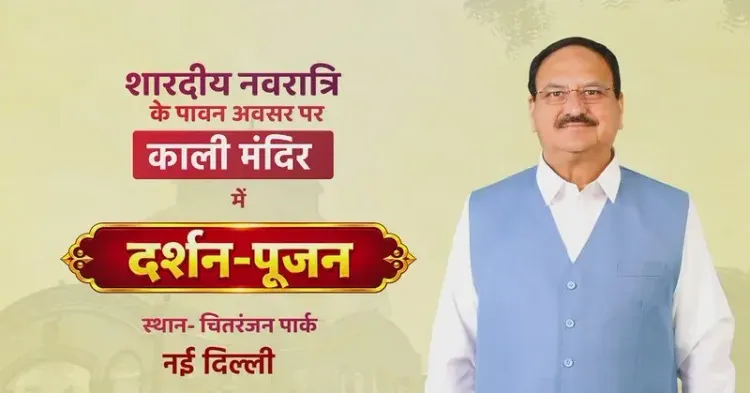
Union Health Minister and BJP president J. P. Nadda visited the Maa Kali Temple in Chittaranjan Park, New Delhi, on Sharadiya Navratri 2026, offering prayers at one of the capital's most significant Bengali cultural shrines.
Key Takeaways
Nadda visited Maa Kali Temple, Chittaranjan Park, New Delhi on October 17, 2026 during Sharadiya Navratri .
The visit involved darshan and pujan — ritual viewing and worship of the deity.
Chittaranjan Park is home to one of Delhi's largest Bengali communities; the Kali Temple is a cultural landmark for that diaspora.
Sharadiya Navratri is a nine-night Hindu festival dedicated to Goddess Durga and her associated forms.
The visit carried no accompanying policy announcement; it represents cultural and religious participation by a senior public official.
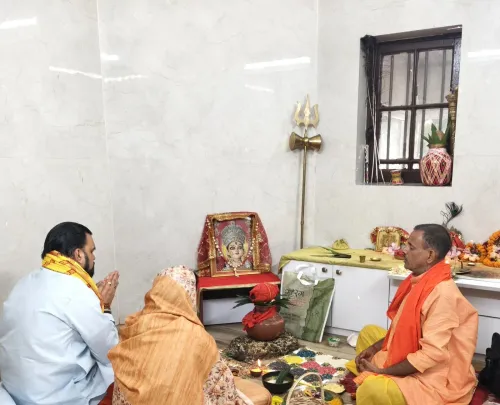
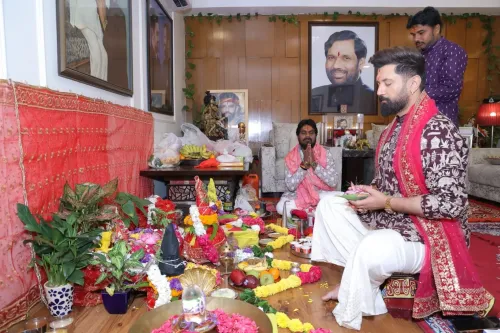
On the auspicious ninth day of Sharadiya Navratri, Union Health Minister J. P. Nadda visited the iconic Maa Kali Temple in Chittaranjan Park, New Delhi on Saturday, October 17, 2026, offering prayers and performing pujan (worship) at one of the capital's most beloved Bengali cultural shrines.
Nadda shared the visit on X, writing: 'Sharadiya Navratri ke paavan avsar par Nai Dilli ke Chittaranjan Park sthit Maa Kali Mandir mein darshan evam pujan' — 'Darshan and worship at the Maa Kali Temple in Chittaranjan Park, New Delhi on the sacred occasion of Sharadiya Navratri.'
Chittaranjan Park's Kali Temple and its place in Delhi
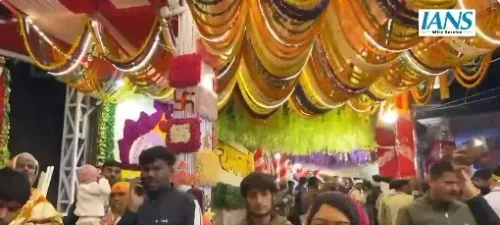
Chittaranjan Park, located in South Delhi, is home to one of the largest Bengali communities in the national capital. The Maa Kali Temple there is a cultural and spiritual landmark for the diaspora, drawing thousands of devotees during Navratri and Kali Puja. The site holds a significance that stretches well beyond religious observance — it is a living anchor of Bengali identity in Delhi.
Navratri and public life in Indian politics
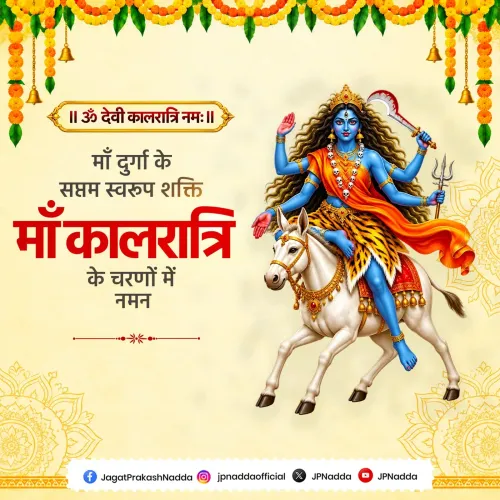
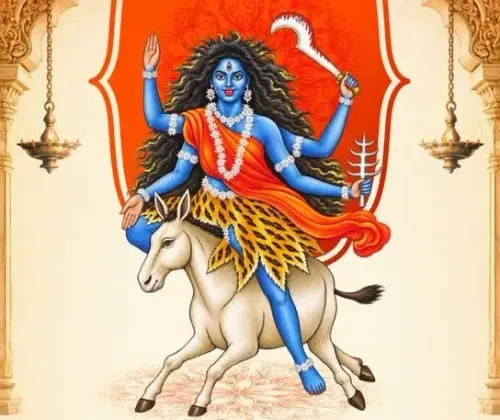
Across the political spectrum, senior Indian leaders routinely mark major Hindu festivals through public temple visits and ceremonial participation. Sharadiya Navratri — the nine-night autumn festival dedicated to Goddess Durga and her associated forms, including Goddess Kali — is among the most widely observed occasions in the Hindu calendar. Such visits are expressions of cultural and religious engagement, distinct from policy or governance announcements.
Nadda, who serves as BJP national president in addition to his dual ministerial portfolios, posted no policy statement or announcement alongside the visit — the gesture stands as a moment of personal faith made public during one of Hinduism's most celebrated seasons.
As the festival season moves toward its crescendo, one question echoes through the lanes of Chittaranjan Park and beyond: can shared moments of devotion hold up a mirror to the cultural threads that still stitch the country together?
Point of View
Cutting across party lines. For J. P. Nadda, visiting the Chittaranjan Park Kali Temple during Navratri also signals outreach to the Bengali Hindu community — a demographic with growing electoral salience in the national conversation. As BJP national president, Nadda's public acts of faith are rarely without a cultural-political undertone, even when no explicit message is offered. The gesture reinforces the party's broader strategy of visible cultural engagement during major religious seasons.
NationPress
17 Oct 2026
Frequently Asked Questions
Where is the Maa Kali Temple that JP Nadda visited?
The Maa Kali Temple is located in Chittaranjan Park, South Delhi , a neighbourhood known for its large Bengali community. It is one of the most prominent Kali temples in the national capital.
What is Sharadiya Navratri?
Sharadiya Navratri is a nine-night Hindu autumn festival dedicated to Goddess Durga and her various forms, including Goddess Kali. It is one of the most widely celebrated festivals in the Hindu calendar, observed across India every year.
Why did JP Nadda visit a temple during Navratri?
J. P. Nadda visited the Maa Kali Temple in Chittaranjan Park for darshan and pujan — ritual worship — on the occasion of Sharadiya Navratri 2026 . The visit was a personal act of religious observance; no policy announcement accompanied it.
What is Chittaranjan Park known for in Delhi?
Chittaranjan Park in South Delhi is known for housing one of the largest Bengali communities in the capital. Its cultural institutions, markets, and temples — including the Maa Kali Temple — serve as a hub of Bengali heritage in New Delhi.
What are JP Nadda's current roles in government?
J. P. Nadda serves as Union Minister of Health and Family Welfare and Minister of Chemicals and Fertilizers . He also holds the position of BJP national president .