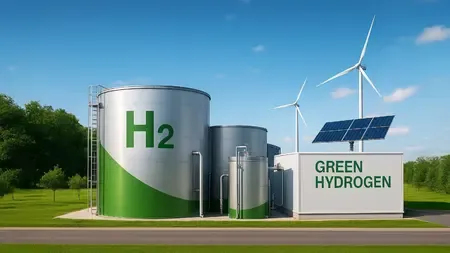
Can India Become the World’s Leading Green Hydrogen Hub?
Synopsis
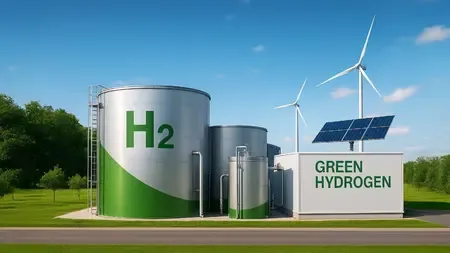
As the world intensifies its fight against climate change, India emerges with the potential to become the premier hub for green hydrogen. With unmatched resources and a robust policy framework, the country is poised to lead the way in sustainable energy production. Discover how India can leverage its strengths in this growing sector.
Key Takeaways
India offers competitive rates for renewable energy essential for green hydrogen production.
Strong government policies like the National Green Hydrogen Mission drive investor confidence.
Domestic demand for hydrogen applications ensures significant local consumption.
Global export opportunities make India a key player in the clean energy market.
Strategic partnerships with industry leaders bolster the sector's growth.
New Delhi, Nov 2 (NationPress) Green hydrogen has become a vital fuel to reduce emissions in challenging sectors like steel, fertilizers, shipping, aviation, and road transport as the globe battles climate change, according to an article by former G20 Sherpa and NITI Aayog CEO Amitabh Kant.
While regions like Europe, Japan, Korea, and the Middle East are pouring billions into renewable hydrogen, India possesses the right blend of resources, policies, and demand to become the world’s leading hub for this emerging energy source, claims the article by Amitabh Kant in India Narrative.
The article outlines five key advantages that favor India.
Firstly, India provides globally unmatched prices for round-the-clock renewable energy, with costs ranging from Rs 4.60 to Rs 5 per kWh, making green hydrogen production highly competitive. Secondly, government policies have been both steady and ambitious: the National Green Hydrogen Mission establishes clear targets and offers the regulatory stability that investors and companies need. Thirdly, India’s industrial foundation is robust, encompassing engineering capabilities, pipelines, refineries, and ports, which creates a supportive ecosystem for scaling green hydrogen. Fourthly, India’s significant domestic demand for fertilizers, refining, steel, and chemicals guarantees that hydrogen adoption will be driven not only by exports but also by local consumption. Lastly, there is an enormous global export opportunity. Markets such as Europe and Japan are actively searching for clean hydrogen imports, and India is strategically positioned to cater to their needs, the article highlights.
Discussing the milestones of India’s green hydrogen initiatives, the article notes that the Solar Energy Corporation of India (SECI) has awarded contracts for 450,000 tonnes per annum of green hydrogen production, with major players like Reliance, Greenko, ACME, and L&T involved. SECI has also completed a 724,000 tonne green ammonia tender, aggregating demand from 13 fertilizer plants across the nation. This tender achieved a record-low price of Rs 55.75 per kilogram, one of the most competitive globally. Additionally, the Indian Oil Corporation has initiated a landmark project at its Panipat refinery, and Bharat Petroleum has collaborated with Singapore’s Sembcorp to advance green hydrogen and green ammonia projects in India.
The article acknowledges that while the risks tied to expanding India’s green hydrogen sector are considerable, they are manageable. High capital expenses can be tackled through concessional financing, sovereign green bonds, and blended finance models. Certification disputes need to be preempted by embracing international standards and securing bilateral recognition agreements with key markets. Skill shortages can be alleviated via a national skilling mission focused on hydrogen and related industries. The issues of tender cancellations and delays could be addressed through improved bid design and more realistic project timelines.
By producing the most affordable green hydrogen worldwide, creating value-added products such as green steel, ammonia, and fertilizers, and positioning itself as a reliable supplier to the global market, India can leap to the forefront of the clean economy. The race for green hydrogen has begun, and although numerous countries are in the race, India is uniquely prepared to take the lead, concludes the article.
Point of View
It is clear that India's dedication to harnessing green hydrogen for sustainable energy positions the country as a key player in the global clean energy landscape. The strategic integration of resources, policy, and demand will not only enhance India's energy security but also contribute significantly to combating climate change. NationPress remains committed to covering this evolving narrative as India strives for leadership in the green economy.
NationPress
25 Sept 2026
Frequently Asked Questions
What is green hydrogen?
Green hydrogen is hydrogen produced through renewable energy sources, making it a clean alternative to fossil fuels. It is generated via electrolysis powered by renewable energy, resulting in zero carbon emissions.
How can India benefit from green hydrogen?
India can benefit from green hydrogen by reducing its carbon footprint, enhancing energy security, and creating job opportunities within the renewable energy sector. It also has the potential to become a significant exporter of green hydrogen.
What are India's strengths in green hydrogen production?
India's strengths in green hydrogen production include unmatched renewable energy costs, a strong industrial base, ambitious government policies, and substantial domestic demand for hydrogen applications.
What challenges does India face in expanding its green hydrogen sector?
Challenges include high capital costs, skill shortages, certification disputes, and potential delays in project implementation. However, these can be managed with appropriate financing, training, and regulatory frameworks.
What is the future of green hydrogen in India?
The future of green hydrogen in India looks promising, with major investments, a supportive policy environment, and increasing global demand for clean energy solutions. India is well-positioned to lead in this sector.