BJP leaders back West Bengal Assembly dissolution by Governor R.N. Ravi
Synopsis
West Bengal Governor R.N. Ravi dissolved the Legislative Assembly on 8 May 2026, days after the BJP reportedly swept 207 of 294 seats and Mamata Banerjee lost her own Bhabanipur seat. With 63% of the TMC Cabinet wiped out and the Chief Minister refusing to step down, the Governor's move — backed by BJP leaders citing Articles 172 and 174 — sets the stage for government formation on 9 May.
Key Takeaways
West Bengal Governor R.N.
Ravi dissolved the Legislative Assembly on 8 May 2026 , citing constitutional provisions.
The BJP reportedly won 207 of 294 seats; government formation is scheduled for 9 May 2026 .
Chief Minister Mamata Banerjee lost her own seat in Bhabanipur ; 23 of 35 TMC ministers were defeated.
BJP leaders cited Articles 172 and 174 of the Constitution to justify the Governor's action.
63 per cent of the TMC Cabinet was reportedly wiped out in the election results.
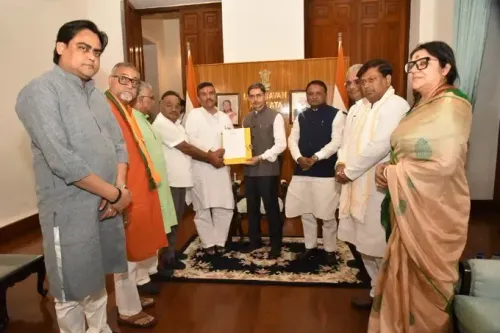
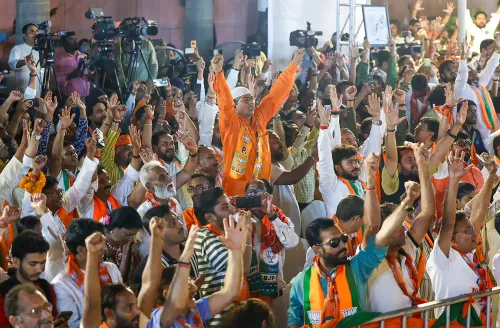
West Bengal Governor R.N. Ravi dissolved the state's Legislative Assembly on 8 May 2026, triggering a wave of support from Bharatiya Janata Party (BJP) leaders and allies, who described the move as a constitutionally mandated step following the electoral defeat of Chief Minister Mamata Banerjee and her All India Trinamool Congress (TMC) government. The BJP, which reportedly secured 207 of 294 Assembly seats, is set to form the government on 9 May 2026.
BJP Leaders Cite Constitutional Grounds
BJP MP Khagen Murmu said the Governor had invoked Article 174 of the Constitution to dissolve the Assembly. "As per the Constitution, Article 174 was invoked today. The Governor had already dissolved the Legislative Assembly. For so many days, why was Mamata Banerjee sitting on it? The people of the entire country are laughing. She was not accepting the people's verdict and was insulting the people here," Murmu said.
Telangana BJP President N. Ramchandra Rao described the dissolution as a "constitutional necessity," citing Article 172, which governs the five-year term of state legislatures. "What has happened in Bengal is merely a constitutional procedure, wherein a government elected for a five-year term has now been dissolved," Rao said.
Mamata Banerjee Accused of Defying Electoral Verdict
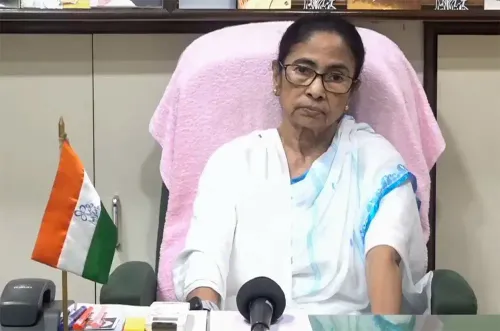
BJP MP Rahul Sinha said Banerjee should have resigned after the electoral outcome went against her, including in her own constituency of Bhabanipur. "Mamata Banerjee should have had at least this much dignity. When the people's verdict came and she lost, even in Bhabanipur, she should have accepted it and resigned. Even if she did not resign, what happened? She was removed. This was such a great humiliation, but Mamata Banerjee does not realise it," Sinha told IANS.
According to Shiv Sena leader Shaina NC, speaking from Mumbai, the scale of the TMC's defeat made Banerjee's continued hold on office untenable. "Mamata Banerjee lost her own home turf Bhabanipur, 23 of the 35 Trinamool ministers were defeated, and 63 per cent of the Cabinet has been wiped out. Her refusing to step down was an act of desperation," she said.
Key Figures Across States Weigh In
Uttar Pradesh Minister O.P. Rajbhar said constitutional norms left the Governor no choice. "It is certain that Mamata was not following the Constitution. The authority to form the government rests with the Governor. Therefore, the Governor exercised his constitutional powers and dissolved the Assembly," Rajbhar said.
Telangana BJP leader T.R. Srinivas said 7 May 2026 marked the last date of the TMC government's tenure and argued that Banerjee had failed to follow the constitutional convention of handing over charge as a caretaker Chief Minister. Bihar Minister Shrawon Kumar added tersely: "Everyone should follow the law. Those who do not follow the law have to face the consequences."
What Happens Next
With the Assembly dissolved, the BJP is expected to proceed with government formation on 9 May 2026. The party's reported tally of 207 seats in the 294-member West Bengal Assembly gives it a comfortable majority. All eyes are now on the swearing-in ceremony and whether the outgoing TMC government mounts any legal challenge to the Governor's action.
Point of View
But the political optics are anything but. The BJP's nationwide chorus of approval — from UP ministers to Telangana party chiefs — signals a coordinated messaging effort to frame the Governor's intervention as democratic restoration rather than executive overreach. Notably, the invocation of Articles 172 and 174 is being cited selectively; Governors have historically faced sharp criticism for similar interventions in states governed by opposition parties. The real question is whether Mamata Banerjee's refusal to vacate was a legal stand or political theatre — and whether the incoming BJP government in Bengal can consolidate a majority mandate without the post-election tensions that have historically followed close or contested transfers of power in the state.
NationPress
21 Sept 2026
Frequently Asked Questions
Why did West Bengal Governor R.N. Ravi dissolve the Assembly?
Governor R.N. Ravi dissolved the West Bengal Legislative Assembly on 8 May 2026 after the five-year term of the TMC government expired and the BJP reportedly won a decisive majority of 207 out of 294 seats. BJP leaders cited Articles 172 and 174 of the Constitution to justify the action, saying Chief Minister Mamata Banerjee had refused to step down despite the electoral verdict.
What was the BJP's vote tally in the West Bengal Assembly elections?
According to BJP leaders, the party secured 207 out of 294 seats in the West Bengal Assembly elections, giving it a clear majority. Government formation is scheduled for 9 May 2026.
Did Mamata Banerjee lose her own seat in the election?
Yes, according to BJP leaders, Chief Minister Mamata Banerjee lost her constituency of Bhabanipur in the West Bengal Assembly elections. Additionally, 23 of 35 TMC ministers were reportedly defeated, with BJP leaders claiming 63 per cent of the TMC Cabinet was wiped out.
Which constitutional articles were cited to justify the Assembly's dissolution?
BJP leaders cited Article 174, which empowers the Governor to dissolve the Legislative Assembly, and Article 172, which governs the five-year term of state legislatures. Telangana BJP President N. Ramchandra Rao described the dissolution as a constitutional necessity under Article 172.
What happens after the West Bengal Assembly is dissolved?
With the Assembly dissolved, the BJP is set to proceed with government formation on 9 May 2026. The party's reported 207-seat majority in the 294-member House gives it a comfortable mandate to form the next government in West Bengal.