Bengal Governor dissolves Assembly after BJP's two-thirds majority win
Synopsis
In an unprecedented constitutional moment, West Bengal Governor R. B. Ravi dissolved the state Assembly on Thursday evening after Mamata Banerjee refused to resign despite her party's crushing defeat. The move raises an unresolved question: who governs Bengal in the hours before the new BJP Cabinet is sworn in on Saturday?
Key Takeaways
West Bengal Governor R.
Ravi dissolved the state Legislative Assembly on 7 May under Article 174(2)(b) of the Constitution.
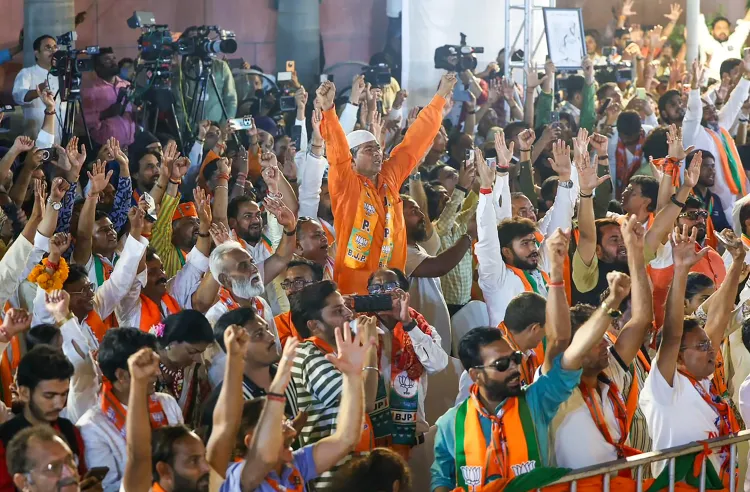
The BJP won a two-thirds majority in the West Bengal Assembly elections , results for which were declared on 4 May .
Outgoing Chief Minister Mamata Banerjee refused to formally resign, calling the results not a "true reflection of public mandate." The Assembly dissolution automatically dissolves the previous Cabinet, making Banerjee the former Chief Minister regardless of her refusal.
Legal experts say the Governor may directly assume administration or recommend President's Rule during the interim period.
The new BJP Cabinet oath ceremony is scheduled for 10 a.m. on Saturday in the presence of PM Modi and Home Minister Amit Shah .
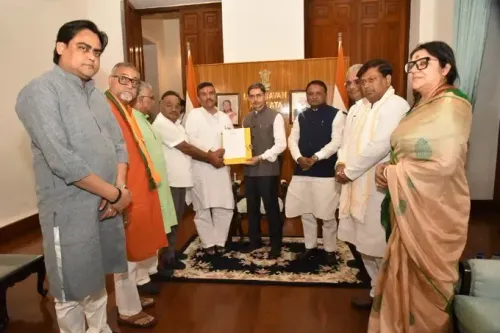
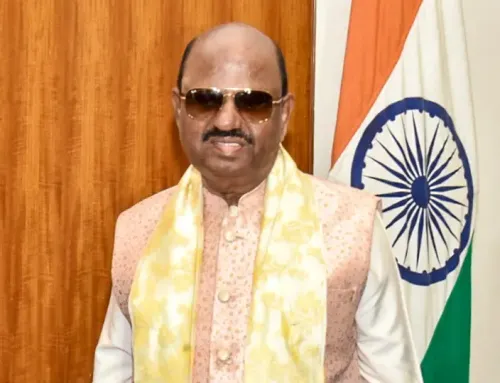
The office of West Bengal Governor R. B. Ravi on Thursday, 7 May announced the dissolution of the state Legislative Assembly, days after the West Bengal Assembly election results declared on 4 May handed the Bharatiya Janata Party (BJP) a thumping two-thirds majority. The order, issued from Lok Bhaban (formerly Raj Bhavan) on Thursday evening, invoked Article 174(2)(b) of the Constitution of India.
The Constitutional Order
The statement from Lok Bhaban stated that the dissolution was carried out "as per the power conferred upon the Governor of a state under sub-clause (b) of Clause (2) of Article 174 of the Constitution of India." It further noted that "the order has come into force in accordance with the constitutional provisions contained under Article 174(2) of the Constitution of India."
Legal experts explained that the dissolution of the Assembly automatically triggers the dissolution of the previous state Cabinet, effectively conferring upon Mamata Banerjee the formal status of a former Chief Minister — regardless of whether she submits her resignation.
Mamata Banerjee's Refusal to Resign
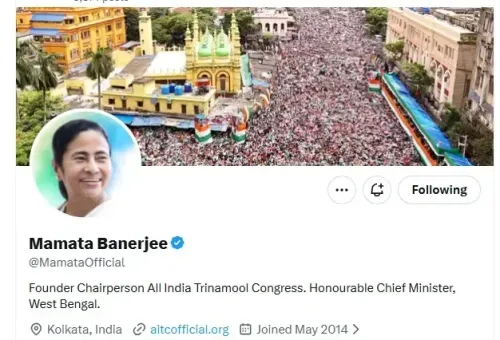
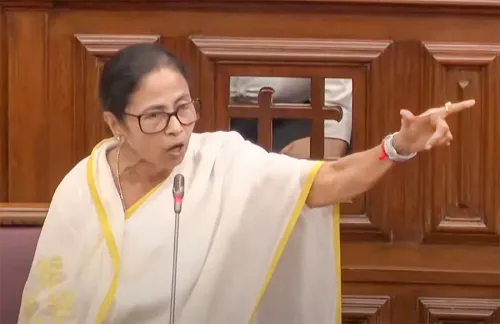
The dissolution order came directly in response to an unprecedented political standoff. Outgoing Chief Minister Mamata Banerjee, whose All India Trinamool Congress (TMC) suffered a decisive defeat — with Banerjee herself losing her own seat — had publicly refused to formally submit her resignation to the Governor. She argued that the election results were not the "true reflection of public mandate."
Political observers noted that this refusal was without modern precedent in Indian parliamentary democracy, as no Chief Minister whose party had lost a majority had previously declined to follow the constitutional convention of tendering resignation.
The Interim Governance Question
With the dissolution announced Thursday evening and the oath ceremony of the new Cabinet scheduled for 10 a.m. on Saturday, a critical constitutional question has emerged: who governs West Bengal during this interim period?
Legal experts have offered two possible scenarios. The Governor could directly assume administrative charge of the state, or alternatively, recommend imposition of President's Rule for the brief interim window. Political observers noted that the situation is so unusual that no clear legal consensus exists, since the scenario of a defeated Chief Minister refusing to resign had not been anticipated in conventional constitutional practice.
What Happens Next
The oath ceremony of the new BJP-led Cabinet is scheduled for Saturday morning and will be conducted in the presence of Prime Minister Narendra Modi and Union Home Minister Amit Shah, among other senior leaders. The swearing-in will formally install the new government and end the constitutional ambiguity created by Banerjee's refusal to resign.
The episode marks one of the most unusual transitions of power in West Bengal's post-Independence political history, raising fresh questions about the boundaries of constitutional conventions when they are tested by political defiance.
Point of View
However, is a gap in India's constitutional conventions: the system assumed defeated leaders would follow tradition. The more consequential question is who holds administrative authority in the hours-long vacuum before Saturday's swearing-in. If the Governor assumes direct charge, even briefly, it sets a precedent that could be weaponised in future political transitions. The episode is less about Bengal and more about what happens when constitutional norms are stress-tested by political theatre.
NationPress
20 Sept 2026
Frequently Asked Questions
Why did the West Bengal Governor dissolve the Assembly?
Governor R. B. Ravi dissolved the West Bengal Legislative Assembly on 7 May under Article 174(2)(b) of the Constitution of India, following the BJP's two-thirds majority win in the state elections. The move came after outgoing Chief Minister Mamata Banerjee refused to formally submit her resignation.
What happens when a state Assembly is dissolved in India?
When a state Assembly is dissolved, the existing Cabinet is automatically dissolved as well, stripping the outgoing Chief Minister of their official status. This means Mamata Banerjee is now formally the former Chief Minister of West Bengal, regardless of her refusal to resign.
Who governs West Bengal between the dissolution and the new Cabinet oath?
Legal experts say the Governor can either directly assume administrative charge of the state or recommend President's Rule for the brief interim period. No clear constitutional precedent exists for this specific situation, as a defeated Chief Minister refusing to resign had not been anticipated.
When is the new West Bengal Cabinet oath ceremony?
The new BJP-led Cabinet is scheduled to be sworn in at 10 a.m. on Saturday, in the presence of Prime Minister Narendra Modi and Union Home Minister Amit Shah, among other senior leaders.
Why did Mamata Banerjee refuse to resign as Chief Minister?
Mamata Banerjee refused to formally submit her resignation to the Governor, stating that the election results were not the "true reflection of public mandate." She lost her own seat in the polls, and her party, the All India Trinamool Congress, was defeated by the BJP's two-thirds majority.