Trinamool dissolves all committees after 58 MLAs back Ritabrata Banerjee revolt
Synopsis
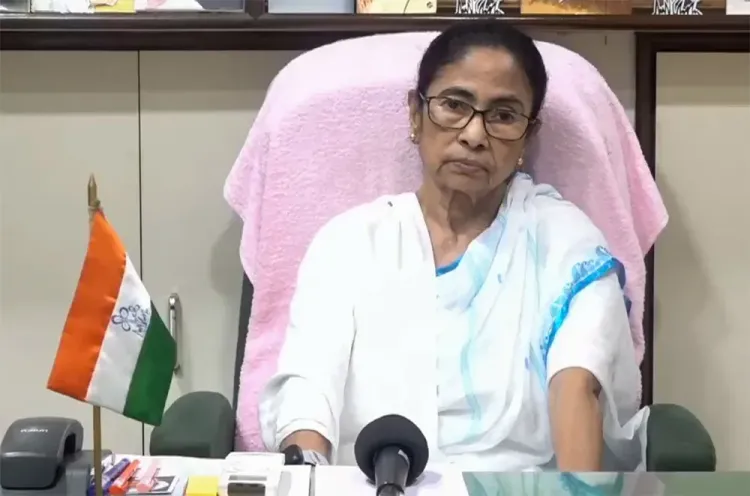
Trinamool's organisational machinery in West Bengal has been wiped clean overnight. With 58 of 80 MLAs defecting to a block led by expelled legislator Ritabrata Banerjee, the Mamata-Abhishek leadership has dissolved every committee and frontal panel — the deepest internal rupture the party has faced in over a decade, and a tacit admission that control had slipped.
Key Takeaways
Trinamool Congress dissolved all internal committees in West Bengal and its frontal organisations on 3 June .
The move came after 58 of 80 Trinamool MLAs backed expelled legislator Ritabrata Banerjee as Leader of Opposition.
The rival block named Javed Khan , Siuli Saha and Sandipan Saha as deputy leaders and Akhruzzaman as Chief Whip.
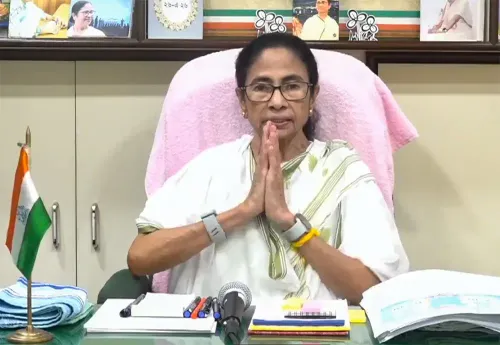
Neither Mamata Banerjee nor Abhishek Banerjee has publicly reacted to the legislative split.
The party said a comprehensive introspection and organisational reconstitution will follow ‘in due course'.
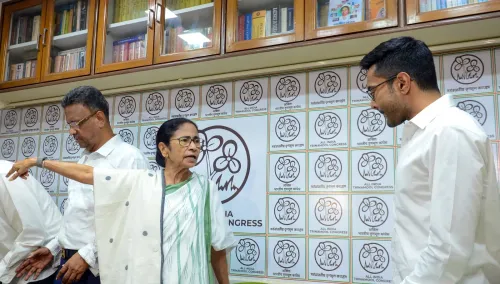
The All India Trinamool Congress (AITC) on 3 June announced the dissolution of all its internal committees in West Bengal, along with the panels of every frontal organisation, hours after a breakaway block of 58 out of 80 Trinamool legislators in the state Assembly rallied behind expelled MLA Ritabrata Banerjee. The decision, issued through the party's official social media handle, signals the deepest organisational churn in the Mamata Banerjee-led outfit in over a decade.
Key Developments
The faction loyal to former Chief Minister Mamata Banerjee and her nephew, General Secretary Abhishek Banerjee, said the dissolution takes effect immediately. ‘After careful consideration, it has been decided that all committees of the All India Trinamool Congress in West Bengal, as well as all its frontal organisations, shall stand dissolved with immediate effect,' the official statement read.
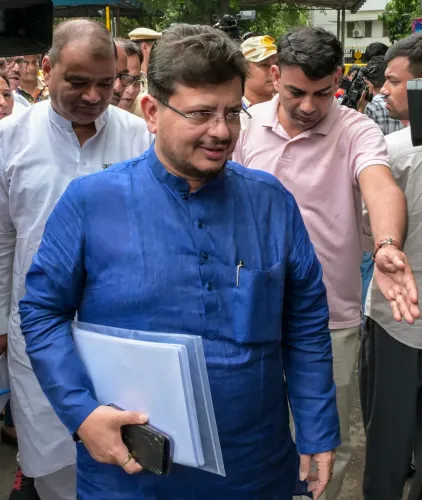
The announcement landed minutes after the rival block submitted a resolution to Assembly Speaker Rathindra Bose staking claim to the legislative party. The resolution named Ritabrata Banerjee as Leader of Opposition, with Javed Khan, Siuli Saha and Sandipan Saha as deputy leaders and Akhruzzaman as Chief Whip.
What the Leadership Said
While the party did not explicitly link the dissolution to the legislative revolt, it framed the move as an exercise in organisational renewal. ‘The party will undertake a comprehensive exercise of introspection, performance review and organisational assessment at every level. Based on the findings of this exercise, the organisational structure of the parent body and all frontal organisations will be reconstituted and announced in due course,' the statement said.
The leadership added that Trinamool ‘remains committed to strengthening its organisation and preparing it to meet future challenges with renewed vigour and purpose'.
The Silence From the Top
Notably, neither Mamata Banerjee nor Abhishek Banerjee has publicly reacted to the legislative split. No other elected representative aligned with the aunt-nephew leadership has commented on record either, an unusual silence given the scale of the desertion — more than 70% of the party's Assembly strength.
Why It Matters
The dissolution effectively wipes the slate clean at every organisational tier in West Bengal, from district committees to youth and women's wings. Critics argue the move is less about introspection and more about regaining control by stripping authority from cadres who may have drifted toward the breakaway block. This is the most serious internal challenge the party has faced since Mukul Roy's exit nearly a decade ago.
What Happens Next
The reconstitution timeline has not been disclosed. The Speaker's response to the rival resolution will be the next pivot point — recognition of the breakaway block as the legislative party would have immediate consequences for floor strength, committee positions and the Leader of Opposition designation. A reorganised Trinamool, reportedly leaner and tightly held, is expected to emerge in the coming weeks.
Point of View
The question is no longer about organisational health but about whether the Mamata-Abhishek axis still commands the cadre. The conspicuous silence from both leaders is the loudest signal here. Trinamool has weathered defections before, but never on this scale, and never with the rival faction inside the legislative party itself.
NationPress
17 Oct 2026
Frequently Asked Questions
Why has Trinamool Congress dissolved all its internal committees?
The party announced the dissolution on 3 June, hours after 58 of its 80 MLAs in the West Bengal Assembly backed a rival block led by expelled legislator Ritabrata Banerjee. While the official statement cited a ‘comprehensive introspection and organisational assessment', the timing strongly suggests it is a response to the legislative revolt.
Who is Ritabrata Banerjee and what is his role now?
Ritabrata Banerjee is an expelled Trinamool Congress legislator who has now been named Leader of Opposition by a breakaway block of 58 MLAs. The block submitted a resolution to Assembly Speaker Rathindra Bose staking claim to the legislative party.
How many Trinamool MLAs have joined the breakaway block?
A total of 58 out of 80 Trinamool legislators in the West Bengal Assembly have aligned with the new block. The resolution also named Javed Khan, Siuli Saha and Sandipan Saha as deputy leaders and Akhruzzaman as Chief Whip.
Have Mamata Banerjee and Abhishek Banerjee responded?
No. Neither former Chief Minister Mamata Banerjee nor General Secretary Abhishek Banerjee has publicly reacted to the legislative split. No other elected representative aligned with them has commented on record either.
What happens next for the Trinamool organisation in West Bengal?
The party has said it will reconstitute the structures of the parent body and all frontal organisations after a performance review and organisational assessment. No specific timeline has been disclosed, and the Speaker's response to the rival block's resolution will be a key next step.