Parliamentary Friendship Groups: A New Era in India's Diplomatic Engagement
Synopsis
Kiren Rijiju announces the formation of Parliamentary Friendship Groups with over 60 nations, aimed at strengthening India's parliamentary diplomacy and enhancing international relations in a democratic framework.
Key Takeaways
Over 60 nations engaged in Parliamentary Friendship Groups.
Strengthening parliamentary diplomacy as a key element of India's foreign policy .
Fostering trust and cooperation among democratic nations.
Involvement of diverse political leaders enhances democratic representation.
Facilitates direct dialogue and exchange of best practices.
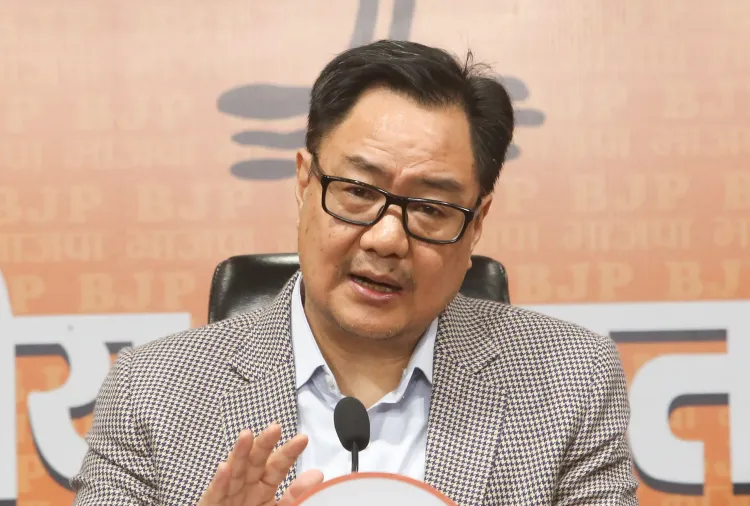
New Delhi, Feb 24 (NationPress) In a significant announcement, the Minister of Parliamentary Affairs, Kiren Rijiju, revealed on Tuesday that the newly formed Parliamentary Friendship Groups, encompassing over 60 nations, will enhance bilateral relations with key countries and fortify parliamentary diplomacy as a vital component of India's foreign policy.
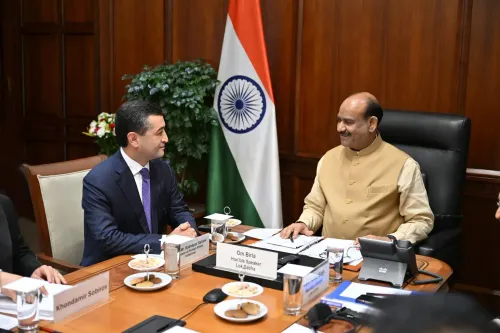
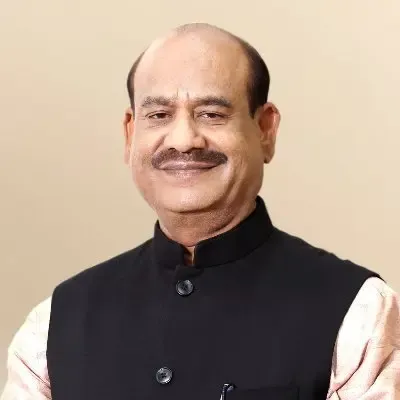
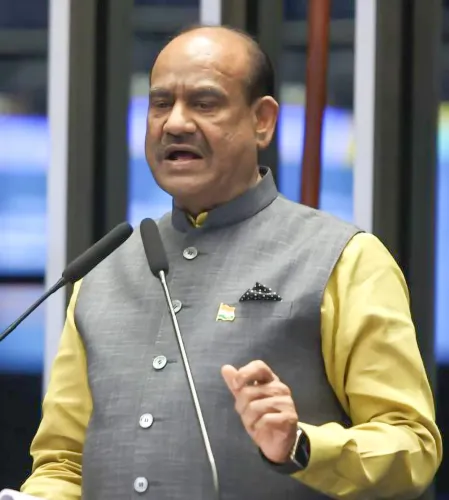
In a notable initiative led by Lok Sabha Speaker Om Birla, Parliamentary Friendship Groups have been established with 64 countries, marking a major advancement in India's inter-parliamentary collaboration and complementing traditional diplomacy through ongoing legislative engagement.
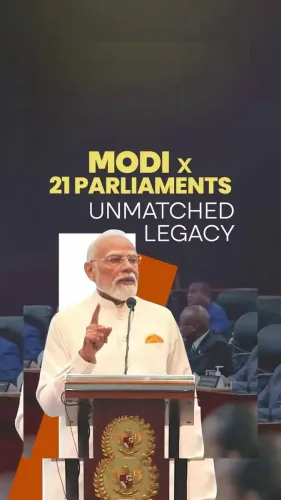
Rijiju shared on social media platform X: "In light of the success of Operation Sindoor, Hon'ble PM Shri Narendra Modi ji proposed the creation of Parliamentary Friendship Groups to improve interactions between India and other nations. Hon'ble Speaker Shri Om Birla ji has now formed these groups with over 60 countries, thereby enhancing global democratic connections."
As India’s international footprint expands, the Union Minister emphasized that this initiative will "deepen connections with major nations" while further "reinforcing parliamentary diplomacy as a fundamental aspect" of the nation's foreign policy structure.
He added, "Enhanced legislator-to-legislator interactions will nurture trust, dialogue, and collaboration, showcasing India's growing stature as a responsible and leading democracy on the world stage."
This initiative unites Members of Parliament from various political backgrounds to lead these groups, reflecting the inclusive and diverse nature of Indian democracy globally.
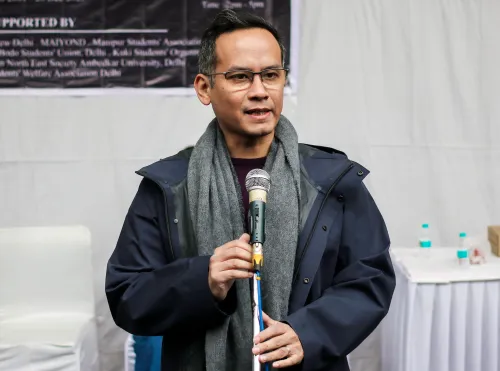
Prominent lawmakers such as Ravi Shankar Prasad, M. Thambidurai, P. Chidambaram, Ram Gopal Yadav, T.R. Baalu, Kakoli Ghosh Dastidar, Gaurav Gogoi, Kanimozhi Karunanidhi, and many others will oversee the respective groups.
The initial phase involves countries including Sri Lanka, Germany, New Zealand, Switzerland, South Africa, Bhutan, Saudi Arabia, Israel, Maldives, United States, Russia, European Union Parliament, South Korea, Nepal, United Kingdom, France, Japan, Italy, Oman, Australia, Greece, Singapore, Brazil, Vietnam, Mexico, Iran, and United Arab Emirates.
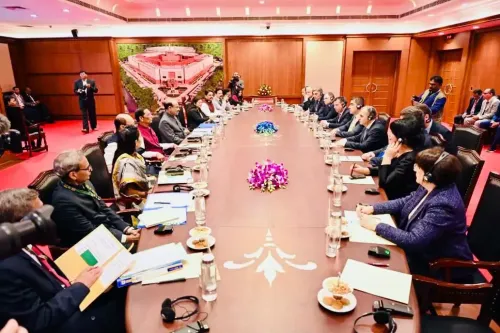
Plans are in motion to broaden this network to include additional nations shortly. These groups aim to facilitate direct dialogue between lawmakers, share legislative experiences, exchange best practices, and discuss issues related to trade, technology, social policies, culture, and common global challenges faced by democratic societies.
The initiative aspires to build trust, promote mutual understanding, and enhance bilateral relationships through regular engagements, study visits, and collaborative discussions.
This formation builds upon the multi-party outreach initiated by Prime Minister Narendra Modi after Operation Sindoor, which deployed cross-party delegations internationally to present India’s unified viewpoint on national security and interests. This effort illustrated India's capacity to transcend partisan divides and present a cohesive stance on significant issues.
The Speaker's action institutionalizes this ethos by establishing structured, long-term parliamentary channels for global engagement. Birla has consistently championed parliamentary diplomacy to elevate India's international reputation, positioning the legislature as an active player in global discussions.
The groups highlight a participatory foreign policy that emphasizes people-to-people and institution-to-institution relationships anchored in democratic principles.
By bridging party lines and involving leaders from across the spectrum, this initiative illustrates the depth and maturity of India's democratic framework, reinforcing Parliament's role as a crucial conduit between nations, fostering ongoing cooperation and collaboration in an interconnected world.
Point of View
Promoting inter-parliamentary dialogue and collaboration. With influential leaders from various political backgrounds involved, it reflects India's commitment to fostering a robust democratic framework in international affairs, potentially elevating its global standing.
NationPress
26 Sept 2026
Frequently Asked Questions
What are Parliamentary Friendship Groups?
Parliamentary Friendship Groups are collaborative platforms established to enhance legislative interactions between India and over 60 countries, aimed at strengthening diplomatic ties.
Who initiated the formation of these groups?
The initiative was proposed by Prime Minister Narendra Modi following the success of Operation Sindoor and is led by Lok Sabha Speaker Om Birla.
What is the significance of these groups?
These groups aim to reinforce parliamentary diplomacy, facilitate direct lawmaker interactions, and foster mutual understanding among democratic nations.
What countries are involved in the first phase?
The first phase includes countries such as Germany, Japan, the United States, South Africa, and many others.
How will these groups enhance India's global presence?
By promoting sustained cooperation and dialogue among lawmakers, these groups will bolster India's role as a leading democracy on the international stage.