PM Modi Announces Nationwide Solar Energy Transformation Under Surya Ghar Scheme
Synopsis
On March 29, PM Modi unveiled the significant impact of the PM Surya Ghar Muft Bijli Yojana, promoting solar energy adoption across India. This scheme is enhancing lives and advancing the nation’s clean energy goals.
Key Takeaways
PM Surya Ghar Muft Bijli Yojana is redefining solar energy access in India.
Success stories highlight the scheme’s positive impact on individuals.
Farmers benefit significantly from transitioning to solar-powered systems.
Rural areas are experiencing notable improvements in electricity accessibility.
The movement signifies a larger solar energy revolution in India.
New Delhi, March 29 (NationPress) Prime Minister Narendra Modi emphasized the increasing utilization of solar energy nationwide, declaring that the PM Surya Ghar Muft Bijli Yojana is greatly enhancing lives and propelling India’s shift towards clean energy.
During the 132nd installment of his monthly radio show Mann Ki Baat, the Prime Minister noted a remarkable transformation across both urban and rural areas.
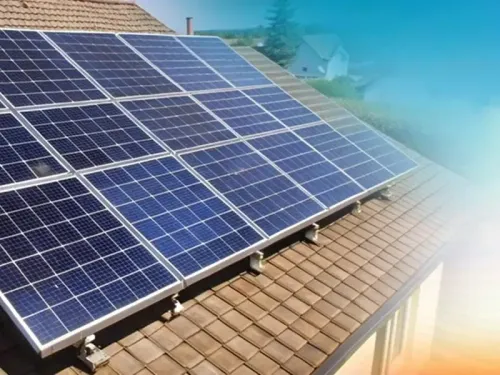
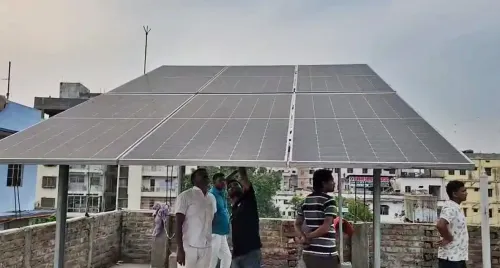
“A visit to any city, large or small, today reveals a significant change. Solar panels are now commonplace on the rooftops of numerous residences. Just a few years ago, this was a rare sight. The influence of the PM Surya Ghar Muft Bijli Yojana is being felt throughout the nation,” he stated.
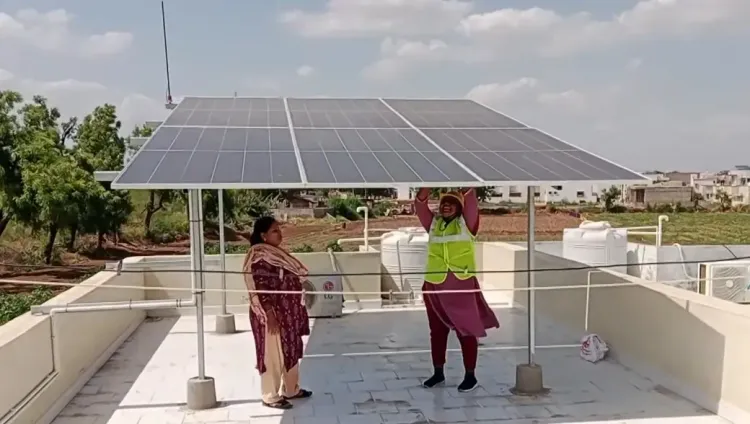
Highlighting individual success stories, PM Modi shared the journey of Payal Munjpara from Surendranagar district in Gujarat, whose life has been positively impacted by this initiative.
“After receiving training in solar technology through the Surya Initiative and completing a four-month course as a Solar PV technician, she has emerged as a proficient solar technician. Payal is establishing herself as a solar entrepreneur, executing solar rooftop installations in adjacent districts and earning considerable income monthly,” he noted.
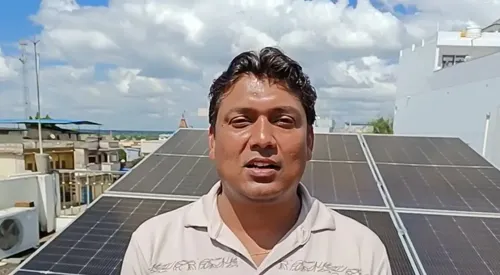
The Prime Minister also acknowledged Arun Kumar from Meerut, who has become a local energy supplier. At a recent event in Delhi, Arun Kumar shared that he is not only cutting down on his electricity costs but also profiting from selling excess energy.
“He detailed that he is saving on his electricity expenses while also selling surplus electricity,” PM Modi explained.
Focusing on agricultural advancements, PM Modi referenced Muralidhar from Jaipur.
“Previously, his farming heavily relied on a diesel pump, incurring significant annual costs. Transitioning to a solar pump has revolutionized his farming operations. He no longer faces fuel worries; irrigation is consistent, and his yearly income has surged. Most importantly, his family now enjoys a better quality of life powered by clean energy,” he stated.
Furthermore, the Prime Minister pointed out that the scheme's advantages are reaching even the most isolated areas, especially in the Northeast. Referring to Tripura, he mentioned that various villages inhabited by the Riang tribe, which previously suffered from electricity shortages, are now experiencing improvements thanks to solar mini-grids.
“In Tripura, many villages of the Riang tribe faced electricity challenges. Now, through solar mini-grids, their homes are illuminated. Children can study after dark, people can charge their mobile devices, and the social dynamics of villages are evolving,” he remarked.
Concluding his address, PM Modi asserted that these narratives symbolize a larger solar energy revolution in progress across India.
“There are countless stories of the solar energy revolution unfolding in our nation. Join this movement and inspire others to do the same,” he urged.
Point of View
Empowering individuals, and improving livelihoods across urban and rural settings. This transition is crucial for the future of India’s energy independence and sustainability.
NationPress
21 Oct 2026
Frequently Asked Questions
What is the PM Surya Ghar Muft Bijli Yojana?
It is a government initiative aimed at promoting solar energy adoption across India, providing free electricity and encouraging solar panel installations.
How does the scheme benefit farmers?
Farmers can switch from diesel pumps to solar pumps, reducing costs and improving irrigation efficiency, thereby increasing their income.
What impact has the scheme had on rural areas?
Rural areas, particularly in the Northeast, have seen improvements in electricity access and overall quality of life through solar mini-grids.
Can individuals become solar entrepreneurs through this scheme?
Yes, individuals like Payal Munjpara have received training and are now working as solar technicians and entrepreneurs.
Is the adoption of solar energy visible nationwide?
Yes, solar panels are increasingly visible on rooftops across both urban and rural regions in India.