Is India’s UPI Surging with 709 Million Active QRs and 59.33 Billion Transactions?
Synopsis
In a landmark achievement, India has recorded an astounding 709 million active UPI QRs and a staggering 59.33 billion transactions from July to September 2025. This remarkable growth highlights the increasing reliance on digital payments across the nation. Discover how UPI is reshaping the payment landscape in India!
Key Takeaways
UPI transactions increased by 33.5% year-on-year.
709 million active UPI QR codes were reported.
P2M transactions outperformed P2P transactions, showing UPI's retail dominance.
Average transaction size fell to Rs 1,262 .
PoS terminals grew to 12.12 million .
Mumbai, Dec 18 (NationPress) The volume of transactions via the unified payments interface (UPI) experienced a remarkable growth of 33.5% year-on-year, reaching 59.33 billion transactions for the July-September timeframe. The value of these transactions also saw an increase of 21%, totaling Rs 74.84 lakh crore, according to a report released on Thursday.
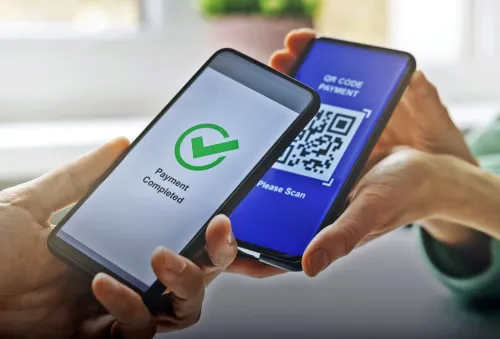
India has now achieved 709 million active UPI QR codes, representing a substantial 21% increase since July 2024. The widespread acceptance of QR codes across various sectors, including kiranas, pharmacies, transport hubs, and rural markets, has established scan-and-pay as the preferred payment method nationwide, as indicated by the report by Worldline India.
Person-to-merchant (P2M) transactions consistently surpassed person-to-person (P2P) transactions, underscoring UPI's stronghold in daily retail payments.
P2M transactions surged by 35% to 37.46 billion, while P2P transactions increased by 29% to 21.65 billion, as detailed in the report.
The third quarter of 2025 further solidified India’s status as the world’s most dynamic real-time payments economy, where each scan, tap, and click is transforming consumer and merchant interactions.
The average transaction size decreased to Rs 1,262 (down from Rs 1,363), pointing to a rise in micro-transactions related to mobility, food, healthcare essentials, and hyperlocal commerce.
The number of Point of Sale (PoS) terminals climbed by 35% to reach 12.12 million from July 2024 to July 2025. The Bharat QR tally stood at 6.10 million, showing a slight drop as UPI QR codes gained dominance.
Private banks led the way in acceptance deployment, capturing 84% of the market share. Credit card issuance rose by 8% year-on-year, totaling 113.39 million cards, while debit cards reached 1.02 billion, and prepaid cards amounted to 470.1 million.
Credit card transactions increased by 26% to 1.45 billion, with transaction values reaching Rs 6.07 lakh crore. Conversely, debit card transactions fell by 22%, indicating a shift of low-value spending to UPI, as the report highlighted.
Mobile and tap-based payments continued to grow, with the adoption of contactless payments gaining traction across metropolitan areas, mobility services, and quick-service retail.
The outlook for Q4 2025 and early 2026 suggests accelerated innovation and deeper integration within the ecosystem. Interoperable QR codes are anticipated to transition from pilot phases to routine usage across mobility services, healthcare, fuel stations, and public utilities, offering a cohesive scan-and-pay experience,” the report stated.
Point of View
It is evident that India's robust growth in UPI transactions exemplifies the country's rapid transition to digital finance. This surge not only signifies convenience for consumers but also reflects the ongoing evolution of the payment ecosystem, which aligns with the nation's vision for a cashless economy.
NationPress
19 Sept 2026
Frequently Asked Questions
How many UPI transactions were recorded in the July-September period?
India recorded an astonishing 59.33 billion UPI transactions in the July-September 2025 period.
What factors contributed to the growth of UPI?
The growth of UPI can be attributed to widespread QR code acceptance, increased usage of mobile payments, and the convenience it offers for everyday transactions.
What is the average transaction size for UPI?
The average ticket size for UPI transactions decreased to Rs 1,262 in the July-September 2025 period.
How many active UPI QR codes are there in India?
India has achieved 709 million active UPI QR codes as of December 2025.