Racial abuse video: Influencer Amir Shokeen gets 5-day police custody
Synopsis
Delhi influencer Amir Shokeen has been sent to five days of police custody over a racial harassment video targeting a man from Tripura — a case that spotlights the legal accountability of content creators who mock people from Northeast India. With investigators still tracing a mobile phone in Ahmedabad, the full picture of how the video was made is yet to emerge.
Key Takeaways
Amir Shokeen , a Delhi-based social media influencer, was sent to five days of police custody by the Tis Hazari Court on Saturday, 25 October 2026 .
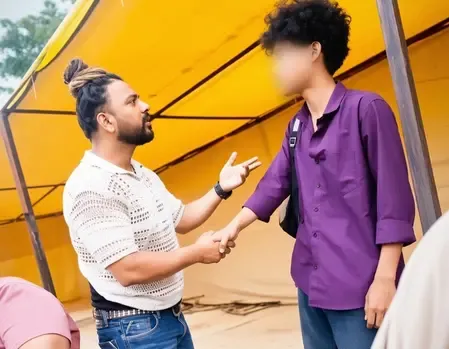
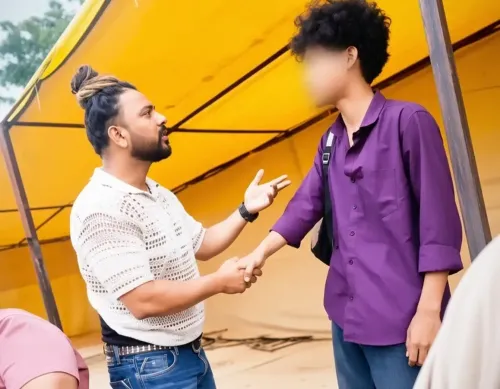
The case relates to a video allegedly showing racial harassment of a man from Tripura .
Police said they need to recover a mobile phone and travel to Ahmedabad to complete their probe.
Shokeen had claimed in a Facebook post that the video was scripted and both participants were joking.
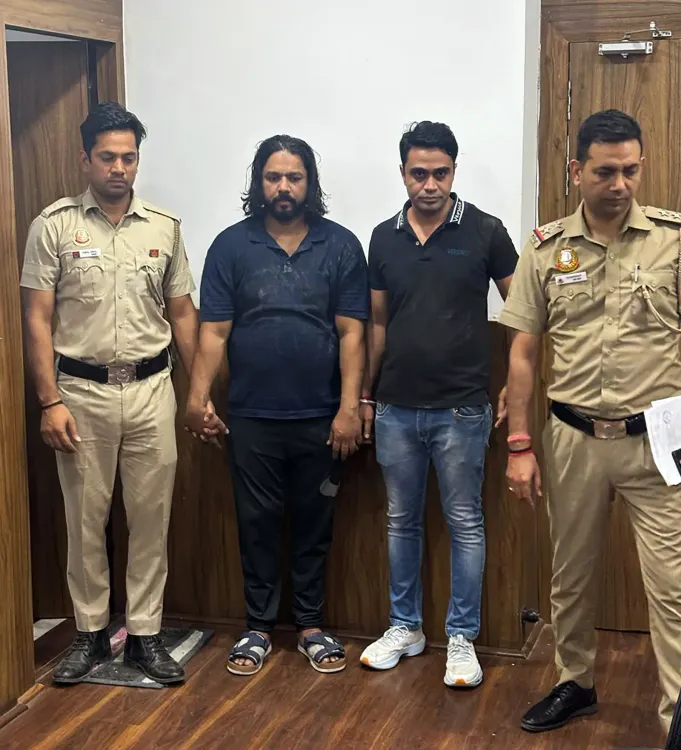
He was arrested from Karol Bagh , New Delhi, on Thursday ; this is not his first case under the Bharatiya Nyaya Sanhita (BNS) .
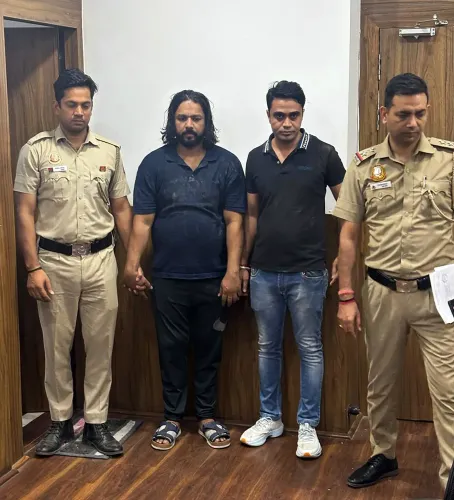
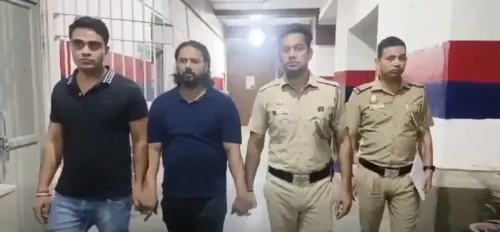
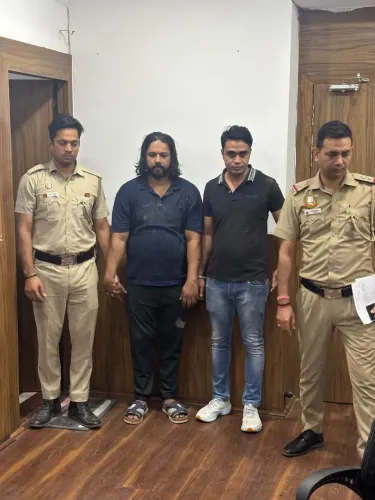
Social media influencer Amir Shokeen was on Saturday, 25 October 2026 sent to five days of police custody by the Tis Hazari Court in New Delhi, in connection with a racial harassment and humiliation case involving a man from Tripura, captured in a video that spread widely on social media platforms. The court's order came after Shokeen's one-day judicial custody — granted the previous day — expired.
What the Court Ordered
The Tis Hazari Court heard arguments from both the prosecution and the defence before granting five days of police custody. Investigators told the court they still needed to recover a mobile phone linked to the case and travel to Ahmedabad as part of the probe. The defence counsel noted that the precise location of the phone in Ahmedabad had not yet been established.
How the Arrest Unfolded
Delhi Police arrested Shokeen from the Karol Bagh area on Thursday. He was initially placed in one-day judicial custody by the Tis Hazari Court on Friday, and was produced again on Saturday when the extended police custody was granted. According to investigators, the controversial video was reportedly made approximately one month ago.
Shokeen's Defence and Prior Apology
Following the video's circulation and the public backlash it triggered, Shokeen issued an apology. In a Facebook post, he claimed the video was scripted and that the man seen in it was known to him personally — reportedly a former employee at a friend's café in Ahmedabad. He described the clip as a humorous exchange in which both individuals were joking, and stated he had no intention of insulting anyone based on their background.
Shokeen's Prior Legal Record
This is not the first time Amir Shokeen has faced police action. Earlier cases under Sections 323, 324, 504, and 506 of the Bharatiya Nyaya Sanhita (BNS) had been registered against him, according to officials. The latest arrest has drawn fresh attention to the accountability of social media influencers for content that targets individuals on grounds of regional or ethnic identity.
Broader Context
The case comes amid growing concerns about racially charged content targeting people from Northeast India, a region whose residents frequently report discrimination and mockery in cities across the country. Advocacy groups and Northeast diaspora communities have increasingly demanded stronger legal action against such content creators. The investigation's next steps, including the Ahmedabad visit, are expected to determine the full circumstances of the video's production.
Point of View
Then retreating behind the 'it was scripted' defence when legal pressure mounts. That defence has rarely held up in Indian courts when the subject of the video belongs to a community with a documented history of discrimination. What is notable here is the speed of arrest — Delhi Police moved within days of the video going viral — suggesting that pressure from Northeast diaspora communities and political stakeholders is starting to translate into actual enforcement. Whether the charge-sheet can sustain a conviction, however, will depend on the evidence recovered in Ahmedabad, and on whether the courts treat regional-identity-based mockery with the same severity as other forms of targeted harassment.
NationPress
24 Oct 2026
Frequently Asked Questions
Why was Amir Shokeen arrested?
Amir Shokeen was arrested by Delhi Police in connection with a video that allegedly showed racial harassment and humiliation of a man from Tripura. The video circulated on social media and triggered widespread public outrage before police moved to detain him from the Karol Bagh area.
What did the Tis Hazari Court order?
The Tis Hazari Court granted five days of police custody to Amir Shokeen on Saturday, after hearing arguments from both sides. The court had earlier placed him in one-day judicial custody on Friday; Saturday's order followed the expiry of that term.
What is Amir Shokeen's defence?
Shokeen claimed in a Facebook post that the video was scripted and that the man featured in it was a former employee at a friend's café in Ahmedabad whom he knew personally. He described the clip as a humorous exchange and denied any intent to insult the man on the basis of his identity.
Has Amir Shokeen faced legal trouble before?
Yes. Cases under Sections 323, 324, 504, and 506 of the Bharatiya Nyaya Sanhita (BNS) had previously been registered against Shokeen, according to officials. The current case is not his first encounter with the law.
What are investigators looking for next?
Police stated in court that they still need to recover a mobile phone linked to the case and intend to travel to Ahmedabad as part of the investigation. The exact location of the phone in Ahmedabad has not yet been confirmed, according to the defence counsel.