Smriti Irani Highlights Act East Policy Gains in India-ASEAN Ties
Synopsis
BJP leader Smriti Irani invoked India's Act East Policy on November 17, 2026, citing direct flights with nine ASEAN nations and growing tourism as proof of deepening India-ASEAN ties — a relationship that traces its roots to the Look East Policy of 1991.
Key Takeaways
Smriti Irani credited the Act East Policy with giving India-ASEAN relations 'new momentum and new depth.' She pointed to direct flights with nine ASEAN countries and rising tourism as concrete indicators of closer ties.
The Act East Policy was announced by PM Narendra Modi at the ASEAN-India Summit in Myanmar in November 2014 , upgrading the earlier Look East Policy of 1991 .
Connectivity — through air links, the ASEAN-India Free Trade Agreement , and multilateral forums like the East Asia Summit — forms the core pillar of the framework.
The next review of the ASEAN-India Air Transport Agreement will determine how far flight liberalisation can be extended.
Thirty-two years after India first turned its gaze eastward, the connections that policy built now show up in airport departure boards and rising tourist arrivals. BJP leader Smriti Irani on Tuesday, November 17, 2026, pointed to direct flights and growing tourism between India and nine ASEAN nations as tangible proof that the Act East Policy has given the relationship both new momentum and new depth.
Irani wrote: 'हमारी Act East Policy ने भारत-आसियान संबंधों को नई गति, और नई गहराई दी है।' — 'Our Act East Policy has given India-ASEAN relations new momentum and new depth.' She added that direct flights and rising tourism between India and nine ASEAN countries stand as proof of that growing closeness.
From 'Look East' to 'Act East': Thirty Years of Turning the Page
The story begins in 1991, when Prime Minister P.V. Narasimha Rao launched the Look East Policy — a strategic pivot towards Southeast Asia at a moment when India was simultaneously liberalising its economy. For over two decades, the framework deepened trade and diplomatic ties with the Association of Southeast Asian Nations (ASEAN), a ten-member regional bloc whose combined economic and strategic weight is impossible to ignore.
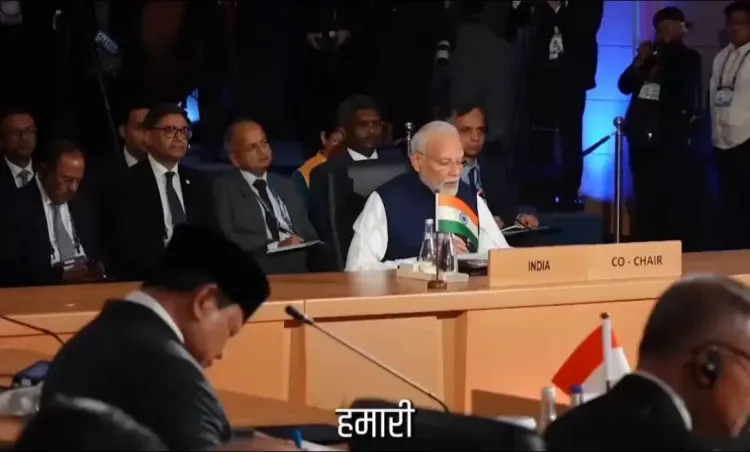
Then came the upgrade. At the ASEAN-India Summit in Myanmar in November 2014, Prime Minister Narendra Modi rebranded and re-energised the framework as the Act East Policy — signalling a shift from passive engagement to active initiative. The name change carried a message: India would not merely look; it would move.
Flights, Footfalls, and the Connectivity Pillar
Direct air links sit at the heart of Act East's connectivity agenda, alongside instruments such as the ASEAN-India Free Trade Agreement. The logic is straightforward — when it is easier and cheaper to fly between two countries, business delegations follow, students follow, and tourists follow. People-to-people ties, once built, are harder to unravel than any single trade deal.
India also participates in ASEAN-led multilateral mechanisms, including the East Asia Summit, anchoring itself in the region's security and economic architecture. The dual track — bilateral connectivity plus multilateral presence — gives Act East its structural breadth.
What the Relationship Looks Like in Practice
Irani's post arrives as the India-ASEAN relationship enters its fourth decade of deliberate cultivation. The diplomatic calendar — ASEAN summits, ministerial meetings, track-two dialogues — keeps the relationship structurally active. The next review of the ASEAN-India Air Transport Agreement will be a practical test of how much further flight liberalisation both sides are willing to push, with more routes and more carriers the obvious prize.
Connectivity, in the Act East framework, is never just logistics. It is strategy made tangible — a runway that doubles as a relationship.
Point of View
A holiday itinerary. By anchoring Act East's success in direct flights and tourism rather than treaty text, the BJP frames connectivity as a governance achievement legible to ordinary citizens. The emphasis also signals that India's Indo-Pacific strategy is as much about commercial and people-to-people integration as it is about security alignment. Ahead of any ASEAN-India summit review cycle, such messaging sets the political baseline for what New Delhi will claim as wins.
NationPress
17 Nov 2026
Frequently Asked Questions
What is India's Act East Policy?
India's Act East Policy is a foreign policy framework launched by PM Narendra Modi in November 2014 at the ASEAN-India Summit in Myanmar, designed to deepen economic, strategic, and people-to-people ties with Southeast Asian nations. It was an upgrade of the earlier Look East Policy introduced in 1991.
What is the difference between Look East Policy and Act East Policy?
The Look East Policy, launched in 1991 under PM P.V. Narasimha Rao, focused on building initial economic and diplomatic engagement with Southeast Asia. The Act East Policy, announced in 2014, rebranded the framework to signal a more proactive and comprehensive approach, including stronger connectivity, trade, and participation in regional multilateral bodies.
What did Smriti Irani say about India-ASEAN relations?
Smriti Irani stated on November 17, 2026, that India's Act East Policy has given India-ASEAN relations new momentum and depth, citing direct flights with nine ASEAN countries and growing tourism as evidence of the strengthening relationship.
How many ASEAN countries does India have direct flights with?
According to Smriti Irani's post, India currently has direct flights with nine ASEAN member countries, which she cited as a marker of the growing closeness under the Act East Policy.
What is the ASEAN-India Free Trade Agreement?
The ASEAN-India Free Trade Agreement is a trade pact between India and ASEAN member states that forms part of the connectivity and economic integration pillar of India's Act East Policy, complementing air links and people-to-people exchanges.