Sakina Itoo, Sajad Lone slam Mehbooba Mufti over AIIMS Awantipora review
Synopsis
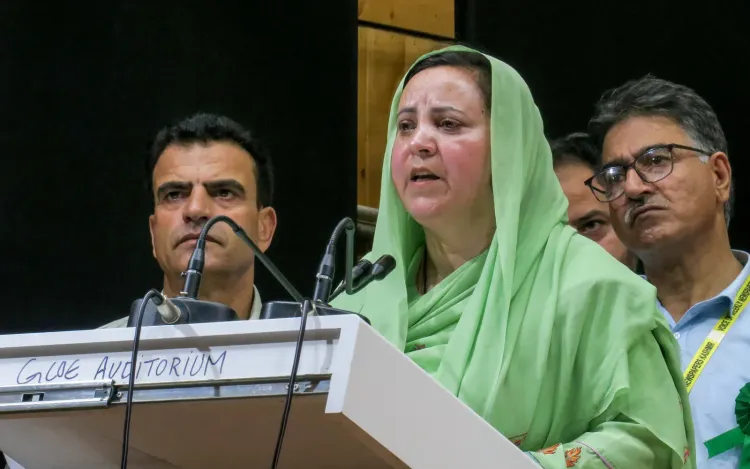
Mehbooba Mufti chaired a review meeting of AIIMS Awantipora — a central institution — without holding any elected office, triggering sharp rebukes from J&K Health Minister Sakina Itoo and MLA Sajad Lone, who called it constitutionally improper and warned it could spawn an unaccountable 'third power centre' in the Union Territory.
Key Takeaways
Mehbooba Mufti chaired a review meeting of AIIMS Awantipora in Anantnag district despite holding no current elected office.
J&K Health Minister Sakina Itoo accused Mufti of 'political amnesia,' questioning her authority and asking which Delhi power centre sanctioned the move.
Sajad Lone called the action a constitutional impropriety and warned it could create a 'third power centre' in J&K .
Lone demanded Chief Minister Omar Abdullah clarify whether any government order or authorisation existed for Mufti's chairmanship.
Mufti said the AIIMS Awantipora project was the dream of her late father, former CM Mufti Mohammad Sayeed .
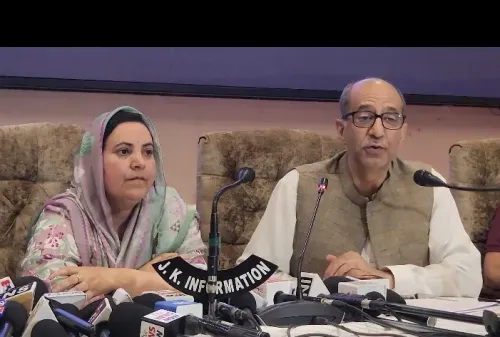
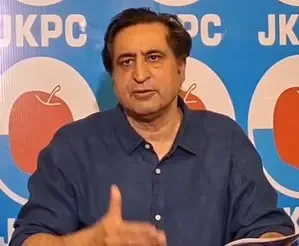
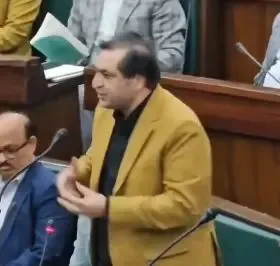
J&K Health Minister Sakina Itoo and Peoples Conference MLA Sajad Lone on 6 June publicly criticised former Chief Minister and Peoples Democratic Party (PDP) president Mehbooba Mufti for chairing a review meeting of developmental works at AIIMS Awantipora in Anantnag district. Both leaders questioned the constitutional basis on which Mufti, currently out of elected office, assumed authority over a centrally funded institution.
Itoo's Broadside: 'Political Amnesia'
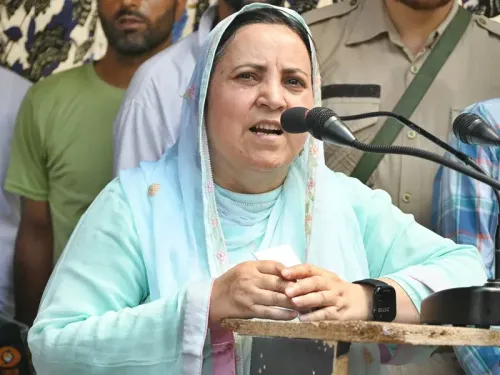
Taking to X, Itoo accused Mufti of behaving as though she were still in power, despite having lost office in 2018 and being, in Itoo's words, 'repeatedly rejected by the people.' She questioned in what capacity former rulers were conducting reviews of the AIIMS Awantipora project and asked pointedly which power centre in Delhi was directing such actions.
Itoo further argued that the irony was stark — those responsible for the project's slow pace were now attempting to claim ownership of its progress. She credited the project's forward momentum to the 'focused efforts, monitoring, and commitment' of the present government under Chief Minister Omar Abdullah.
Lone's Constitutional Challenge
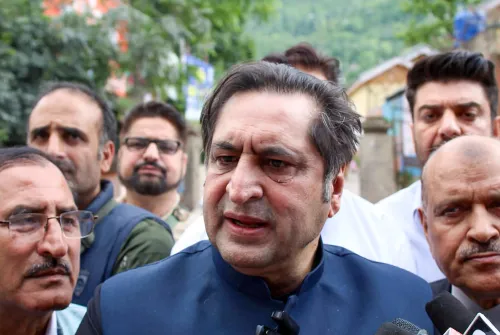
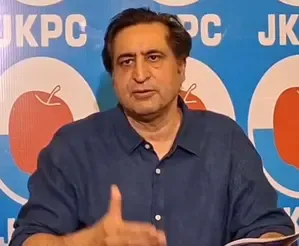
Sajad Lone went further, framing the episode as a constitutional impropriety. He argued that Mufti, not being an MLA, had no authority to chair a review meeting of a central institution. He drew a sharp comparison: if she could do so, he said, then non-elected functionaries of the Rashtriya Swayamsevak Sangh (RSS) or the Bharatiya Janata Party (BJP) could claim similar rights, given their larger organisational footprint.
Lone questioned why leaders such as Farooq Abdullah, Ghulam Nabi Azad, or Nirmal Singh had not exercised equivalent latitude, and whether such political entitlement existed anywhere else in India. He warned that Mufti's action risked opening the door to unelected individuals chairing institutional meetings in Kashmir, potentially creating what he called 'a third power centre in J&K' that could further disempower elected institutions.
Lone urged Chief Minister Omar Abdullah to publicly clarify the matter, asserting that 'even the Union health minister could not redesign constitutional roles' and that Mufti's chairmanship amounted to an 'unconstitutional trespass.'
What Triggered the Controversy
The dispute arose after Mehbooba Mufti chaired a review meeting of AIIMS Awantipora on Thursday. Speaking to reporters after the meeting, she said that establishing the institution had been the dream of her late father, former Chief Minister Mufti Mohammad Sayeed, and that she was glad to see it moving towards realisation. The PDP has long staked a political claim to the AIIMS project as part of its legacy in the region.
Wider Political Context
This is not the first time questions of constitutional propriety have surfaced around the roles of opposition figures in Jammu and Kashmir since the restoration of statehood proceedings and the formation of the Omar Abdullah-led government. The episode reflects the continuing tension between the elected dispensation and opposition parties seeking to maintain public visibility on flagship development projects. Notably, AIIMS Awantipora has been a politically sensitive project — its delays under previous governments have been a recurring point of contention across party lines.
With the ruling coalition pushing back sharply, the controversy is likely to intensify scrutiny of how opposition leaders engage with central institutions in the Union Territory going forward.
Point of View
The precedent is genuinely destabilising. The Omar Abdullah government's silence on whether any authorisation existed is conspicuous and needs an answer.
NationPress
21 Oct 2026
Frequently Asked Questions
Why did Mehbooba Mufti chair the AIIMS Awantipora review meeting?
Mehbooba Mufti chaired the review meeting citing her personal connection to the project, saying it was the dream of her late father, former Chief Minister Mufti Mohammad Sayeed. She has not publicly cited any formal authorisation for the role.
What is the constitutional objection raised by Sajad Lone?
Sajad Lone argued that Mufti, not being a sitting MLA, had no constitutional authority to chair a review meeting of a central institution like AIIMS. He called it an 'unconstitutional trespass' and demanded the Chief Minister clarify whether any government order or notification sanctioned her role.
What did J&K Health Minister Sakina Itoo say about the incident?
Itoo said on X that Mufti appeared to be suffering from political amnesia, acting as if she were still in power despite losing office in 2018. She questioned which Delhi power centre was directing such actions and credited AIIMS Awantipora's progress to the Omar Abdullah government's efforts.
What is AIIMS Awantipora and why is it politically significant?
AIIMS Awantipora is a central government medical institution being developed in Anantnag district of Jammu and Kashmir. It has been politically significant for the PDP, which has long associated the project with the legacy of former Chief Minister Mufti Mohammad Sayeed.
What has Sajad Lone warned could happen if such actions go unchecked?
Lone warned that Mufti's chairmanship could set a precedent allowing unelected individuals to chair institutional meetings in Kashmir, potentially creating a third power centre in J&K that could further disempower the elected government and constitutional institutions.