Jacqueline Fernandez pleads not guilty in ₹200 crore Sukesh Chandrashekhar case
Synopsis
Jacqueline Fernandez has chosen the courtroom over a plea deal. After withdrawing her bid to turn approver, the actor pleaded not guilty in the ₹200 crore Sukesh Chandrashekhar money laundering case and will now face trial alongside 15 others, including Chandrashekhar's wife Leena Maria Paul. Next hearing: 16 July.
Key Takeaways
Jacqueline Fernandez pleaded not guilty before the Patiala House Court on 3 June in the ₹200 crore money laundering case.
Charges were framed against 16 accused , including Sukesh Chandrashekhar and his wife Leena Maria Paul ; all pleaded not guilty.
The ED alleges Jacqueline received luxury gifts worth around ₹7 crore sourced from proceeds of crime.
The actor had earlier withdrawn her plea to become an approver after the ED opposed it, citing incomplete disclosures under Section 50 of the PMLA.
The case originates from alleged cheating of the wives of former Ranbaxy promoters Shivinder and Malvinder Singh of nearly ₹200 crore .
Next hearing scheduled for 16 July .
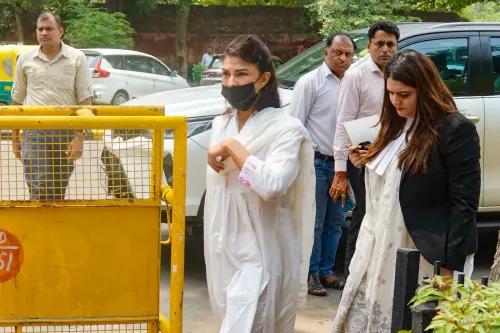
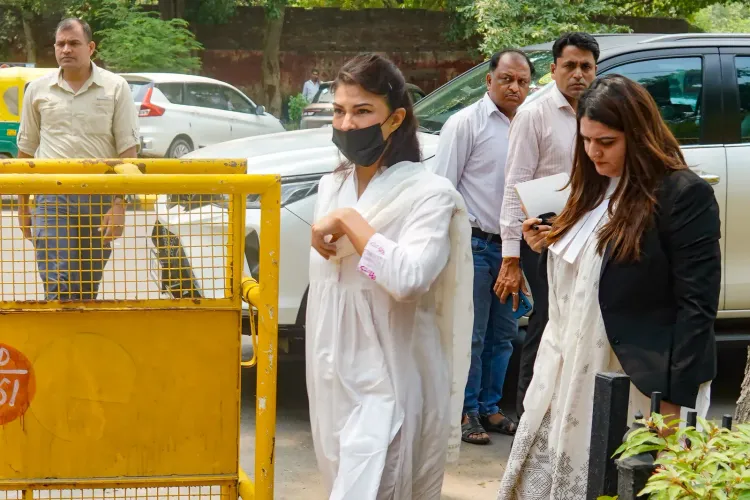
Bollywood actor Jacqueline Fernandez on Wednesday, 3 June pleaded not guilty before a Delhi court in the ₹200 crore money laundering case linked to alleged conman Sukesh Chandrashekhar, telling the bench she was willing to contest the matter on merits. Appearing before the Patiala House Court, the actor denied the charges framed against her under the Prevention of Money Laundering Act (PMLA) and opted to face trial.
Charges framed against 16 accused
The court also framed money laundering charges against Chandrashekhar, his wife Leena Maria Paul, and 14 others. All the accused pleaded not guilty and sought trial. The matter has been listed for further hearing on 16 July.
Approver plea withdrawn earlier
The development comes weeks after Jacqueline withdrew her application seeking to be made an approver in the case. The move followed strong opposition from the Enforcement Directorate (ED), which told the court that the actor's conduct during the investigation was reportedly “not satisfactory” and that she had failed to make a “full and true disclosure” in her statements recorded under Section 50 of the PMLA.
What the ED has alleged
The federal anti-money laundering agency contended that Jacqueline did not fully cooperate with the probe and consistently failed to make complete and truthful disclosures regarding the alleged proceeds of crime generated by Chandrashekhar. Opposing her plea to turn prosecution witness, the ED further alleged that she remained in regular contact with Chandrashekhar even after learning about his criminal antecedents.
According to the probe agency, Chandrashekhar arranged luxury gifts, valuables, and other benefits for the actor using proceeds of crime. The ED has accused Jacqueline of receiving gifts worth around ₹7 crore. The actor has consistently maintained that she had no knowledge of his alleged criminal activities or the source of the money used for those gifts.
Origin of the case
The money laundering case stems from allegations that Chandrashekhar cheated the wives of former Ranbaxy promoters Shivinder Singh and Malvinder Singh of nearly ₹200 crore. The ED's case maps how those alleged proceeds were routed through a network of associates and into high-value gifts and lifestyle expenses.
What happens next
With charges now framed and all 16 accused opting to contest, the case moves into the trial stage on 16 July. Jacqueline's defence is expected to hinge on demonstrating that she had no knowledge of the source of the gifts she received — the same line she has held publicly since the probe began.
Point of View
Not cooperate, is the more consequential turn here. Approver status would have given her legal cover but required full disclosure — something the ED says she has not offered. By choosing trial, she is betting that the agency cannot prove she knew the gifts were tainted, a notoriously hard standard to meet in PMLA cases involving high-value personal benefits. The case will also test how Indian courts treat 'wilful blindness' in celebrity-adjacent laundering — an area with surprisingly little settled precedent.
NationPress
21 Oct 2026
Frequently Asked Questions
What is the Jacqueline Fernandez money laundering case about?
It is a ₹200 crore money laundering case in which the ED has accused alleged conman Sukesh Chandrashekhar of cheating the wives of former Ranbaxy promoters Shivinder and Malvinder Singh and using the proceeds to give luxury gifts to Bollywood actor Jacqueline Fernandez. She has been accused of receiving gifts worth around ₹7 crore.
Why did Jacqueline Fernandez plead not guilty?
She has consistently maintained that she had no knowledge of Sukesh Chandrashekhar's alleged criminal activities or the source of the money used for the gifts she received. On 3 June, she formally denied the charges framed under the PMLA and opted to contest the case on merits.
Why was her plea to become an approver withdrawn?
Jacqueline withdrew the application after the Enforcement Directorate strongly opposed it, telling the court her conduct during the investigation was 'not satisfactory' and that she had failed to make a 'full and true disclosure' in her statements under Section 50 of the PMLA.
Who else has been charged in the case?
The court framed charges against 16 accused in total, including Sukesh Chandrashekhar, his wife Leena Maria Paul, and 14 others. All have pleaded not guilty and opted to face trial.
When is the next hearing?
The Patiala House Court has listed the matter for further hearing on 16 July, when the trial process is expected to move forward.