Jagan calls Andhra municipal polls a 'dark chapter', alleges TDP rigging across 27 ULBs
Synopsis
Jagan Mohan Reddy didn't just cry foul — he named 27 urban local bodies and alleged that 360 booths were captured, 1,500–2,000 people were the subject of Supreme Court evidence, and only 2 of 66 Kadapa nominations survived. YSRCP's decision to stay in the contest despite these alleged conditions may prove critical if the party returns to court seeking repolling.
Key Takeaways
YS Jagan Mohan Reddy called the 1 November 2026 Andhra Pradesh urban local body polls a 'dark chapter in the history of democracy' in a post on X .
He alleged that 70 out of 80 booths in his home constituency Pulivendula barred YSRCP polling agents from entering.
YSRCP claimed irregularities across at least 27 urban local bodies , including Visakhapatnam, Vijayawada, Tirupati, Guntur, and Kadapa.
The party alleged that nearly 360 booths saw YSRCP agents forcibly removed, with bogus voting allegedly occurring thereafter.
In Kadapa , only 2 out of 66 nominations filed by YSRCP candidates were reportedly retained.
YSRCP has announced plans to demand repolling, approach courts again, and escalate the matter to the national level.
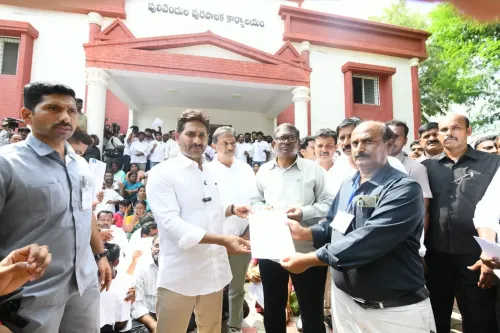
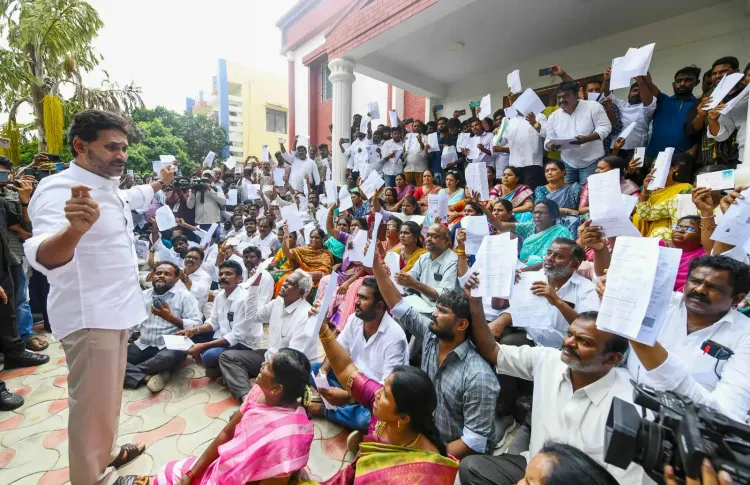
YSR Congress Party (YSRCP) president and former Chief Minister YS Jagan Mohan Reddy on Sunday, 1 November 2026 described the polling for urban local body (ULB) elections in Andhra Pradesh as 'a dark chapter in the history of democracy,' alleging widespread rigging, voter intimidation, and obstruction of party polling agents — reportedly with police complicity.
What Jagan Alleged on X
In a post on X (formerly Twitter), Jagan wrote: 'Broad daylight rigging, polling agents being obstructed and pulled out, and voters openly threatened and prevented from exercising their right to vote, all in the presence of police.' He also shared a video clip purportedly showing violence and rigging allegedly by Telugu Desam Party (TDP) cadres during polling.
Specifically calling out his home constituency Pulivendula, he alleged that in 70 out of 80 polling booths, YSRCP polling agents were barred from entering polling stations. 'Who is to identify the voter?' he asked.
Jagan alleged that similar incidents occurred across at least 27 urban local bodies, including Kadapa, Anantapur, Tirupati, Kurnool, Visakhapatnam (GVMC), Vijayawada, Guntur, Nellore, Chittoor, Ongole, and several others.
Jagan's Broader Charge Against Chandrababu Naidu
The former chief minister directly targeted Chief Minister N. Chandrababu Naidu, saying that under his watch, 'Andhra Pradesh's electoral system is collapsing alarmingly, with democratic institutions totally hijacked.' He added: 'This is no longer an election; it's only your selection. It is an assault on democracy and a brazen attempt to subvert the people's mandate!'
Jagan also saluted what he described as 'brave women and dedicated party cadre who stood their ground and fought till the very last minute to save democracy.'
YSRCP Demands Repolling, Eyes Supreme Court
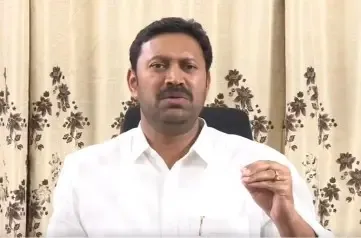
YSRCP State Coordinator Sajjala Ramakrishna Reddy, speaking at the party's central office, said the municipal polling process had been reduced to 'a farce,' with Naidu allegedly resorting to large-scale electoral manipulation to manufacture an artificial victory. He said the party would demand repolling, escalate the matter to the national level, and approach the courts once again.
Sajjala outlined a pattern of alleged obstruction that reportedly began at the nomination stage: YSRCP candidates were allegedly prevented from filing nominations, nomination papers were torn, names vanished from final lists, nominations were rejected during scrutiny, and candidates were pressured to withdraw. Leaders were also subjected to 'cases, bind-overs and house arrests,' he alleged.
He said the party had already approached the Supreme Court with evidence concerning nearly 1,500 to 2,000 individuals, but that even court directions on CCTV surveillance and extension of the nomination window were not effectively implemented by the State Election Commission (SEC).
Scale of Alleged Irregularities on Polling Day
Despite all obstacles, YSRCP chose not to boycott the elections, contesting on Jagan's direction until the final moment. According to Sajjala, in Kadapa, only 2 out of 66 nominations were retained. On polling day, he claimed, nearly 360 booths saw YSRCP agents forcibly removed, with bogus votes allegedly cast thereafter with police support.
Sajjala named Macherla, Chilakaluripet, Jammalamadugu, Madanapalle, Dhone, Tadipatri, Chimakurthy, Kuppam, Pulivendula, Kadapa, and Chittoor as areas requiring repolling. He further cited irregularities in Anantapur, Nellore, Kurnool, Ongole, Vinukonda, Markapuram, Yemmiganur, and Nagari.
He alleged that police, Presiding Officers, and Returning Officers facilitated the ruling party's actions while the SEC failed to intervene. NationPress could not independently verify the specific allegations; the TDP government has not yet issued a formal response to these charges.
What Comes Next
YSRCP has signalled it will pursue legal remedies at both the state and national levels, and a fresh court petition is expected imminently. The party's decision to contest despite alleged intimidation — rather than boycott — may shape how courts assess the credibility of its grievances going forward.
Point of View
27 towns affected, and Supreme Court directions reportedly ignored by the State Election Commission — goes beyond routine post-poll grievance. If even a fraction of these claims are substantiated, the legitimacy of the entire ULB election cycle in Andhra Pradesh is in question. What makes this politically charged is context: Jagan is a former chief minister who himself faced allegations of administrative overreach in office, which makes independent verification of the current charges all the more essential. The more significant institutional question is whether the SEC, already criticised for not acting on prior Supreme Court directions, can serve as a credible arbiter — or whether judicial oversight is the only viable recourse.
NationPress
2 Nov 2026
Frequently Asked Questions
What did Jagan Mohan Reddy allege about the Andhra Pradesh municipal elections?
Jagan Mohan Reddy alleged 'broad daylight rigging,' intimidation of voters, and obstruction of YSRCP polling agents at booths across at least 27 urban local bodies during the 1 November 2026 municipal polls. He posted a video on X and directly blamed TDP cadres and the police for the alleged irregularities.
Which areas did YSRCP specifically flag for repolling?
YSRCP State Coordinator Sajjala Ramakrishna Reddy named Macherla, Chilakaluripet, Jammalamadugu, Madanapalle, Dhone, Tadipatri, Chimakurthy, Kuppam, Pulivendula, Kadapa, and Chittoor as constituencies requiring repolling. He also cited irregularities in Anantapur, Nellore, Kurnool, Ongole, Vinukonda, Markapuram, Yemmiganur, and Nagari.
Did YSRCP boycott the Andhra Pradesh ULB elections?
No. Despite widespread alleged obstruction, YSRCP chose to contest the elections on Jagan Mohan Reddy's direction and fought until the final stage. The party's decision not to boycott could be significant if it moves courts seeking repolling, as it remained a participant in the process.
Has the Supreme Court been approached over the Andhra ULB elections?
Yes. Sajjala Ramakrishna Reddy said YSRCP had already approached the Supreme Court with evidence concerning nearly 1,500 to 2,000 individuals, but alleged that even court directions on CCTV surveillance and nomination extension were not effectively implemented by the State Election Commission.
What is YSRCP's next step following the municipal poll allegations?
YSRCP has announced it will formally demand repolling, escalate the matter to national-level authorities, and file fresh petitions in court. The party has framed this as an ongoing legal and political battle rather than a one-off complaint.