Exposing Jaish-e-Mohammad's Strategy to Cultivate Student Terrorists in India
Synopsis
In a chilling revelation, investigators uncover Jaish-e-Mohammad's plan to infiltrate educational institutions in India, targeting students for radicalization and recruitment. Discover how this long-term strategy poses a serious threat to national security.
Key Takeaways
JeM is targeting educational institutions for recruitment.
The organization aims for long-term radicalization of students.
Recent arrests indicate a proactive response from law enforcement.
Smaller modules reduce the risk of detection.
Radicalized students pose a serious threat to national security.
New Delhi, March 7 (NationPress) In the investigation surrounding the Faridabad module, authorities discovered that Jaish-e-Mohammad (JeM) successfully penetrated a medical college, enlisting doctors to orchestrate attacks within India.
This sophisticated module obtained over 2,500 kilograms of ammonium nitrate, intending to execute a series of assaults in and around Delhi.
Intelligence agencies have now uncovered a further scheme where JeM aims to infiltrate educational institutions, targeting students for radicalization. The organization is disseminating propaganda to recruit young individuals who would, in turn, propagate their ideology among peers.
The establishment of these student modules aligns with JeM's long-term strategy, an official indicated.
Such tactics are not unique to JeM; both JeM and Lashkar-e-Taiba have employed similar methods in Pakistan and are looking to replicate this in India.
By selecting students at a young age for radicalization, these groups are laying the groundwork for future operations. By the age of 20 or 25, these individuals could be so thoroughly radicalized that they would be prepared to execute terrorist actions nationwide, the official noted.
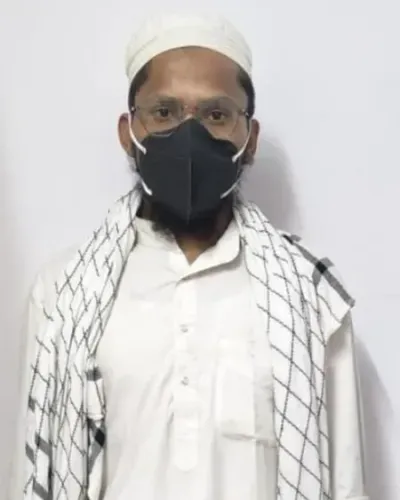
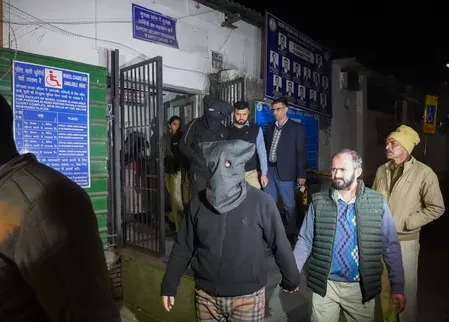
This week, the Maharashtra Anti Terrorist Squad (ATS) apprehended a student in Mumbai, suspected of being affiliated with a JeM module.
The accused, Ayan Shaikh, had been in Mumbai for six months, engaging with several young people in an effort to radicalize and enlist them into JeM.
He succeeded in indoctrinating two students, convincing them to travel abroad for training to conduct terror attacks, as uncovered by the investigation. However, the ATS successfully thwarted this operation.
An official from the Intelligence Bureau reported that such attempts are occurring across various states.
JeM recognizes that students often remain under the radar of security measures. Moreover, this strategy reflects a long-term game plan, aiming to cultivate a cadre of highly radicalized operatives.
The official explained that JeM does not rush to recruit large groups of students; instead, they are focusing on gradual recruitment with a vision extending five to ten years ahead. This approach allows them to consistently maintain a significant number of recruits ready for action.
Another official highlighted that the intention is not to gather a large group of students in one location for planning attacks. The JeM learned from the Faridabad case that having too many individuals in a module increases the risk of detection. If more than three individuals are involved, their communications become traceable, and the likelihood of one acting irrationally increases, potentially leading to their capture.
In the student module, the organization prefers individuals to operate as lone wolves or in pairs. This strategy reduces the chances of exposure to security forces. Ideally, they aim to foster a lone wolf approach.
An individual may act independently in selecting a target or receive instructions from a handler regarding their actions.
Officials emphasized the importance of preventing this trend. Should JeM succeed in establishing a cadre of students over the years, it could create a perilous situation. The recruits would not feel immediate pressure to act, providing JeM additional time for their radicalization.
If these individuals undergo radicalization for three to five years, breaking their commitment would prove exceedingly difficult, another official concluded.
Point of View
This situation highlights a significant and alarming trend where extremist organizations are targeting the youth of India. The gradual yet calculated approach of radicalization warrants serious attention from authorities and communities alike, emphasizing the need for preventive measures to protect our future generations.
NationPress
30 Sept 2026
Frequently Asked Questions
What is Jaish-e-Mohammad's plan in India?
Jaish-e-Mohammad aims to infiltrate educational institutions to radicalize and recruit students for terrorist activities.
How are students being targeted?
The organization is disseminating propaganda to recruit young individuals who will spread their ideology among peers.
What has been the response from law enforcement?
The Maharashtra Anti Terrorist Squad has made arrests and is actively investigating these infiltration attempts.
Why is radicalizing students a long-term strategy?
Young recruits can be indoctrinated over several years, making them more committed to extremist actions later in life.
What are the risks associated with large recruitment modules?
Having too many individuals in a module increases the risk of detection and potential capture by security forces.