Maharashtra ATS Arrests Additional Suspects Linked to Engineering Student's Alleged Terror Ties

Synopsis
In a critical development, the Maharashtra ATS has detained two additional suspects as part of the investigation into a 21-year-old engineering student's alleged connections to extremist organizations like Jaish-e-Mohammed and ISIS. This inquiry sheds light on radicalization via social media platforms.
Key Takeaways
Maharashtra ATS detains two additional suspects linked to extremist activities.
Ayan Yusuf Sheikh, a computer science student, was previously arrested for ties to Jaish-e-Mohammed and ISIS.
Investigation reveals significant influence of extremist content on Sheikh's radicalization.
Telegram groups are identified as platforms for spreading hate and extremist ideology.
Authorities emphasize the need for vigilance against online radicalization.
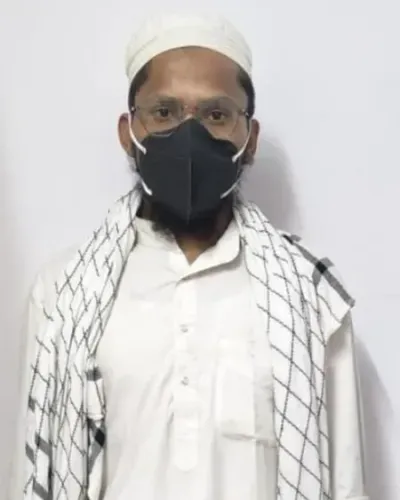
Mumbai, March 8 (NationPress) The Maharashtra Anti-Terrorism Squad (ATS) has taken two additional suspects into custody for interrogation as part of their ongoing inquiry into a 21-year-old engineering student who was previously arrested for purported connections to extremist groups, as confirmed by officials on Sunday.
The student, Ayan Yusuf Sheikh, who is pursuing a degree in computer science engineering, was apprehended by the ATS for his alleged involvement with the Pakistan-based terrorist organization Jaish-e-Mohammed and the globally recognized extremist group Islamic State of Iraq and Syria. He remains in ATS custody until March 9, as investigators delve deeper into his actions and digital communications.
Officials have indicated that the investigation has unveiled Sheikh's possible indoctrination by extremist and hate-fueled materials disseminated within encrypted groups on the messaging service Telegram. Authorities suspect that such content has been instrumental in his radicalization over the last several months.
During questioning, Sheikh reportedly informed investigators that the Telegram channels acted as platforms for dialogue, where participants expressed their views on what they termed as "injustices against Muslims." He stated that these groups were also utilized to discuss strategies for "protecting the community," according to sources within the ATS.
Investigators revealed that Sheikh had been actively engaging with these encrypted Telegram groups for approximately six to seven months. These channels reportedly included participants from various nations, including individuals believed to be operating from Pakistan under aliases or anonymous profiles.
Officials noted that some members of these channels are suspected to have ties to Jaish-e-Mohammed. Investigators affirmed that operatives connected to this organization have previously been tracked by security agencies for their efforts in proliferating propaganda online through multiple identities. Furthermore, it has been established that these groups have historically circulated content aimed at fostering narratives of victimization among Muslim communities globally.
The ATS highlighted that the shared materials within these channels encompassed videos related to political unrest in areas like Kashmir, audio clips referencing historical militant figures, and posts underscoring alleged discrimination against Muslim communities across various regions, including India, Myanmar, several European nations, the United States, and Palestine.
Officials characterized this exposure pattern as part of what they term a "hate crime brainwashing model," wherein emotional appeals rooted in religious identity are leveraged to attract and influence online participants, potentially inciting extremist actions offline.
According to investigators, these Telegram groups also functioned as venues for members to deliberate on alleged hate crimes and to contemplate potential responses. Authorities stated that participants frequently exchanged perspectives on how communities should address such incidents and what measures should be implemented to safeguard their groups.
While specific details regarding the channels have not been disclosed, officials confirmed that Sheikh was an active participant in these discussions and often reacted vehemently to topics related to punitive and retaliatory measures. Some posts circulating within these groups asserted that Jaish was acting in defense of Muslims on a global scale, thereby reinforcing the ideological messages propagated within these channels.
During his interrogation, Sheikh acknowledged that the content was typically disseminated in incremental portions, such as brief video clips or motivational posts. Gradually, he became more involved in the groups, interacting with other members who held similar viewpoints.
He also admitted to sharing some of the content with friends through private messages, initially driven by curiosity, but later as a result of repeated exposure to the material. Investigators noted that Sheikh now understands that his participation in these discussions linked him to a broader online network that authorities classify as extremist.
Frequently Asked Questions
What led to the arrest of Ayan Yusuf Sheikh?
Ayan Yusuf Sheikh was arrested by the Maharashtra ATS for his alleged links to extremist organizations, namely Jaish-e-Mohammed and ISIS, following a broader investigation into online radicalization.
How did the authorities determine Sheikh's radicalization?
Investigators found that Sheikh was influenced by extremist content shared on encrypted Telegram groups, which he actively participated in for several months.
What types of content were shared in the Telegram groups?
The content included videos of political conflicts, audio recordings of militant figures, and posts about perceived persecution of Muslims, aimed at fostering narratives of victimhood.
What is the significance of the ATS's actions?
The ATS's investigation highlights the urgent need to address online radicalization and the potential threats it poses to national security.
Are there more individuals involved in this case?
Yes, two additional suspects have been detained as the investigation continues to uncover the extent of the network connected to Sheikh.