Jaishankar joins Diplomatic Corps for Yoga Day in Delhi
Synopsis
Union External Affairs Minister Dr. S. Jaishankar joined New Delhi's Diplomatic Corps on 21 June 2026 for International Day of Yoga, invoking PM Modi's call to embed yoga across generations. The event reflects India's decade-long use of yoga as a soft-power and cultural diplomacy tool.
Key Takeaways
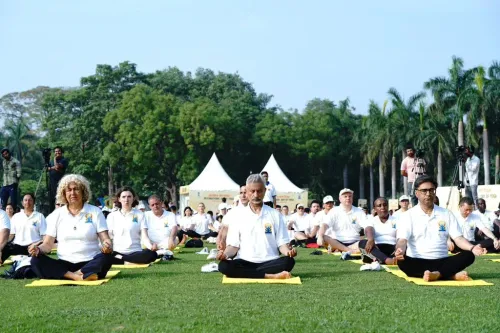
Jaishankar joined the Diplomatic Corps in New Delhi on 21 June 2026 to mark the International Day of Yoga .
PM Narendra Modi first proposed the International Day of Yoga at the UN General Assembly in September 2014 ; the UN adopted Resolution 69/131 unanimously that year.
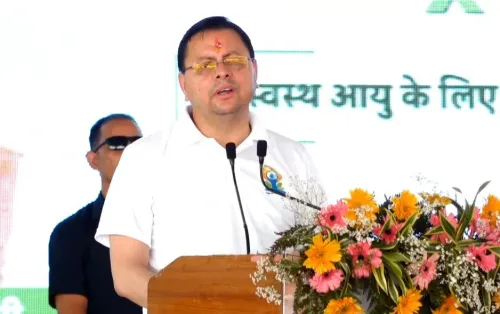
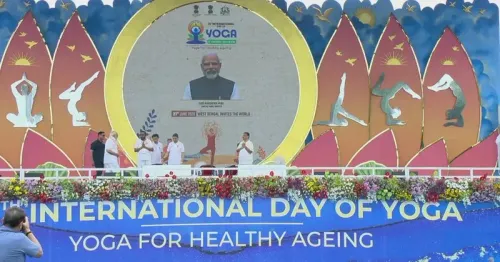
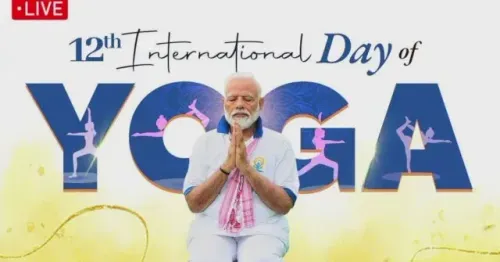
The 2026 theme — #YogaforHealthyAgeing — links traditional wellness practice to contemporary public health concerns around ageing populations.
India's Ministry of External Affairs uses the annual observance to engage the Diplomatic Corps in New Delhi alongside Indian missions worldwide.
The event is part of a broader pattern of India deploying yoga as a soft-power and cultural diplomacy instrument in its foreign policy outreach.
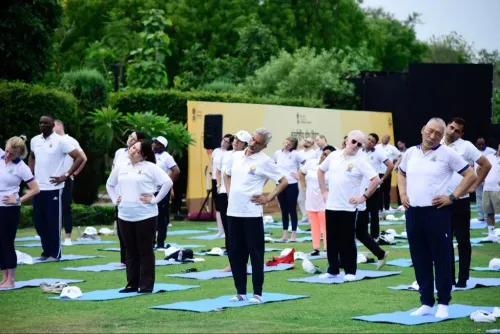
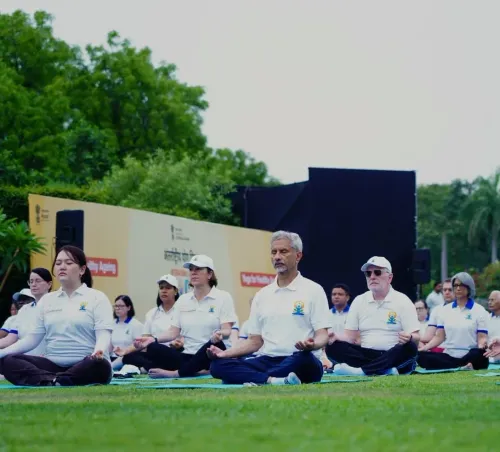
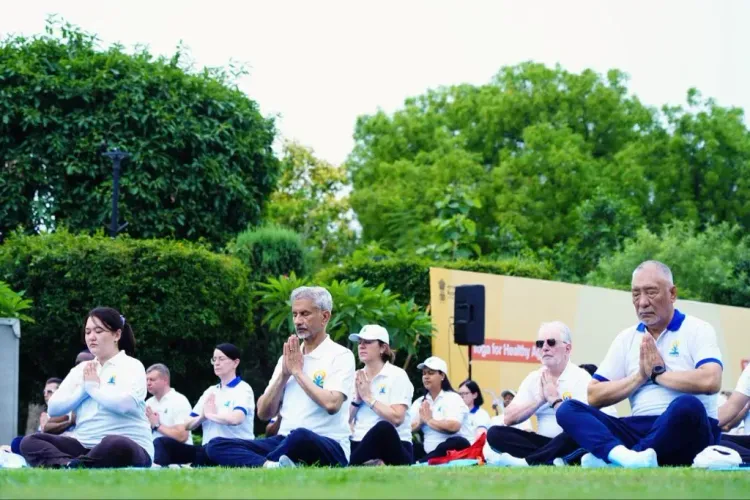
Union External Affairs Minister Dr. S. Jaishankar joined members of the Diplomatic Corps in New Delhi on 21 June 2026 to mark the International Day of Yoga, underscoring India's continued use of the annual observance as a platform for cultural diplomacy. Invoking Prime Minister Narendra Modi's call to integrate yoga into everyday life, Jaishankar urged that the practice be made 'a part of our lives, part of our families, and a part of our coming generations.'
Context
The International Day of Yoga is observed every year on 21 June, following a landmark initiative by Prime Minister Narendra Modi, who first proposed the observance at the UN General Assembly in September 2014. The United Nations adopted Resolution 69/131 that same year, with unanimous support, establishing the annual global commemoration. The day has since grown into one of the most widely observed UN-backed cultural events, with Indian missions worldwide coordinating celebrations in tandem with the home ministry.
For the Ministry of External Affairs, the day carries particular significance: it brings together the foreign ambassadors and mission personnel accredited to New Delhi under one roof, signalling the breadth of diplomatic engagement around India's cultural heritage. Dr. Jaishankar's participation alongside the Diplomatic Corps reflects the ministry's consistent positioning of yoga as a bridge between India and the international community.
Policy Backdrop
India has systematically woven yoga into its foreign policy outreach over the past decade. Indian embassies and high commissions across the world hold yoga sessions on 21 June each year, often in landmark public spaces, drawing local participants alongside members of the Indian diaspora. The theme for the 2026 observance — #YogaforHealthyAgeing — aligns with growing multilateral interest in traditional wellness practices as tools for addressing ageing populations and non-communicable diseases.
The broader pattern places yoga within India's soft-power architecture alongside initiatives in Ayurveda, classical arts, and the International Solar Alliance. By hosting the Diplomatic Corps at the New Delhi event, the Ministry of External Affairs signals that yoga diplomacy operates not just through overseas missions but also at the highest levels of bilateral engagement within India itself.
Stakeholders and Impact
The primary audience for this event is the Diplomatic Corps — heads of mission and senior embassy staff from countries that maintain diplomatic relations with India. Their participation carries symbolic weight, indicating a degree of goodwill toward India's cultural initiatives that can complement formal bilateral ties. Yoga practitioners and wellness communities in India and abroad also benefit from the visibility that high-level governmental endorsement provides.
The #YogaforHealthyAgeing theme resonates with public health stakeholders, connecting traditional practice to contemporary concerns about longevity and preventive healthcare. As multilateral bodies including the World Health Organization increasingly acknowledge traditional medicine systems, India's diplomatic framing of yoga within a health-ageing narrative positions the country at the intersection of cultural heritage and global wellness policy.
What's Next
Attention will now turn to the scale and geographic spread of yoga events hosted by Indian missions abroad in the days following 21 June 2026, which typically serve as indicators of the diplomatic footprint the observance has achieved. Any references to yoga or traditional medicine in upcoming multilateral health forums — including those under the UN or WHO — will be watched as a measure of whether India's sustained advocacy is translating into formal international frameworks. The annual event also sets the tone for how India's cultural diplomacy narrative evolves through the remainder of the diplomatic calendar year.
Point of View
Not a ceremonial aside. By placing foreign ambassadors at the centre of a domestic observance, the Ministry of External Affairs reinforces the message that yoga is a shared global heritage with Indian origins — a framing that has grown more sophisticated since PM Modi's 2014 UN proposal. The #YogaforHealthyAgeing theme is a calculated pivot, connecting ancient practice to a multilateral public-health agenda and giving India a normative stake in global wellness governance. If this framing gains traction in WHO or UN forums, it could deepen India's influence in traditional medicine diplomacy well beyond the annual 21 June moment.
NationPress
19 Sept 2026
Frequently Asked Questions
Why did Jaishankar celebrate Yoga Day with the Diplomatic Corps?
Dr. S. Jaishankar hosted foreign ambassadors and mission staff accredited to New Delhi as part of the Ministry of External Affairs' annual International Day of Yoga event, using the occasion to demonstrate diplomatic goodwill and reinforce India's soft-power outreach through yoga.
When was the International Day of Yoga established and who proposed it?
The International Day of Yoga was established by UN General Assembly Resolution 69/131 in 2014 , following a proposal by Prime Minister Narendra Modi at the UN General Assembly in September 2014 .
What is the theme of International Day of Yoga 2026?
The theme for International Day of Yoga 2026 is 'Yoga for Healthy Ageing' , linking traditional wellness practice to contemporary public health concerns about ageing populations.
How does India use the International Day of Yoga for diplomacy?
India's Ministry of External Affairs coordinates yoga events at Indian missions worldwide on 21 June each year, engaging local communities, diaspora groups, and foreign dignitaries to project cultural soft power and link heritage with global wellness themes.
What did PM Modi say about yoga that Jaishankar referenced?
Jaishankar cited PM Modi 's call to make yoga 'a part of our lives, part of our families, and a part of our coming generations,' framing the practice as a multigenerational wellness tradition rather than a one-day observance.