Jaishankar Congratulates Dr. Bimal Patel on UNCLOS Election
Synopsis
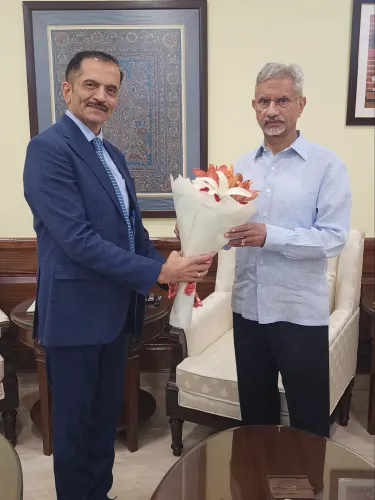
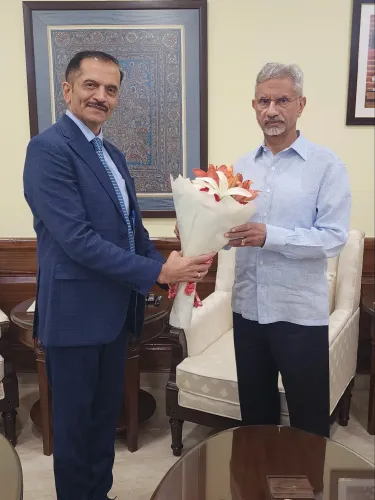
External Affairs Minister Dr. S. Jaishankar congratulated Indian international lawyer Dr. Bimal Patel on his election to a UNCLOS body on June 19, 2026, thanking member states for their support — a win for India's multilateral maritime diplomacy.
Key Takeaways
Jaishankar publicly congratulated Dr.
Bimal Patel on his election to a UNCLOS subsidiary body on June 19, 2026 .
Bimal Patel is a leading Indian academic and international lawyer specialising in the law of the sea.
India ratified UNCLOS in 1995 and has since actively sought representation in the treaty's governance institutions.
The election reflects India's strategic push to shape ocean governance and protect its maritime interests in the Indian Ocean Region .
Jaishankar explicitly thanked UNCLOS member states , signalling active diplomatic lobbying by New Delhi ahead of the vote.
The outcome has implications for India's extended continental shelf claims and broader multilateral legal strategy.
Union External Affairs Minister Dr. S. Jaishankar on Friday, June 19, 2026 congratulated Indian international lawyer Dr. Bimal Patel on his election to a body under the United Nations Convention on the Law of the Sea (UNCLOS), and extended gratitude to UNCLOS member states for their support to India's candidate.
Context
In a post on X, Dr. Jaishankar wrote: 'Congratulations Dr. Bimal Patel! Sincerely thank UNCLOS member states for their support.' The brief but pointed message signals that Dr. Patel secured a seat in one of the treaty's subsidiary bodies following a vote among member states, with India actively lobbying for his candidacy.
Dr. Bimal Patel is a distinguished Indian academic and international lawyer with deep expertise in the law of the sea. He has been associated with leading legal institutions in India, including Gujarat National Law University, and is widely regarded as one of the country's foremost voices on maritime legal affairs.
Policy Backdrop
India ratified UNCLOS in 1995 and has since been an active participant in the treaty's governance structures, including Meetings of States Parties that elect members to bodies such as the Commission on the Limits of the Continental Shelf (CLCS). Securing representation in such bodies is central to India's ability to advance its extended continental shelf claims and broader maritime interests in the Indian Ocean Region.
Over the past three decades, India has pursued a deliberate strategy of fielding credible candidates for multilateral legal and technical bodies, consistent with its wider approach of shaping international rule-making from within. Elections to UNCLOS institutions are contested affairs, making the support of member states diplomatically significant.
Stakeholders and Impact
The election carries implications for India's standing in ocean governance. A seat in a key UNCLOS body gives India a direct voice in deliberations over maritime boundaries, seabed resources, and dispute settlement frameworks — issues of growing strategic importance as competition over Indian Ocean resources intensifies.
International legal experts and maritime policy officials across the region will watch Dr. Patel's tenure closely. His election also reinforces India's broader diplomatic posture of engaging multilateral institutions to protect its sovereign maritime rights and to contribute to the evolution of international law.
What's Next
Attention will now turn to the next Meeting of UNCLOS States Parties and the substantive work of the body to which Dr. Patel has been elected, particularly any proceedings related to continental shelf delimitation or maritime boundary matters that bear on India's interests. Dr. Jaishankar's public acknowledgement of member-state support also signals that New Delhi will continue investing diplomatic capital in securing representation across multilateral legal institutions — a trend likely to intensify as India positions itself as a leading voice in global governance ahead of its broader foreign policy ambitions.
Point of View
With the External Affairs Ministry's full weight behind the candidacy. The explicit thanks to member states suggests a coordinated lobbying effort, consistent with New Delhi's broader strategy of translating its growing diplomatic footprint into concrete multilateral influence. Representation in UNCLOS institutions directly supports India's extended continental shelf submissions and its ambition to be a rule-shaper — not merely a rule-taker — in global ocean governance. This election fits a clear pattern of India fielding high-calibre legal and technical experts for international bodies as an instrument of foreign policy.
NationPress
19 Sept 2026
Frequently Asked Questions
Who is Dr. Bimal Patel and why was he elected to UNCLOS?
Dr. Bimal Patel is a prominent Indian academic and international lawyer specialising in the law of the sea, associated with institutions such as Gujarat National Law University. He was elected to a body under UNCLOS — the United Nations Convention on the Law of the Sea — with India securing support from member states for his candidacy, as announced by EAM Dr. S. Jaishankar on June 19, 2026.
What is UNCLOS and why does it matter for India?
UNCLOS, the United Nations Convention on the Law of the Sea, is the primary international treaty governing maritime boundaries, ocean resources, and dispute settlement. India ratified it in 1995 and relies on its frameworks to advance its extended continental shelf claims and protect its maritime interests in the Indian Ocean Region.
What did Jaishankar say about Dr. Bimal Patel's UNCLOS election?
EAM Dr. S. Jaishankar posted on X: 'Congratulations Dr. Bimal Patel! Sincerely thank UNCLOS member states for their support.' The message confirmed Dr. Patel's successful election and acknowledged the diplomatic support extended by member states to India's candidate.
What UNCLOS body was Dr. Bimal Patel elected to?
The specific UNCLOS subsidiary body to which Dr. Bimal Patel was elected has not been officially confirmed in publicly available records at the time of reporting. UNCLOS institutions include bodies such as the Commission on the Limits of the Continental Shelf, among others.
How does India benefit from representation in UNCLOS bodies?
Representation in UNCLOS bodies gives India a direct voice in shaping international maritime law, including rules on continental shelf limits and seabed resource rights. It supports India's sovereign claims in the Indian Ocean and advances its broader goal of being an active participant in global governance frameworks.