Jaishankar Meets South Korea FM Cho Hyun in Seoul
Synopsis
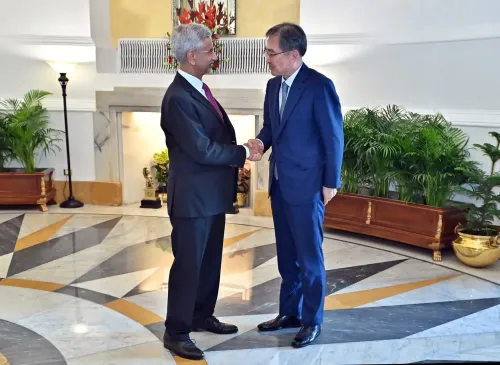
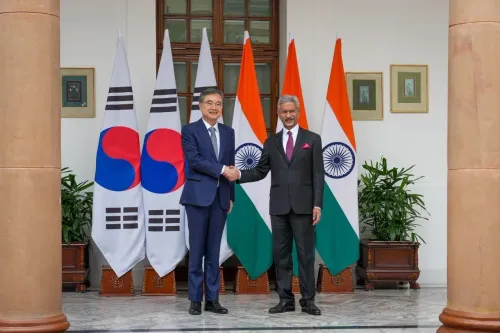
Union External Affairs Minister Dr. S. Jaishankar met South Korea Foreign Minister Cho Hyun in Seoul on 24 June 2026, reinforcing India's Special Strategic Partnership with the Republic of Korea under the Act East Policy. The bilateral meeting covered trade, defence and technology cooperation between the two nations.
Key Takeaways
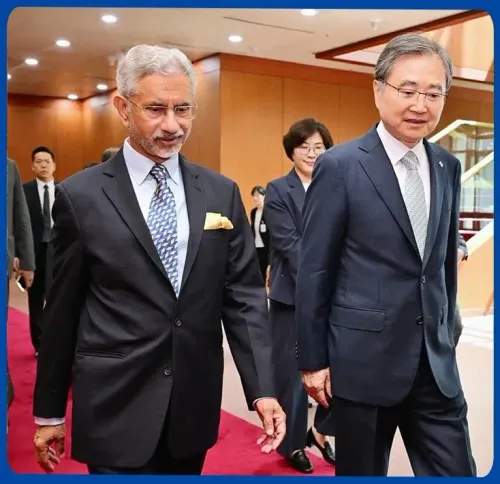
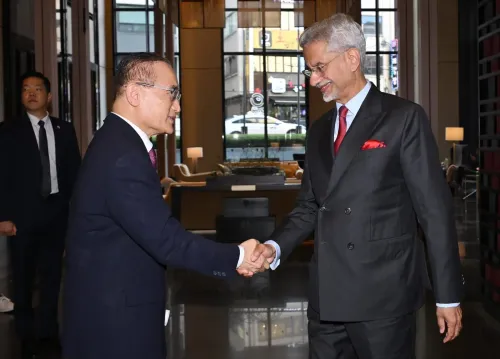
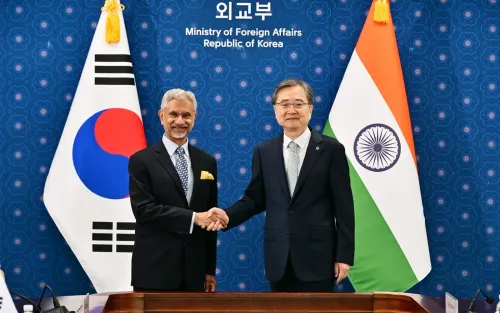
Jaishankar met Republic of Korea FM Cho Hyun in Seoul on 24 June 2026 .
India and South Korea share a Special Strategic Partnership established in 2015 .
The two nations signed the Comprehensive Economic Partnership Agreement (CEPA) in 2009 .
The meeting is part of India's Act East Policy , prioritising Indo-Pacific middle-power partnerships.
Key sectors of bilateral focus include semiconductors, shipbuilding, automobiles and defence co-development .
Follow-up outcomes on new agreements and possible summit-level visits are expected.
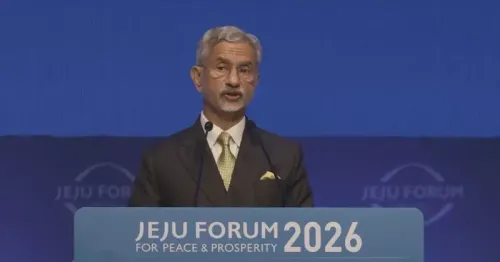
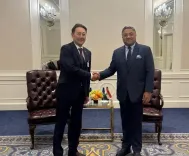
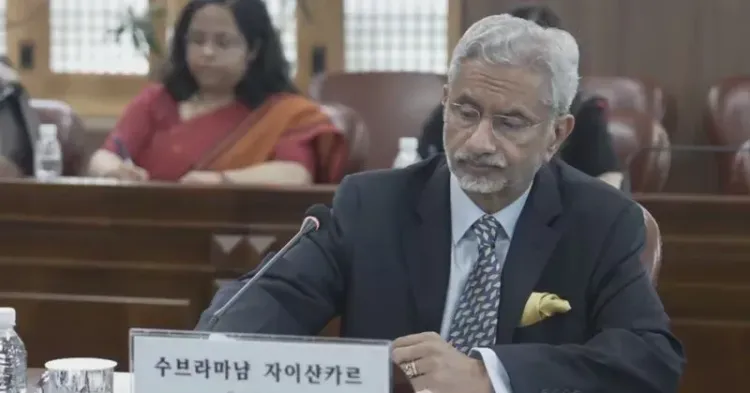
Union External Affairs Minister Dr. S. Jaishankar met Republic of Korea Foreign Minister Cho Hyun in Seoul on Wednesday, 24 June 2026, delivering opening remarks at the bilateral meeting between the two nations. The meeting marks a significant diplomatic engagement between India and South Korea under India's Act East Policy framework.
Context
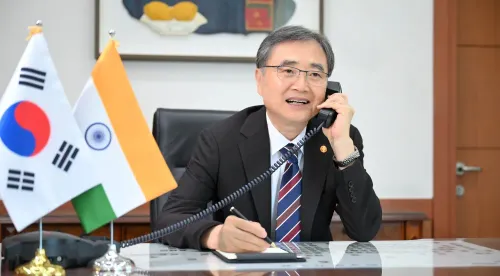
Dr. Jaishankar shared his opening remarks from the meeting with FM Cho Hyun of the Republic of Korea (RoK) directly on social media, signalling the high-profile nature of the engagement. The bilateral meeting in Seoul is part of India's sustained diplomatic outreach to key Indo-Pacific partners. Both nations have maintained robust ties anchored in trade, defence cooperation and technology exchange.
India and South Korea share a relationship that has deepened considerably over the past two decades. The two countries signed the Comprehensive Economic Partnership Agreement (CEPA) in 2009, laying a strong foundation for economic cooperation. Ties were further elevated to a Special Strategic Partnership in 2015, reflecting the growing strategic convergence between New Delhi and Seoul.
Policy Backdrop
India's engagement with South Korea sits firmly within the ambit of its Act East Policy, which prioritises deepening ties with East and Southeast Asian nations. South Korea is a critical node in India's strategy to diversify supply chains, particularly in sectors such as semiconductors, shipbuilding, automobiles and advanced manufacturing. These sectors represent areas where Korean industry holds global leadership and Indian demand continues to grow.
Bilateral meetings at the foreign minister level serve as important mechanisms to review the health of the Special Strategic Partnership and set the agenda for upcoming summits and multilateral engagements. The Indo-Pacific theatre, including forums such as the East Asia Summit, provides additional multilateral context to the India-South Korea relationship. India has consistently sought to complement its Quad and ASEAN engagements with robust bilateral ties with middle powers like South Korea.
Stakeholders and Impact
The meeting holds direct relevance for trade businesses, defence manufacturers and technology firms operating across both countries. Indian and Korean companies have increasingly explored co-development opportunities in defence platforms and critical technology supply chains. People-to-people exchanges, including student mobility and cultural ties, also form a consistent pillar of the bilateral agenda.
For Indian industry, South Korea represents a key partner in accessing advanced manufacturing know-how and capital investment. For Seoul, India's large and growing market, combined with its strategic geography, makes the partnership valuable from both economic and geopolitical standpoints. Both governments have an interest in ensuring the CEPA framework continues to deliver tangible commercial benefits.
What's Next
Diplomatic observers will watch closely for any announcements of new memoranda of understanding or joint statements emerging from the Seoul meeting. High-level visits and potential summit-level engagement — including on the sidelines of multilateral forums such as the East Asia Summit — could follow as a natural next step. The outcomes of Dr. Jaishankar's visit are expected to shape the trajectory of India-South Korea ties in the near term, particularly on the economic and technology cooperation fronts.
Point of View
A pattern consistent with the Act East Policy's evolution from trade-first to a broader strategic and technology partnership framework. The foreign minister-level meeting with FM Cho Hyun signals that both sides are investing political capital in the relationship ahead of potential summit-level engagements. For India, South Korea offers a template for defence co-development and semiconductor supply chain integration that aligns with New Delhi's broader industrial ambitions. The visit also reflects India's strategy of layering bilateral ties alongside multilateral commitments in the Quad and ASEAN architecture.
NationPress
22 Sept 2026
Frequently Asked Questions
Why did Jaishankar visit Seoul in June 2026?
Dr. S. Jaishankar visited Seoul on 24 June 2026 to meet Republic of Korea Foreign Minister Cho Hyun for bilateral talks covering trade, defence and technology cooperation under the India-South Korea Special Strategic Partnership.
What is the India-South Korea Special Strategic Partnership?
The Special Strategic Partnership is the framework under which India and South Korea elevated their bilateral ties during a 2015 summit meeting, deepening cooperation in trade, defence, technology and people-to-people exchanges.
What is the CEPA between India and South Korea?
The Comprehensive Economic Partnership Agreement (CEPA) signed in 2009 is the foundational trade agreement between India and the Republic of Korea, facilitating goods, services and investment flows between the two countries.
How does South Korea fit into India's Act East Policy?
South Korea is a key partner under India's Act East Policy, which prioritises engagement with East and Southeast Asian nations. Bilateral cooperation focuses on semiconductors, shipbuilding, automobiles and defence co-development.
What could be the outcomes of Jaishankar's Seoul meeting?
Diplomatic observers expect possible announcements of new memoranda of understanding, joint statements and the groundwork for high-level summit visits, including potential engagement on the sidelines of multilateral forums like the East Asia Summit.