Jal Jeevan Mission transforms Maidala village in Karnataka's Tumakuru district
Synopsis
In Maidala village in Karnataka's Tumakuru district, the Jal Jeevan Mission has ended a daily ritual of walking to open wells and carrying water home in heavy pots. Overhead tanks and household tap connections now deliver water directly, with residents describing the change as life-altering — a ground-level snapshot of what the Centre's flagship rural water scheme looks like when it reaches the last mile.
Key Takeaways
Maidala village in Tumakuru district, Karnataka , has received household tap connections under the Jal Jeevan Mission .
An overhead water tank and extensive pipeline network were built under Maidala Gram Panchayat in Urdigere Hobli .
Residents previously depended on two hand-operated borewells , open wells, and lakes for all daily water needs.
Beneficiary Pramila said tap access also eliminated the need to wash clothes at contaminated lakes and ponds.
The shift has reduced physical burden on villagers — a burden that historically fell most heavily on women.
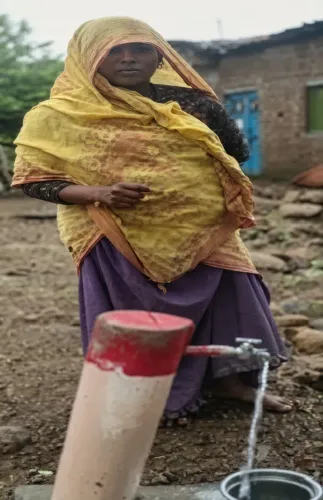
Residents of Maidala village in Tumakuru district, Karnataka, no longer walk long distances carrying heavy pots on their heads to fetch water. The Central Government's Jal Jeevan Mission has delivered household tap connections to this once water-stressed settlement in Urdigere Hobli, ending decades of dependence on open wells, hand-operated borewells, and lakes for daily water needs.
How the Infrastructure Was Built
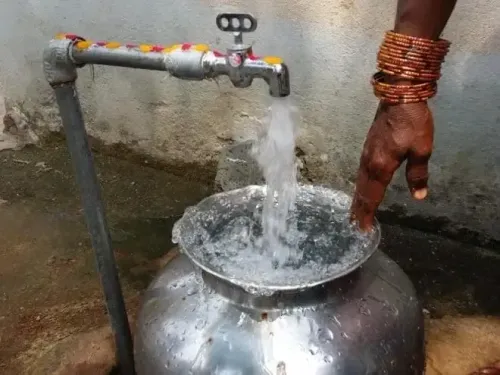
Under the scheme, Maidala Gram Panchayat received an overhead water tank and an extensive pipeline network connecting individual homes. The system delivers water directly to household taps — typically in the morning or evening — replacing the laborious manual-collection routines that had defined daily life, particularly for women in the village.
What Villagers Say
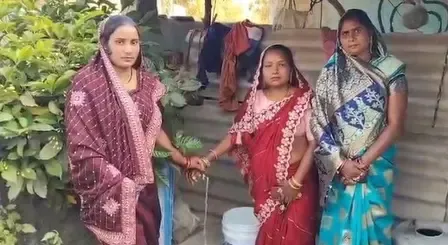
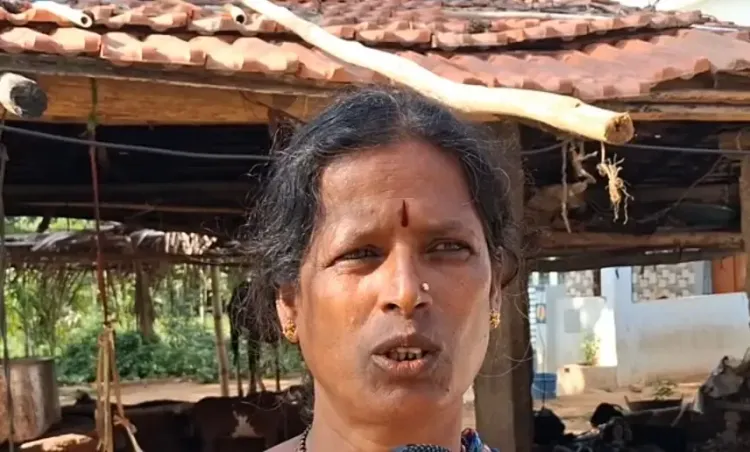
Beneficiary Pramila recalled the hardship before the scheme arrived. 'We had to go to open wells, carry heavy pots on our heads and bring water back home. Later, a water tank was installed, and subsequently, the Central Government introduced the Jal Jeevan Mission. Overhead tanks and household tap connections were provided, and now we receive water regularly, either in the morning or evening,' she said. She added that tap water had also eliminated the need to carry clothes to lakes and ponds for washing, where residents had previously relied on stagnant and often contaminated water.
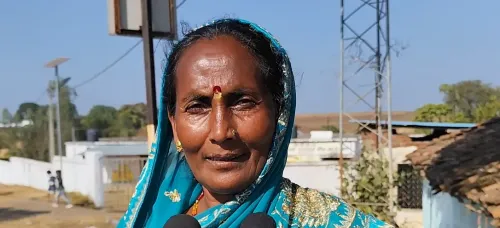
Resident Narasimhamurthy said the change had been transformative. 'Earlier, we depended on hand-operated borewells, lakes and open wells for our household water requirements. We had to fetch water manually. Now, pipelines have been laid, and water comes directly to our homes. We do not face the difficulties we experienced earlier,' he said.
Another villager, Nanjundamurthy, noted that the settlement had previously relied on just two hand-operated borewells and that residents now draw water directly from the overhead tank into household storage facilities.
Significance for Rural Karnataka
Maidala's experience illustrates a pattern the Jal Jeevan Mission aims to replicate across rural India — moving water access from the community periphery to the household level. The physical burden of water collection has historically fallen disproportionately on women, making tap connectivity a practical gender equity issue as much as a public health one. This comes amid a broader push by the Centre to achieve universal household tap coverage in rural areas.
What Happens Next
With the pipeline network and overhead tank now operational, the focus for Maidala Gram Panchayat shifts to maintaining water quality standards and ensuring uninterrupted supply — the next challenge for gram panchayats managing newly built rural water infrastructure across Karnataka and the rest of the country.
Point of View
But it is a revealing one — it shows the Jal Jeevan Mission delivering at the village level in a state where the Centre and the Karnataka government have not always been in political alignment on scheme implementation. The real test, however, is what comes after the tap is installed: water quality monitoring, maintenance of overhead tanks, and gram panchayat capacity to manage the infrastructure without it falling into disrepair. India has a history of rural water schemes that worked at launch and degraded within years. The Maidala story is worth telling precisely because the harder story — long-term upkeep — has yet to be written.
NationPress
16 Oct 2026
Frequently Asked Questions
What is the Jal Jeevan Mission?
The Jal Jeevan Mission is a Central Government flagship scheme aimed at providing safe and adequate tap water supply to every rural household in India through individual household tap connections. It was launched in 2019 with the goal of achieving universal coverage across rural India.
How has the Jal Jeevan Mission changed life in Maidala village?
Residents of Maidala village in Tumakuru, Karnataka, now receive piped water directly at home through household tap connections, ending the need to walk to open wells, borewells, or lakes to fetch water manually. Women in the village have also stopped carrying clothes to ponds for washing, as tap water is now available at home.
What infrastructure was built in Maidala under the scheme?
An overhead water tank and an extensive pipeline network were constructed under Maidala Gram Panchayat in Urdigere Hobli of Tumakuru taluk, enabling regular water supply to households either in the morning or evening.
Who are some of the beneficiaries in Maidala village?
Pramila, Narasimhamurthy, and Nanjundamurthy are among the named residents who described the impact of the scheme. All three highlighted the shift from manual water collection — from borewells, wells, and lakes — to direct household tap supply.
What challenges remain after tap connections are installed?
Maintaining water quality, ensuring uninterrupted supply, and managing infrastructure upkeep are the next challenges for gram panchayats like Maidala's. Rural water schemes in India have historically faced long-term sustainability issues after initial installation.