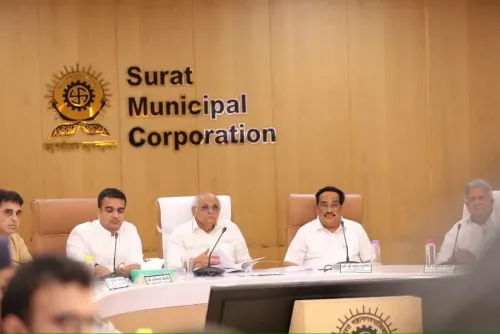
Jal Shakti Minister CR Paatil Visits Flood-Hit Surat Locality
Synopsis
Union Jal Shakti Minister C. R. Paatil visited the flood-hit Azad Nagar–Rasulabad locality on Bhatar Road in Surat on July 9, 2026, meeting affected families on the ground. The visit highlights the ministry's active monsoon-season engagement with flood-prone urban communities in Gujarat.
Key Takeaways
Paatil , Union Minister of Jal Shakti, personally visited the flood-affected Azad Nagar–Rasulabad area on Bhatar Road, Surat on July 9, 2026 .
The minister met directly with local families impacted by heavy monsoon rainfall, as documented in a video shared on X.
Surat is historically flood-prone, with localities near the Tapi river basin and expanding urban zones like Bhatar Road facing recurring inundation.
The Jal Shakti Ministry , established in May 2019 , holds the central mandate for water resources management and urban flood coordination.
As former Gujarat BJP state president , Paatil's visit bridges central ministry authority with direct state-level political and administrative networks.
Follow-up action on central assistance or drainage infrastructure upgrades for Surat is anticipated as the monsoon season continues.
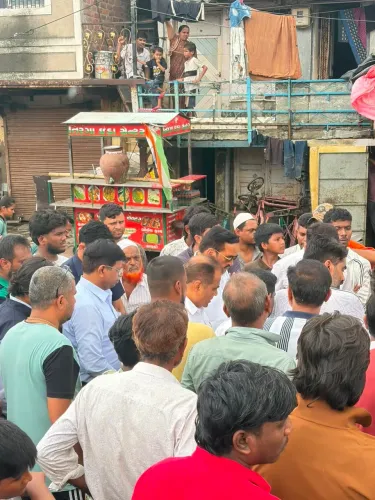
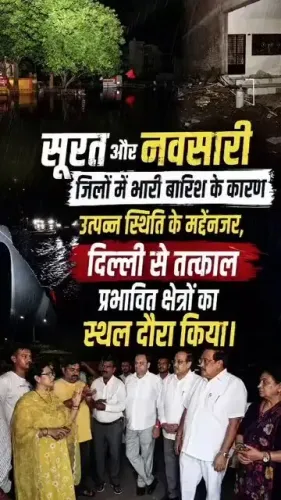
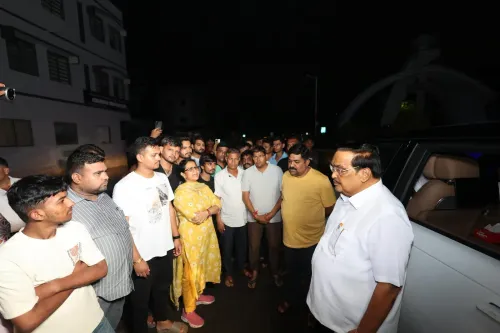
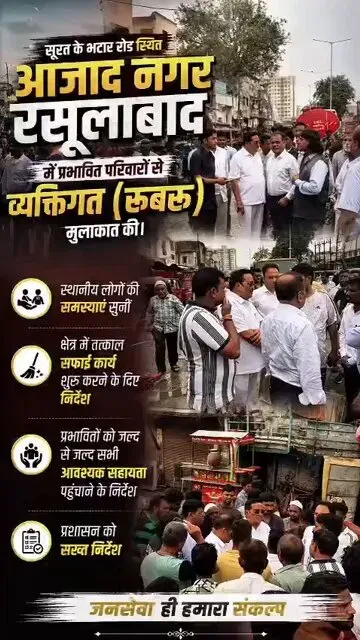
Union Jal Shakti Minister C. R. Paatil on Thursday, July 9, 2026, visited the flood-affected Azad Nagar–Rasulabad area near Bhatar Road in Surat, meeting directly with local families impacted by heavy monsoon rainfall. The minister shared a glimpse of the ground-level visit on X, underlining the human dimension of the flooding crisis in one of Gujarat's largest urban centres.
Context
Paatil posted in Gujarati, writing: 'સુરતમાં ભારે વરસાદથી અસરગ્રસ્ત ભટાર રોડ સ્થિત આઝાદ નગર–રસુલાબાદ વિસ્તારની મુલાકાત લઈને સ્થાનિક પરિવારો સાથે રૂબરૂ મુલાકાત લીધી' — ('Visited the heavy-rain-affected Azad Nagar–Rasulabad area on Bhatar Road in Surat and met face-to-face with local families'). The post was accompanied by a video documenting the visit, offering residents a direct window into the minister's on-ground engagement.
Surat is historically vulnerable to intense monsoon flooding, with low-lying localities along and around the Tapi river basin among the most frequently inundated. Urban expansion in areas such as Bhatar Road has compounded drainage stress during peak rainfall months.
Policy Backdrop
The Jal Shakti Ministry, created in May 2019, consolidated water resources management under a single portfolio, including coordination on urban flood mitigation and river basin planning. Under this framework, the ministry works alongside state governments and urban local bodies to align central resources with on-ground flood response.
The National Disaster Management Act, 2005 provides the overarching legal structure for state and central agencies to respond to monsoon-induced flooding, including relief, rehabilitation, and longer-term infrastructure upgrades. Ministerial ground visits are a recognised step in activating coordinated response under these guidelines.
Stakeholders and Impact
The Azad Nagar–Rasulabad neighbourhood on Bhatar Road is a densely populated residential locality whose families bore the immediate brunt of the heavy rainfall. Urban local bodies in Surat are the first-line responders responsible for drainage clearance, temporary shelter, and relief distribution.
As a senior BJP leader and former Gujarat BJP state president, Paatil carries both administrative authority as a Union minister and political familiarity with the state's governance machinery — a combination that typically facilitates faster coordination between central and state channels during emergencies. His direct interaction with affected families signals an intent to assess needs beyond official briefings.
What's Next
Attention will now turn to whether the visit translates into formal announcements — such as central assistance packages, expedited drainage infrastructure upgrades for Surat, or directives to the Gujarat government under integrated flood management guidelines. The monsoon season typically intensifies through July and August, keeping flood-prone localities in Surat at continued risk.
Observers will watch for follow-up action from the Jal Shakti Ministry and the Gujarat state administration, particularly any coordinated plans for long-term urban drainage improvements in localities like Azad Nagar–Rasulabad that face recurring inundation every monsoon cycle.
Point of View
Such visits serve a dual purpose: gathering direct field intelligence on urban drainage failures and signalling central government attentiveness ahead of potential relief announcements. The choice of a densely populated locality like Azad Nagar–Rasulabad — rather than a symbolic photo-op site — suggests an intent to engage with the granular human cost of urban flooding. Whether the visit catalyses concrete policy action, such as accelerated funding for Surat's drainage infrastructure, will be the real measure of its significance.
NationPress
9 Jul 2026
Frequently Asked Questions
Why did CR Paatil visit Surat on July 9 2026?
C. R. Paatil , Union Jal Shakti Minister, visited the flood-affected Azad Nagar–Rasulabad locality on Bhatar Road in Surat to meet families impacted by heavy monsoon rainfall and assess the situation on the ground.
Which area of Surat was flooded in July 2026?
The Azad Nagar–Rasulabad area near Bhatar Road in Surat was among the localities affected by heavy rainfall, prompting a ministerial visit on July 9, 2026 .
What is the Jal Shakti Ministry's role in flood management?
The Jal Shakti Ministry , created in May 2019 , oversees water resources management including coordination on urban flood mitigation and river basin planning, working alongside state governments and urban local bodies during monsoon emergencies.
Is Surat prone to flooding every monsoon?
Yes, Surat is historically vulnerable to monsoon flooding, particularly in low-lying areas near the Tapi river basin. Urban expansion has increased drainage stress, making localities like Bhatar Road susceptible to repeated inundation during heavy rainfall.
What action is expected after CR Paatil's Surat flood visit?
Observers are watching for announcements on central assistance packages or drainage infrastructure upgrades for Surat from the Jal Shakti Ministry and the Gujarat state government following the July 9 visit.