Jal Shakti Minister Paatil backs Modi's Nasha Mukta Bharat drive
Synopsis
Union Jal Shakti Minister C. R. Paatil backed PM Modi's Nasha Mukta Bharat Abhiyan on 2 August 2026, calling drug-free youth the strongest pillar of the Viksit Bharat@2047 vision. The campaign, launched on 15 August 2020, targets substance abuse through outreach and de-addiction facilities.
Key Takeaways
Paatil , Union Jal Shakti Minister and former Gujarat BJP president, publicly endorsed the Nasha Mukta Bharat campaign on 2 August 2026 .
He framed drug-free youth as the 'greatest strength' for achieving the Viksit Bharat@2047 vision.
The Nasha Mukt Bharat Abhiyan was launched on 15 August 2020 by the Ministry of Social Justice and Empowerment.
The campaign focuses on community outreach, counselling and rehabilitation, targeting youth in high-vulnerability districts.
The endorsement fits a broader BJP pattern of linking social reform initiatives to the Viksit Bharat national development narrative.
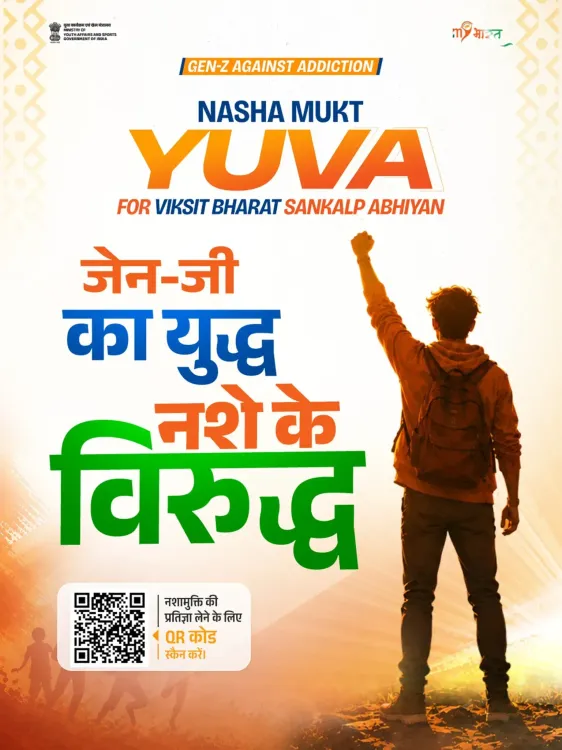
A drug-free generation, says Union Jal Shakti Minister C. R. Paatil, is the most powerful foundation India can lay for its future — and on 2 August 2026, he took to X to say exactly that, lending his voice to Prime Minister Narendra Modi's Nasha Mukta Bharat campaign.
In his post, Paatil wrote: 'माननीय प्रधानमंत्री श्री नरेंद्र मोदी जी का 'नशा मुक्त भारत' का संकल्प, विकसित भारत के निर्माण का एक सशक्त आधार है' — 'The resolve of Prime Minister Modi for a drug-free India is a strong foundation for building a developed India.' He added that the energy, talent and capability of drug-free youth would carry the Viksit Bharat vision to new heights.
What Nasha Mukt Bharat Abhiyan actually does
The Nasha Mukt Bharat Abhiyan was launched on 15 August 2020 by the Ministry of Social Justice and Empowerment. Its mandate: community outreach, counselling, and de-addiction rehabilitation — with a deliberate focus on Indian youth and districts identified as high-vulnerability zones for substance abuse. The campaign operates through a network of de-addiction centres and awareness drives reaching schools, colleges and gram sabhas.BJP's pattern of linking social reform to Viksit Bharat@2047
Paatil's endorsement is not an isolated gesture. Since 2014, the BJP-led government has consistently woven individual social campaigns — sanitation under Swachh Bharat, women's empowerment, skill development — into the single overarching frame of Viksit Bharat@2047, the goal of transforming India into a developed economy by the centenary of Independence. Cross-ministry amplification of such campaigns is a deliberate strategy to project unified governmental commitment beyond the lead ministry. As a senior BJP leader and former Gujarat BJP state president, Paatil carries organisational weight that makes his endorsement more than ceremonial — it signals the campaign's continued political salience at the Cabinet level.Point of View
Expanded de-addiction infrastructure — is the sharper question to watch.
NationPress
2 Aug 2026
Frequently Asked Questions
What is the Nasha Mukt Bharat Abhiyan?
The Nasha Mukt Bharat Abhiyan is a national anti-drug campaign launched on 15 August 2020 by India's Ministry of Social Justice and Empowerment, focused on community awareness, counselling and de-addiction rehabilitation, especially for youth.
What did C. R. Paatil say about Nasha Mukta Bharat?
C. R. Paatil said PM Modi's resolve for a drug-free India is a strong foundation for building a developed India, and that the energy and talent of drug-free youth will carry the Viksit Bharat vision to new heights.
What is Viksit Bharat 2047?
Viksit Bharat@2047 is the Indian government's overarching goal to transform India into a fully developed economy by 2047 , the centenary of Independence, spanning economic, social and governance reforms.
Who is C. R. Paatil?
C. R. Paatil is the Union Minister of Jal Shakti, a senior BJP leader, and a former president of the BJP's Gujarat state unit.
Which ministry runs the Nasha Mukt Bharat Abhiyan?
The campaign is run by the Ministry of Social Justice and Empowerment , though it receives cross-ministry support and political endorsements from Cabinet colleagues.