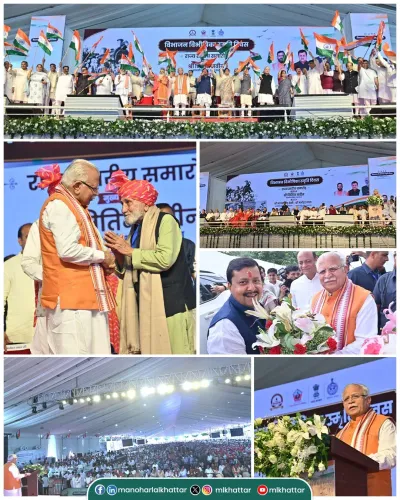
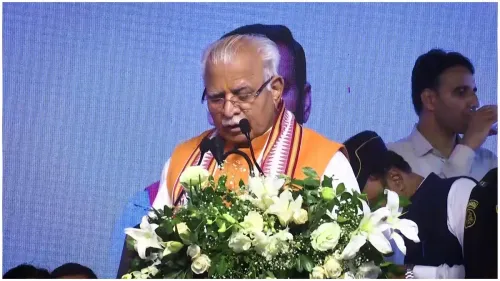
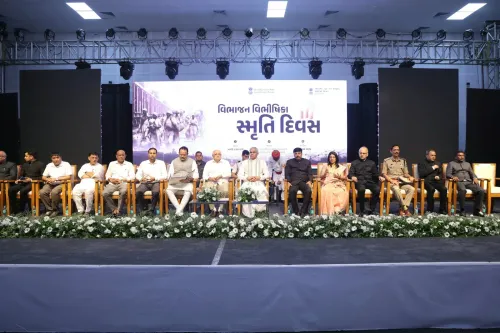
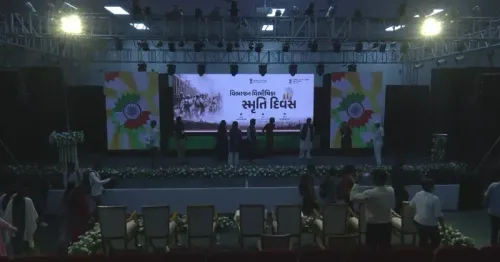
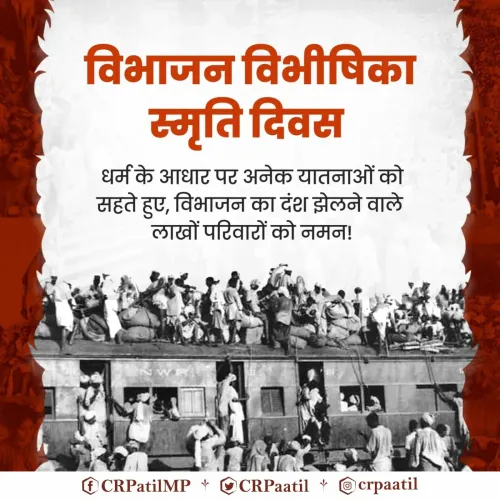
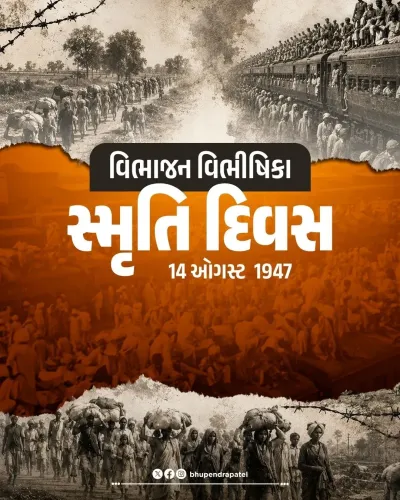
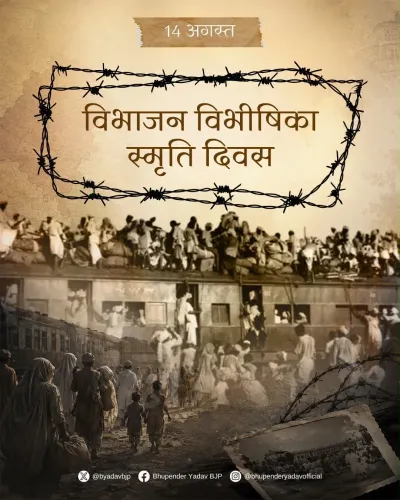
Jal Shakti Minister Paatil pays tribute at Navsari Partition Remembrance event
Synopsis
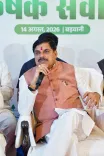
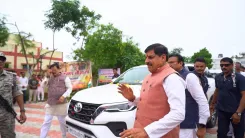
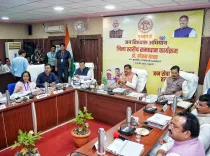
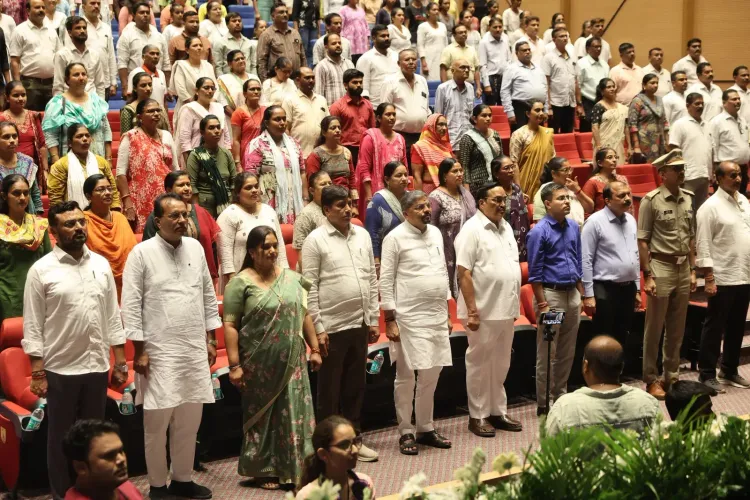
Union Jal Shakti Minister C. R. Paatil attended the Partition Horrors Remembrance Day programme in Navsari, Gujarat on 14 August 2026, paying tribute to millions who suffered displacement and death during the 1947 Partition, and calling for national unity as the truest homage.
Key Takeaways
Paatil , Union Minister of Jal Shakti, attended the Partition Horrors Remembrance Day event in Navsari, Gujarat on 14 August 2026 .
The event was jointly organised by the Navsari district administration and the Navsari Municipal Corporation .
14 August was declared Partition Horrors Remembrance Day by the Government of India in 2021 to honour the victims of the 1947 Partition.
The 1947 Partition triggered one of history's largest forced migrations, displacing an estimated 10–20 million people and causing mass violence.
Paatil called for commitment to a 'united, undivided, and strong India' as the true tribute to Partition's victims.
Gujarat absorbed large numbers of displaced communities post-1947, giving the observance particular resonance in the state.
On the eve of Independence Day, Union Jal Shakti Minister C. R. Paatil stood in solemn tribute at a remembrance programme in Navsari, Gujarat on 14 August 2026, bowing to the memory of millions who endured unspeakable suffering, displacement, and death during the 1947 Partition of India.
Organised jointly by the Navsari district administration and the Navsari Municipal Corporation, the event marked Partition Horrors Remembrance Day — the annual observance instituted by the Government of India in 2021 and held every year on 14 August to honour the human cost of Partition.
The grief that split a subcontinent
The Partition of 1947 remains one of history's largest forced migrations — an estimated 10 to 20 million people uprooted, entire communities erased, and mass violence that claimed hundreds of thousands of lives on both sides of the newly drawn border. Paatil, posting in Gujarati, called these 'unbearable torments' (asahya yaatnaao) and paid his respects to those who lost their lives, their homes, and their worlds in those weeks of chaos.
His message was unambiguous: the grief of Partition must translate into resolve. 'Taking a lesson from this sorrowful chapter of history and committing ourselves to building a united, undivided, and strong India — that is the true tribute to all those who endured the pain of Partition,' he wrote.
Why Navsari, and why 14 August
Gujarat was among the states that absorbed large numbers of displaced Sindhi and other communities after 1947, making the Partition's human imprint deeply personal across the region. Navsari, a historic district in southern Gujarat, has in recent years been among the local administrations holding parallel commemorative programmes on the designated day — part of a broader national pattern of district and state-level events that the Centre has encouraged since institutionalising the observance.
The 2021 declaration of 14 August as Partition Horrors Remembrance Day was a deliberate policy choice: to place the date — the day before Independence Day — as a moment of collective reckoning before the celebration. Paatil's attendance at the Navsari event reflects that institutional intent carried to the ground level.
Unity as the only fitting answer
Paatil closed his message with a call that echoed the spirit of the day: those painful memories, he said, must 'constantly remind us of the importance of national unity, integrity, and social harmony.' The kicker is written into the history itself — a nation that forgets the cost of division risks paying it again.
Point of View
The day serves a dual purpose: genuine commemoration of historical suffering and a recurring platform to reinforce themes of national integrity and the dangers of communal division. How the day evolves — whether it deepens into civic education or sharpens into political messaging — will define its long-term public meaning.
NationPress
15 Aug 2026
Frequently Asked Questions
What is Partition Horrors Remembrance Day?
Partition Horrors Remembrance Day is observed every year on 14 August to commemorate the suffering, displacement, and deaths of millions during the 1947 Partition of India . The Government of India officially declared it in 2021 .
Why is 14 August chosen for Partition Remembrance Day?
14 August — the day before India's Independence Day — was chosen to mark the human cost of Partition immediately before the celebration of freedom, linking grief and resolve in a single national moment.
What did C. R. Paatil say at the Navsari Partition Remembrance event?
Paatil paid tribute to those who suffered 'unbearable torments' during Partition and called for commitment to building a 'united, undivided, and strong India,' describing this as the true homage to Partition's victims.
Where was the Partition Horrors Remembrance Day event held in Gujarat?
The event was held in Navsari , Gujarat, organised jointly by the Navsari district administration and the Navsari Municipal Corporation on 14 August 2026 .
Who is C. R. Paatil?
C. R. Paatil is the Union Minister of Jal Shakti , a senior BJP leader, and former president of the BJP's Gujarat state unit.