J&K FDA bans 10 ghee brands: sub-standard, adulterated batches listed
Synopsis
J&K's food regulator has banned 10 ghee brands in one sweeping order after labs detected foreign vegetable fat, positive Baudouin tests, and abnormal fatty-acid profiles — signs of systematic adulteration. With samples collected from nine locations across the UT, this is not an isolated find but a territory-wide contamination alert that consumers and retailers need to act on immediately.
Key Takeaways
The J&K FDA on 30 August banned sale, storage, and distribution of 10 ghee brands and batches across the Union Territory.
Lab tests by the National Food Laboratory, Ghaziabad and the Food Testing Laboratory at Kashmir found foreign vegetable fat, positive Baudouin test results , and abnormal fatty-acid profiles.
Affected samples were sourced from 9 locations including Anantnag, Samba, Kathua, Jammu, and Pampore.
Food business operators must declare stock of prohibited batches to the Designated Officer within 48 hours .
Consumers are advised to verify brand, batch number, and packing date before purchasing ghee.
Affected FBOs retain the right to seek re-analysis at an FSSAI-notified Referral Laboratory .
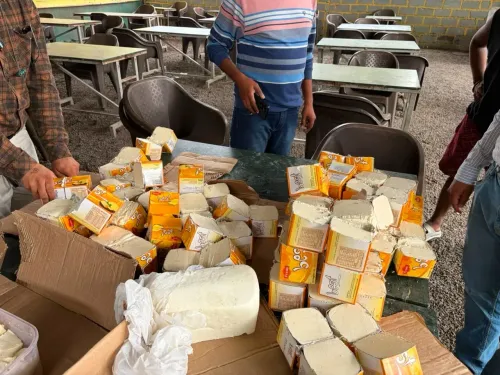
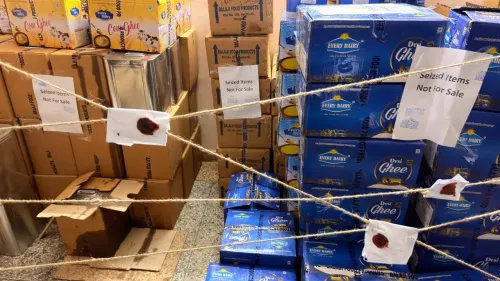
The Jammu and Kashmir Food and Drugs Administration (FDA) on Sunday, 30 August prohibited the sale, storage, distribution, and display of 10 brands and batches of ghee across the Union Territory after laboratory analysis found the products to be sub-standard, unsafe, and misbranded. The sweeping ban covers samples collected from multiple districts in both the Jammu and Kashmir divisions.
Brands and Batches Under the Ban
The prohibited products are Dairy Mohan Desi Ghee (Batch No. 5), Apna Dairy Milk Desi Ghee (Batch No. DM-6), Milk Bite Cow Ghee (Batch No. 137), Nandni Desi Ghee (Batch No. ND-28), Shahi Taj Desi Ghee (Batch No. 134), Daawat Fresh (Batch No. VT09), Nand Krishna Cow Ghee (Batch No. PC-05-26), Vandu Cow Ghee (Batch No. D143), Dairy Milk Desi Ghee (Batch No. OM12), and Mohan Dairy Ghee (Batch No. 6).
Samples were collected from Anantnag, Shangus, Larnoo, Bijbehara, Samba, Kathua, Jammu, Tral, and Pampore, indicating a wide geographic spread of non-compliant stock across the territory.
What the Lab Tests Found
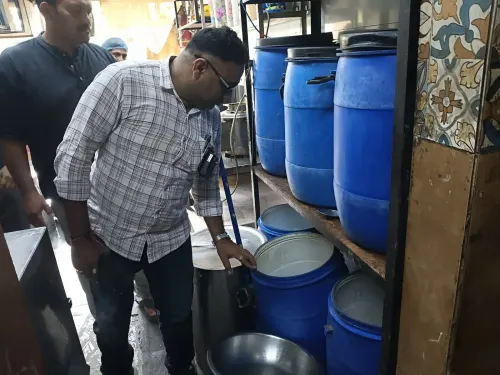
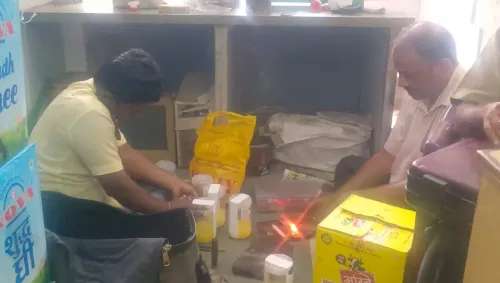
Laboratory examination was conducted by the Notified Food Analyst at the National Food Laboratory, Ghaziabad, and the Food Testing Laboratory at Kashmir, under the provisions of the Food Safety and Standards Act, 2006. Findings included the presence of beta-sitosterol and foreign vegetable fat, a positive Baudouin test — a standard indicator of adulteration with sesame oil — abnormal fatty-acid profiles, and deviations from prescribed physicochemical parameters.
Under applicable food safety standards, ghee must be derived exclusively from milk or milk products. Any ghee containing added matter not sourced from milk fat is not permitted for sale in India.
Directives to Businesses and Enforcement
The FDA has directed all food business operators (FBOs), wholesalers, distributors, and retailers to immediately halt the sale and distribution of the affected batches. Concerned FBOs have been asked to declare their stock position of the prohibited batches to the relevant Designated Officer within 48 hours.
Enforcement authorities have been instructed to maintain strict vigil and prevent further circulation of the banned products. The prohibition takes effect immediately across Jammu and Kashmir.
Consumer Advisory
The FDA has urged consumers to check the brand name, batch number, and date of packing before purchasing ghee. Any sighting of the prohibited batches in retail or wholesale outlets should be reported immediately to the nearest Food Safety authorities.
Notably, the FDA clarified that the prohibitory action is a precautionary public-health measure and does not bar affected FBOs from seeking re-analysis through an FSSAI-notified Referral Laboratory under the Food Safety and Standards Act, 2006. The regulator's next step will likely involve formal show-cause proceedings against the implicated brands.
Point of View
Nine collection points, two lab jurisdictions — signals a systemic supply-chain problem rather than a one-off lapse. Adulteration with foreign vegetable fat is a longstanding issue in the loose and small-brand ghee market, and the positive Baudouin tests suggest sesame-oil blending, a well-documented cost-cutting fraud. What is striking is that several of these batches were simultaneously in circulation across districts as geographically spread as Kathua and Pampore, raising questions about how they cleared earlier checks. The 48-hour stock-declaration window is tight and necessary, but enforcement will depend on whether the FDA has the field capacity to verify compliance — historically a weak link in UT-level food safety administration.
NationPress
15 Oct 2026
Frequently Asked Questions
Which ghee brands have been banned by the J&K FDA?
The J&K FDA has banned ten brands: Dairy Mohan Desi Ghee (Batch 5), Apna Dairy Milk Desi Ghee (Batch DM-6), Milk Bite Cow Ghee (Batch 137), Nandni Desi Ghee (Batch ND-28), Shahi Taj Desi Ghee (Batch 134), Daawat Fresh (Batch VT09), Nand Krishna Cow Ghee (Batch PC-05-26), Vandu Cow Ghee (Batch D143), Dairy Milk Desi Ghee (Batch OM12), and Mohan Dairy Ghee (Batch 6). The ban covers sale, storage, distribution, and display across Jammu and Kashmir with immediate effect.
Why were these ghee batches banned?
Laboratory analysis found the products to be sub-standard, unsafe, and misbranded. Specific findings included the presence of beta-sitosterol and foreign vegetable fat, a positive Baudouin test (indicating possible sesame-oil adulteration), abnormal fatty-acid profiles, and deviations from prescribed physicochemical parameters. Under Indian food safety law, ghee must be derived exclusively from milk or milk products.
What should retailers and distributors do now?
All food business operators, wholesalers, distributors, and retailers have been directed to immediately stop selling and distributing the affected batches. They must also declare their stock position of the prohibited products to the concerned Designated Officer within 48 hours of the order.
How can consumers protect themselves?
The J&K FDA has advised consumers to check the brand name, batch number, and date of packing before purchasing ghee. If any of the banned batches are found available for sale, consumers and retailers are urged to report it immediately to the nearest Food Safety authorities.
Can the affected companies challenge the ban?
Yes. The FDA has clarified that the ban is a precautionary public-health measure and does not affect the statutory right of concerned food business operators to seek re-analysis of their products through an FSSAI-notified Referral Laboratory, as provided under the Food Safety and Standards Act, 2006.